

What Are the Tools Shape Creative Learning
How can tools turn simple study into real creative learning? Every artist, designer, and thinker depends on structure. Tools are the systems that shape that structure, they organize ideas, create discipline, and transform curiosity into skill.
Creative learning is not only about collecting knowledge but about shaping how you use it. The right tools make that possible. They build bridges between inspiration and practice, letting each concept evolve into tangible progress.
Learning becomes more than routine when it’s supported by reliable tools and accessible resources. They guide how you think, how you apply, and how you grow, one project at a time.
Tools That Build a Creative Workspace
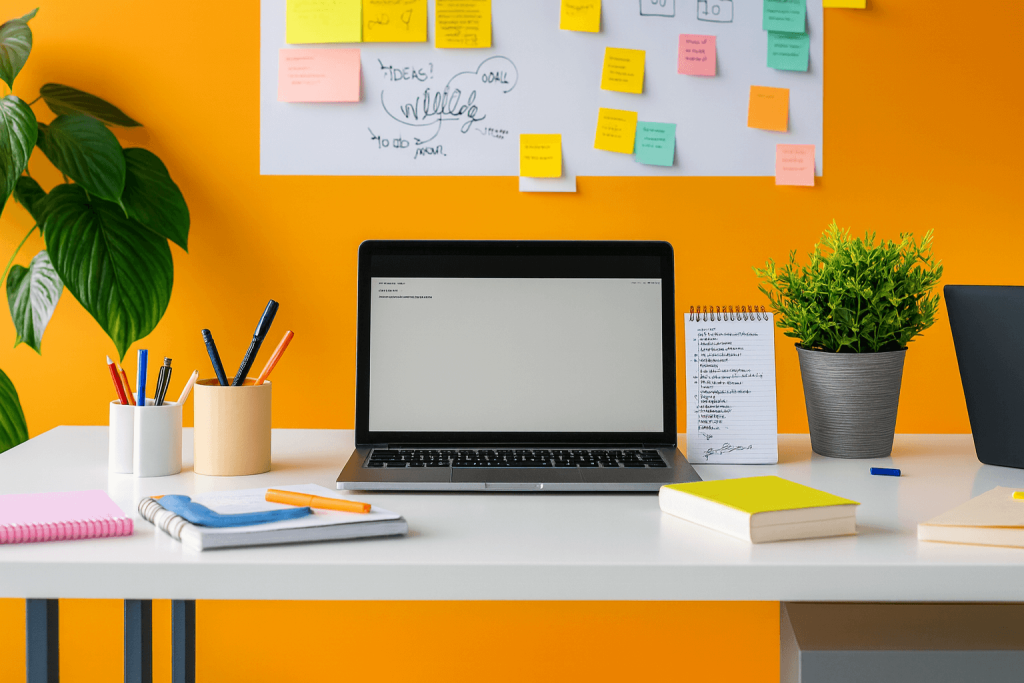
The first tool of creative learning is your environment. A structured workspace helps focus the mind and reduce distraction. A desk free of clutter, a comfortable chair, and warm lighting prepare you mentally for progress.
Add essential physical tools, notebooks for sketches, pencils for visual planning, and sticky notes for organizing thoughts. These simple materials encourage spontaneous creation and flexible thinking.
Digital setup matters too. A reliable laptop, stable internet, and backup storage are the foundations of every creative workflow. Visual learners might include drawing tablets or dual monitors for multitasking. Sound learners can add headphones to maintain focus.
Organizational tools such as digital calendars, project trackers, or time managers add rhythm to your process. When used daily, your environment becomes an active collaborator, one that reinforces discipline and supports your digital learning goals.
Digital Tools That Enhance Skill Development
Technology drives modern creativity. Digital tools turn abstract ideas into visible, interactive forms. These resources don’t just make creation easier, they teach process and structure.
Visual platforms support creative design by simplifying shape, color, and balance. Programs for image editing, layout modeling, and vector creation help learners understand design flow and alignment. Writing applications refine structure and tone, while collaborative platforms bring multiple ideas together in one space.
Online whiteboards and brainstorming tools help generate new concepts, while note apps organize them into workable plans. These tools sharpen thought processes and reduce creative fatigue by keeping everything in one system.
For branding, color palette generators and mockup builders make experimentation tangible. For content development, online editors encourage rhythm and clarity. Over time, using these tools builds professional awareness of detail, consistency, and audience impact.
Digital tools are more than platforms, they’re learning partners that shape discipline, confidence, and creativity through daily use.
Learning Resources That Broaden Perspective

While tools create structure, resources build insight. The world of online education provides abundant opportunities to learn at your own pace. Structured programs, online workshops, and virtual tutorials give creative learners direct access to techniques used by professionals.
Video platforms with guided lessons strengthen comprehension through visual demonstration. Interactive forums let learners share progress and receive feedback from peers. This exchange mirrors real collaboration, improving both skill and confidence.
Reading remains timeless. Books, research papers, and digital publications reveal creative methods that last beyond software updates. A creative learner who combines reading with practice gains both technical knowledge and critical thinking.
Podcasts and virtual lectures provide another perspective. Hearing professionals discuss user experience and creative problem-solving gives context to how theory meets application. These resources train observation and reinforce adaptability in fast-changing digital spaces.
How to Combine Tools for Lasting Growth

How do all these tools and resources come together? Creative learners often struggle with balance, too many tools lead to clutter, while too few limit exploration. The key is to integrate only what supports your goal.
Start by identifying your creative focus. A designer might blend drawing software with layout tools, while a writer might pair a text editor with idea management platforms. Simplicity builds mastery faster than abundance.
Reflect after each project. Ask yourself what tools felt natural, which were challenging, and why. This reflection creates awareness that leads to better decisions next time. Over time, you’ll find the ideal mix that keeps your work structured yet flexible.
Integration across disciplines adds strength. Understanding how marketing strategy, services, and design connect builds adaptability. Real creative learning happens when you can move between systems without losing clarity. This balance ensures long-term progress and makes your process sustainable.
Your Next Step in Creative Learning
So what are the tools that truly shape creative learning? They are the ones that build focus, translate imagination into structure, and connect theory with real work. Tools create the foundation, and resources expand it, together, they make growth sustainable.
Your next step is to choose the tools that serve your goals best. Start with the basics: a clear workspace, one reliable design platform, and a simple system for organization. Learn how each works before moving to the next. This sequence builds confidence and keeps you progressing at a steady pace.
Creative learning becomes powerful when guided by reflection. Each time you test a tool, you learn something about your process and your style. This insight leads to independence, the ability to learn, adapt, and create in any environment.
Growth never stops. Continue refining your toolkit as your ambitions expand. Let every program, book, or method push you to think wider and create deeper. In time, you’ll see that real professional growth comes not from the number of tools you use, but from how you use them to express purpose and precision.