


Digital Communities in the Modern Web
The digital landscape is now a collection of living communities. Every scroll, post, and shared story contributes to a continuous conversation happening online. Platforms that once focused on content now focus on connection. Social interaction has become an art form shaped by accessibility and design.
Through evolving social networks, users build spaces where identity meets technology. A comment, reaction, or shared memory holds the same value as face-to-face interaction. The internet has transformed into a shared ecosystem that thrives on authenticity and participation.
Behind this transformation lies intelligent web development, which connects people through seamless interfaces. Responsive layouts, fast-loading pages, and intuitive structures enable people to navigate social environments naturally. Technology becomes invisible, while interaction takes center stage.
Modern social design is no longer limited to communication alone. It builds trust, drives collaboration, and influences perception. The digital fabric now connects culture, creativity, and commerce in ways once impossible.

The Core Elements of Digital Connectivity
Every digital space relies on structure and flow. To create meaningful interaction, designers and developers must first understand how users move, think, and share. The core of every community lies not in algorithms, but in engagement.
Through advanced coding and creative frameworks, digital platforms become living ecosystems. Every notification, message, or image has a function designed to invite participation. What makes a platform thrive is its ability to balance simplicity with depth.
The presence of interactive content has changed how people express themselves. From live reactions to dynamic comment threads, the user experience becomes immersive rather than transactional. Visual consistency and easy navigation allow people to stay longer, connect deeper, and build trust naturally.
This growing landscape of connectivity shows how thoughtful design can bridge physical distance. The modern user seeks not just features, but emotion. A design that listens and responds can transform even the smallest platform into a global community hub.
How Design Shapes Engagement
Why do some communities thrive while others fade away? The answer lies in design. Every pixel, color, and font choice influences behavior. Good design simplifies interaction; great design amplifies it. The science of user engagement now defines the success of digital communities.
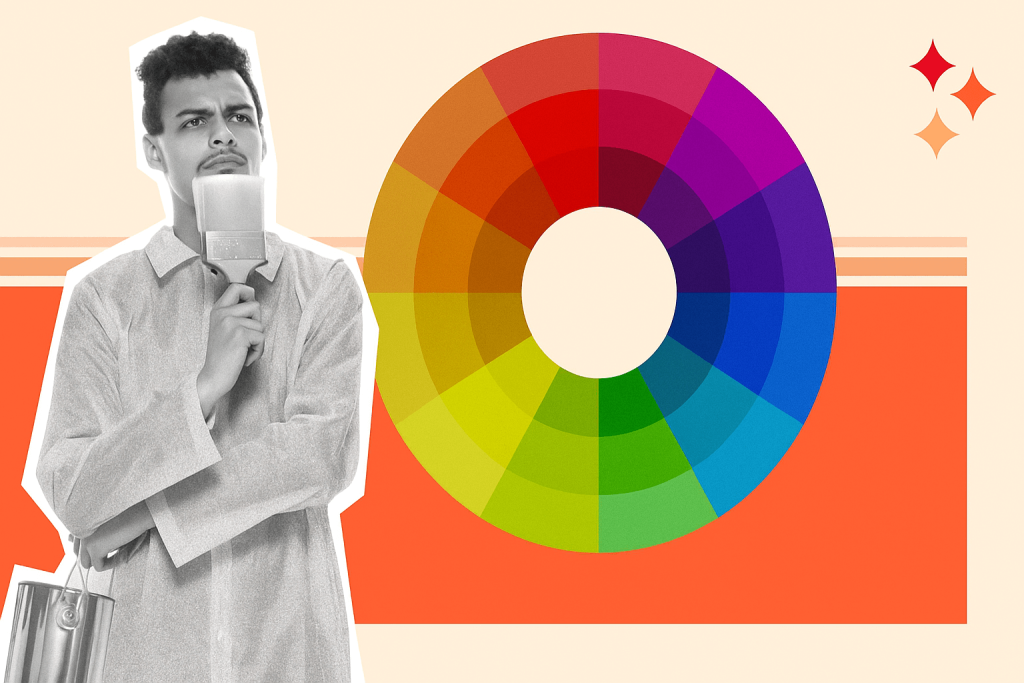
A brand’s online space must reflect clarity, tone, and rhythm. The right visual hierarchy guides the eye without confusion. Balanced typography ensures legibility while maintaining style. Through consistent updates, developers and marketers align visuals with user expectations.
The same principle applies to storytelling. Branding and marketing strategies rely on consistency to make people feel connected. When design and message move together, they shape loyalty. The most successful digital communities create emotional architecture, spaces that feel both personal and shared.
In today’s social economy, design does more than communicate; it empowers. The line between technology and humanity continues to blur, allowing people to interact, collaborate, and even create culture from a simple post or comment.
The Future of Interactive Spaces
The rise of interactive media has changed what it means to participate online. From short videos to real-time chat experiences, engagement is no longer static, it’s a dynamic exchange of creativity. The modern web invites every user to become both consumer and creator.

As digital platforms evolve, content becomes fluid. Users expect to customize their space, from themes to filters to AI-driven recommendations. These tools create a feeling of ownership that keeps them returning. Content creation transforms from a marketing function into a form of digital identity.
The integration of advanced Webdev200 technologies supports this evolution. Developers craft ecosystems that merge design and interaction seamlessly. Social media becomes less about broadcasting and more about belonging. Every button, transition, and animation works together to sustain movement and interest.
The future belongs to interactive storytelling. Brands, influencers, and communities will continue blending real life and online experiences. For businesses, this means that engagement strategies must evolve to meet emotional expectations, not just digital standards.
A Connected Vision for Digital Growth
The path ahead is one of collaboration, creativity, and connection. Businesses that understand the human side of technology will continue to thrive. Every message, image, and post holds potential to shape relationships and inspire participation.
Web-based communities are now extensions of identity. The power of design and technology merges to form ecosystems where people belong, not just browse. This intersection between purpose and participation defines the strength of modern networks.
Through strategic innovation, Webdev200 continues to support brands in building and evolving these experiences. From interactive features to cohesive identity systems, the goal is to make every connection matter. The modern web is no longer a platform, it’s a living conversation.
For those ready to elevate their digital presence, take the first step into the next era of connection. Reach out to create social environments that don’t just attract visitors but inspire belonging. Start shaping your brand’s digital community today.