


Design Vision within Evolving Digital Spaces
The future of digital design continues to shift as brands search for simpler and more grounded structures. Many teams want spaces that look clean yet still support strong identity. They also want shapes and layouts that guide users without pressure. Because these needs grow each year, the value of digital design trends becomes clear. These trends help brands understand where design is moving and how structure supports long-term goals.
Today, design exists in a space between art and function. It carries emotion through shape, color, and quiet structure. It also carries logic through spacing and flow. Although trends change, strong design always leans toward clarity. Modern brands now prefer soft lines, clean visuals, and balanced space. These choices allow ideas to stand out without noise. Since the web moves quickly, design must adapt while still protecting user comfort.
Design teams also work to improve connection between brand and user. While old websites often felt rigid, modern ones feel more fluid. Shapes adjust to screen sizes and user movement. Elements shift without breaking form. This improvement comes from better planning and better understanding of user behavior. Although simplicity seems easy to achieve, it actually requires thoughtful design insight.
Additionally, many brands want designs that support long-term growth. They want shapes that will not feel outdated in a year. They want layouts that can evolve without rebuilding entire systems. Because of this, the future shape of design often comes from the foundation rather than the surface. Clean grids, balanced spacing, and gentle motion guide everything else.
A strong example of this shift appears when exploring tools used in learning environments. For example, Webdev200 often teaches students how modern structure works beneath the surface. Although simple at first glance, each design choice sets the tone for future builds. Since many brands grow over time, flexible structure becomes essential.
Digital Presence Formed through Web Structure
The shape of a digital space often begins with its foundation. Strong structure makes room for creativity. It also makes room for users to move with ease. Because brands want digital spaces that feel natural, the importance of Web development continues to rise. The structure created during development becomes the core of user experience.

When development supports design, it creates a system that can grow. It gives shape to ideas and helps maintain balance even as new features appear. Many brands look for development solutions that allow fast updates and easy scaling. These choices help keep websites clear and functional as user needs change.
Additionally, development teams focus on performance. They want sites to load quickly and respond smoothly. They work with clean code and simple systems that support long-term use. Although users might not see this part of the process, they feel it through smoother interactions. Development becomes the invisible guide beneath every page.
Furthermore, the connection between design and development shapes the future of digital presence. When both elements work together, the result feels calm and intentional. This harmony supports brand identity and keeps the experience consistent. Brands with strong digital structure often stand out without even trying.
Because of this, development remains essential for shaping tomorrow’s digital designs. It protects the foundation, guides the flow, and supports evolving layouts.
User Depth Shaped through Interactive Layers
Design grows deeper when interaction enters the picture. Users want more than static visuals. They want movement that feels natural and helpful. Brands now invest in Interactive features that make the experience feel alive. These features include motion, subtle transitions, and layered responses. Although these elements seem small, they shape how users understand a site.
Interactive elements help tell the story of the brand. They show personality without overwhelming the user. However, the goal is not to add motion everywhere. Instead, it is to use interaction with intention. These moments must guide the user rather than distract them. When done well, they add depth and create a sense of presence.
Additionally, interactive design supports user flow. It shows where to click, where to scroll, and where to pause. These hints make the experience feel intuitive. They also reduce confusion, which improves engagement. Users appreciate clarity because it helps them explore without frustration.
As digital spaces continue to expand, interactive design will become even more essential. It shapes the future by adding connection between user and content. It also makes brand experiences memorable, even in simple moments.
Because interaction continues to influence digital presence, designers now focus on subtle motion that feels natural. This direction will likely continue shaping design trends in the coming years.
Identity Strength Formed through Brand Direction
Brands rely on design to communicate who they are. They need visuals that feel steady and familiar. They also need systems that work across platforms. This is where Branding and Marketing becomes important. It ties design together with identity and message. It shapes how users feel when they see the site.
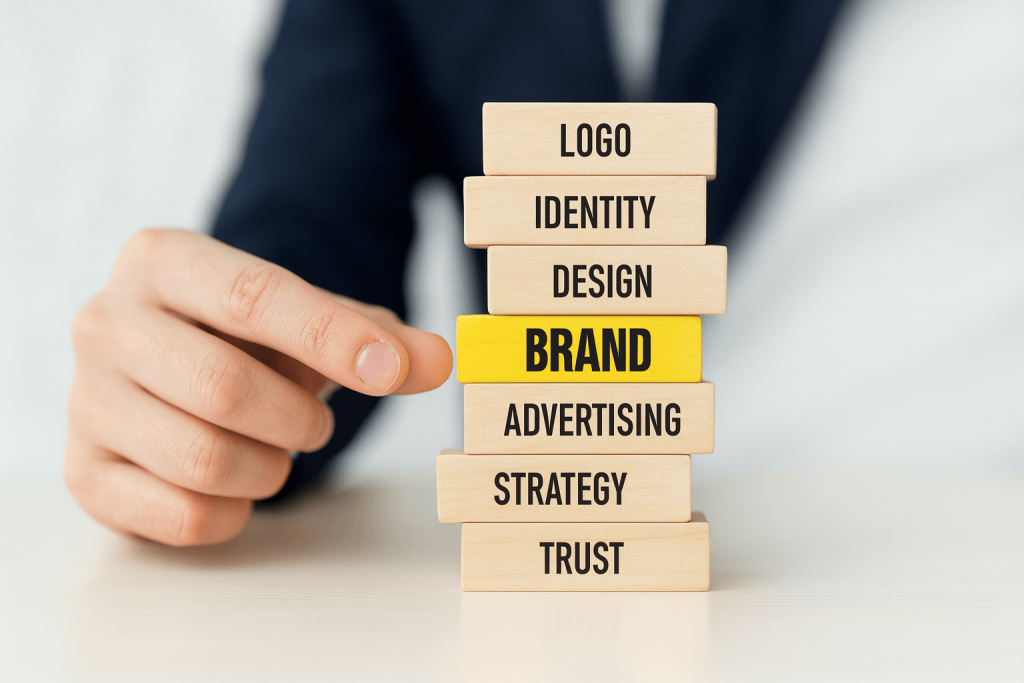
Many brands now lean toward quiet identity. They prefer soft colors, clean forms, and more natural flow. They want users to feel comfort rather than pressure. Because of this, branding has shifted toward minimal yet meaningful visuals. Marketing then supports this vision through thoughtful content and clear value.
Additionally, branding helps shape long-term perception. Users remember how a site makes them feel. They remember the ease of movement. They remember the style. Because of this, design cannot stand alone. It must support the brand’s deeper message.
Marketing teams also work closely with designers to keep identity strong. They help refine tone and visuals so that everything feels unified. This collaboration forms a complete system that influences how users see the brand in the future.
As brands continue to evolve, identity will remain a central force in shaping digital spaces.
Clear Direction through a Focused Design
Brands need guidance that supports their goals. They want design, structure, and identity to move with them. They also want digital spaces that feel natural to users. Because of this, the right direction becomes essential. When teams want clear design and grounded digital presence, they often turn to trusted partners. Many rely on forward design direction and simple systems that help them build digital spaces with confidence.
When brands want solutions that keep their digital spaces aligned with the future, they explore partners who offer clarity, structure, and ease. This is where clean visual systems become even more important. They stand at the center of modern design, guiding brands through each step of growth.