

A Calm First Impression
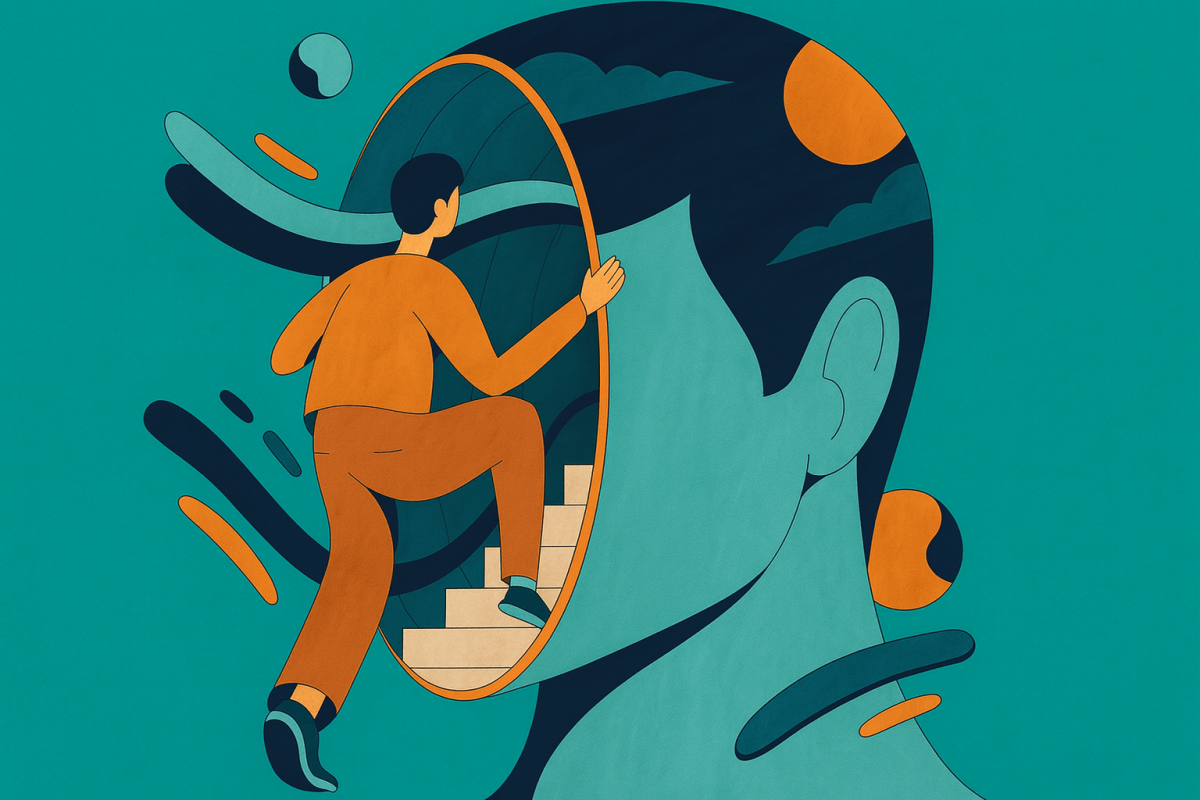
Most people decide how they feel about a digital product in seconds. They may not say it out loud, yet they sense whether something is clear, steady, and made for them. That feeling comes from details. When function meets delight, the experience is not loud. Instead, it feels calm, friendly, and quietly reliable. The user does not have to fight the interface to get where they want to go. They simply move forward, step by step, without second guessing.
Details are where the promise becomes real. A product can claim it saves time, but the small moments prove it. A dialog that appears when someone needs help. A form that remembers what was entered. A screen that loads before frustration has a chance to grow. These choices reduce strain. As a result, users feel confident, and confidence is the start of loyalty.
Good details also show respect. They respect attention by removing clutter. They respect ability by supporting different devices and needs. They respect emotion by avoiding surprises. Even a tiny touch, like a reassuring confirmation message, can make people feel seen. At the same time, delight without usefulness is empty. A pretty surface that slows work will not last. So teams that win focus on both sides at once. They test real behavior, listen to support threads, and fix what actually trips people up.
This kind of craft pays off in practical ways. Clear paths raise completion rates. Predictable patterns lower training time. Helpful cues cut down on mistakes. Over time, those gains stack into trust. Trust is also what turns visitors into advocates. People share what makes their day easier, especially when it feels thoughtful. When the smallest pieces line up, the whole experience feels human. That is why teams treat design like a living conversation. They release, learn, and refine, then repeat, until the product feels natural to use.
Steady Ground For Better Experiences
A digital presence needs strong bones before it can feel effortless. In Web Development, solid structure makes every later improvement easier. Speed is one of the most important foundations. People notice a slow page even if they cannot explain why. Fast builds come from clean code, smart asset use, and careful testing across networks. With that in place, visitors stay focused on content, not loading spinners.
Layout is another foundation. A page should breathe. Headings guide the eye, and spacing highlights what matters. Navigation needs to make sense in one glance. If someone has to hunt for the next step, the product loses trust. Responsive behavior matters just as much. Buttons should be easy to tap on a phone and still feel balanced on a wide monitor. Text should reflow without awkward jumps. Each breakpoint should feel designed, not patched.

Foundations also include long term health. Reusable components keep styles consistent. Clear naming keeps teams aligned. These choices support product scalability, because new pages can be added without breaking the look and feel. A stable system lets creativity live on top. Then you can add small delights, like subtle motion or friendly microcopy, without risking stability. Even simple extras, such as a progress indicator or a helpful tooltip, can make the journey feel guided rather than guessed.
Order Behind The Curtain
Many digital experiences are built for public use, yet the tools inside a company matter just as much. Business Applications shape a team’s day. When they are designed well, they fade into the background and let people think about their work, not the software. Clarity starts with how information is grouped. Data should be arranged the way users talk about it. Labels should use the same language the team uses in meetings. Search should forgive minor errors, because people remember meaning more than spelling.

Workflows need the same care. The best systems remove steps that do not add value. They also prevent mistakes before they happen. Instead of waiting for someone to submit a wrong entry, the interface can guide them toward the right option with gentle prompts. This approach reflects a user centric strategy that values success over blame. It also shortens onboarding for new hires, since the tool teaches them as they move.
Internal tools must connect cleanly to other systems. When people have to copy and paste data between screens, they lose time and trust. Shared patterns help here. With cross platform consistency, someone moving from a dashboard to a report or a portal does not have to relearn the basics. If a chart uses the same filters everywhere, and exports match what people see on screen, confidence rises quickly. That confidence makes teams act faster, because they are not debating whether the tool is right.
Ease While Life Moves
Phones are used in motion, between tasks, and often with little patience. That is why Mobile Development must feel natural in the hand. Touch targets need enough space. Actions must be possible with one thumb. Content should load well even on weak connections. When those basics are handled, the product feels like a helper, not a hurdle. It also feels fair to users who are busy, tired, or distracted.
Motion is a powerful detail on mobile. A small animation can show where a card went after a swipe. A smooth transition can confirm that a save happened. These cues are functional, yet they also add warmth. Still, motion should be purposeful. Too much movement becomes noise. The right amount becomes guidance. Sound and haptic feedback can also be used lightly to confirm success, as long as they never interrupt.
Offline thinking is another useful detail. Saving drafts locally, caching recent views, and syncing later protects users from losing work at the worst moment. Personal touches help too. If the app learns what a person does most, it can place those actions within easy reach. That kind of care makes products feel tuned to real life. When a function meets delight on mobile, it shows up as calm momentum that travels with the user.
Atmosphere People Remember
Delight is not only about usability. It is also about meaning. Interactive moments can transform a flat task into a pleasant one. Hover states, gentle sound cues, and tasteful feedback loops tell users that the system is awake and paying attention. These touches should never slow the path. Instead, they guide the eye, reduce doubt, and celebrate progress.
A consistent personality strengthens perception. This is where Marketing & Branding show up in daily use. Color, tone, imagery, and rhythm should all point to the same identity. When those parts agree, people feel safe exploring. They know what kind of experience they are inside. Small surprises help too. A witty error line, a warm welcome back, or a tiny celebration after a milestone can make a tool feel less like a machine and more like a partner.
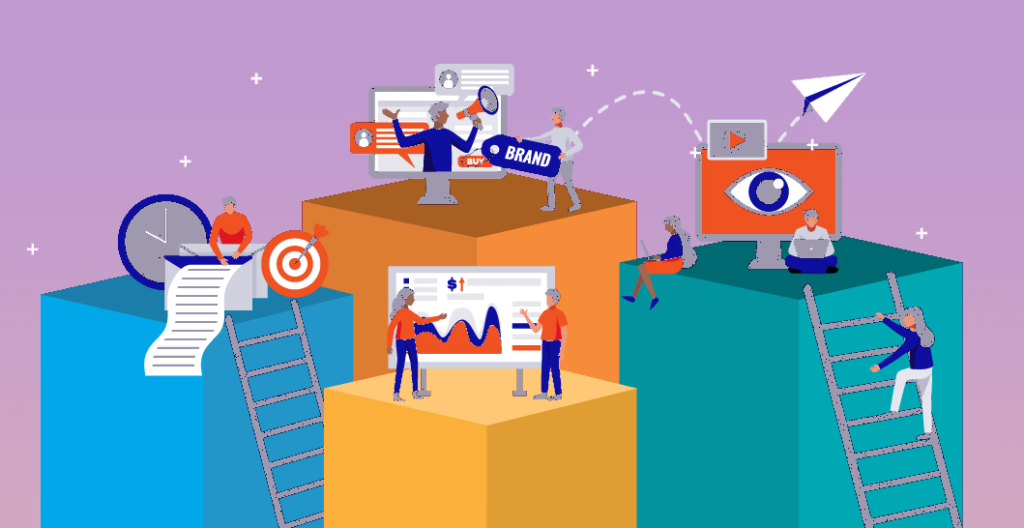
Storytelling lives in the flow, too. An onboarding step can inspire as much as an ad. A smart empty state can show what is possible. A useful tip at the right moment can push someone past hesitation. That is the heart of conversion storytelling, because it helps users imagine success while they are still deciding. With partners like Webdev200, these narrative details can be built into design systems so every update stays on voice. The goal is not to decorate. The goal is to help users feel ready, guided, and proud of what they can do next.
A Simple Next Step
If your product feels solid but not yet memorable, you do not need a full rebuild. You need attention to the right details. Look for the points where people hesitate, where they abandon a form, or where they ask for help. Then polish those moments until they feel obvious. The process may include faster pages, clearer tools, smoother mobile paths, or more welcoming feedback. Over time, the experience becomes both useful and enjoyable.
When you are ready to explore these improvements, start with a short discovery session. Bring your goals, your rough spots, and a sense of what success would feel like. Together we can map a path where function meets delight, measure what changes matter most, and build versions that grow with you. Small moves, made steadily, can turn an ordinary product into one people trust every day. When that trust is earned, growth follows naturally, because satisfied users stay longer and share more.