

Modern life runs on the web. For today’s generation, digital spaces are not a bonus layer on top of reality, they are the place where learning happens, relationships grow, businesses launch, and daily tasks get handled. The internet is their classroom, marketplace, and community center all at once. That is why modern web development matters so much. It has moved far beyond creating simple websites. It now powers full ecosystems built for speed, creativity, connection, and opportunity.
The current generation has grown up expecting things to work instantly. If a site loads slowly, they leave. If a platform feels confusing, they replace it. If information isn’t easy to find, they assume it doesn’t exist. Those expectations are not random, they come directly from how far web development has advanced. The web teaches users what “normal” should feel like: fast, simple, mobile-friendly, and interactive.
Everyday life powered by the web
Most daily routines now rely on digital systems. Shopping, banking, scheduling, studying, and entertainment all happen through websites and apps that are built to feel effortless. Good web development makes these experiences smooth in a way users barely notice. But when development is weak, everyone notices.
Modern Web Development focuses on performance and clarity. It’s not just about visuals. It’s about building sites that load quickly, adapt to every screen size, and guide users naturally. This generation expects that by default. They don’t separate “online life” from life, it’s all one flow. So technology that slows them down feels outdated immediately.
That’s why current digital platforms are designed for speed and ease. Search bars predict what users want. Menus collapse neatly on phones. Buttons are placed where thumbs naturally reach. Features are simplified so people don’t have to think too hard just to get something done. Those choices shape behavior. Users become more impatient with clutter. They prefer tools that remove steps. They value simplicity because they experience it everywhere online.
Over time, this has trained today’s generation to expect clarity not just on the web, but in services, businesses, and even relationships. The web doesn’t just support daily life, it subtly rewires what people think good experiences should be.
Learning and careers without traditional barriers

Access to knowledge is one of the biggest shifts driven by the modern web. Past generations depended on limited resources: classrooms, libraries, or the people around them. Today, a teenager can learn graphic design, coding, photography, finance, or a new language from well-built platforms in a single weekend. That ability comes from web systems designed to organize content cleanly, deliver information quickly, and make learning interactive.
This changes how young people see education. They don’t view learning as something locked inside institutions. They see it as something they can reach whenever they want. That builds independence. It also builds confidence, because progress feels personal and self-directed.
This shift flows directly into the job market. Digital ecosystems have created entire career paths that didn’t exist before. That includes traditional tech roles like developers and UX designers, but also creators, online consultants, digital community managers, and remote-first professionals in nearly every industry. Even jobs that aren’t “technical” still rely on digital tools to function.
A major driver here is modern Business Applications. Companies run on dashboards, internal portals, automation tools, and cloud-based systems that organize work in real time. These applications reduce repetitive tasks, speed workflows, and improve decision-making through data visibility. For today’s generation entering the workforce, it means work is more digital, faster paced, and less tied to a physical office.
In short, web development doesn’t only provide education and jobs. It changes what education and jobs mean by making them more flexible and accessible.
Connection, creativity, and entrepreneurship online

How people connect has transformed. Communication isn’t occasional anymore; it’s constant, global, and interactive. Group chats, video calls, livestreams, and online communities are all powered by modern Interactive web systems that update in real time and respond instantly.
This generation expects to participate, not just observe. They want to comment, react, collaborate, and customize experiences to fit them. Static platforms feel empty. Interactive platforms feel alive. That has changed what “community” means. Friendships can form across countries. Support networks can exist entirely online. Niche interests can find thousands of people who share them. The web gives this generation a level of connection and belonging that geography no longer controls.
It also amplifies creativity. Digital platforms make it easy for young people to publish writing, music, design, video, and art without needing formal gatekeepers. A creator can build an audience from their bedroom if the platform is designed well enough to let talent travel fast. Modern web tools make creativity feel normal, not rare. They encourage experimentation through templates, editing features, and interactive design systems.
At the same time, web development has made entrepreneurship more reachable than ever. Online storefronts, booking sites, and service platforms let young people build small businesses with little upfront cost. Secure payments, mobile-first layouts, and automated order systems remove friction. Branding and visibility also matter here. Strong Marketing & Branding through digital design helps new businesses feel trustworthy and recognizable even when they are tiny.
So the web supports two of the biggest cultural shifts in the current generation: creating publicly and building income early.
Mobile first experiences shaping daily behavior
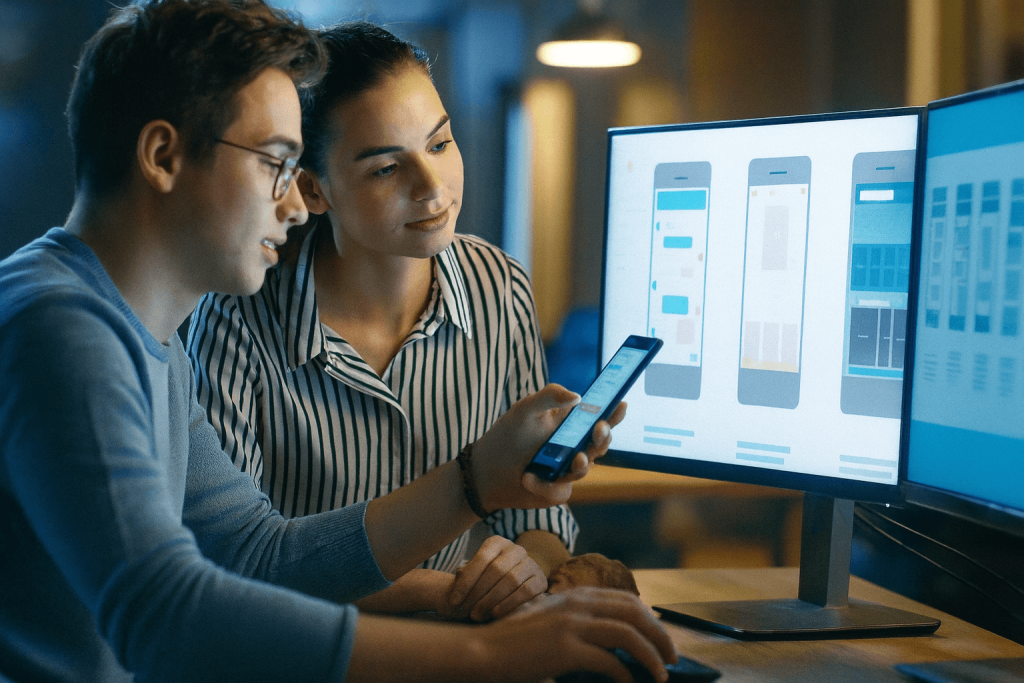
Smartphones are central to how today’s generation moves through life. They don’t plan around desktops; they plan around what can be done on a phone. That is why Mobile Development is now a foundation, not an add-on.
Modern mobile apps and mobile-optimized websites allow people to work, learn, shop, and socialize anywhere. Younger users expect everything to function smoothly on handheld screens. If something isn’t mobile-friendly, it feels broken even if it works fine on a laptop. That expectation has pushed development toward cleaner interfaces, faster performance, and more thumb-native design.
Mobile systems also reshape habits. People manage time through apps rather than calendars. They track health through wearables synced to their phone. They consume education in bite-sized mobile lessons. They run businesses through mobile dashboards. The convenience of mobile platforms encourages multitasking, quick decisions, and constant movement between tasks.
Because of mobile development, today’s generation experiences the web as a continual companion, not a place you visit occasionally. That changes lifestyle, attention patterns, and even what independence looks like.
If you want to build digital experiences that match what today’s generation expects, fast, mobile-first, interactive, and built for growth, WEBDEV200 can help through Web Development, Business Applications, Mobile Development, Interactive solutions, and Marketing & Branding.
Reach out today and let’s build something people actually want to use.