


Digital Direction for Stronger Online Growth
Digital ideas thrive when they move with clarity, intention, and structure. Although creativity is often the spark behind impressive online work, thoughtful planning determines how far those ideas can go. People expect digital experiences to feel clear, fast, and easy to understand, so creators must shape paths that guide users with confidence. This is where web development takes on a more strategic role. It brings order to projects that might otherwise feel scattered. The goal is to make every interaction easy to follow while still leaving room for creativity to shine.
Moreover, clarity has become essential in a digital world full of noise. Users no longer tolerate confusing layouts or slow navigation because they compare every experience to the best they have seen. When creators focus on smooth movement, users feel supported rather than frustrated. This helps them stay engaged for longer periods. It also improves how messages are received. When information sits in the right place and loads without delay, people naturally trust the experience more.
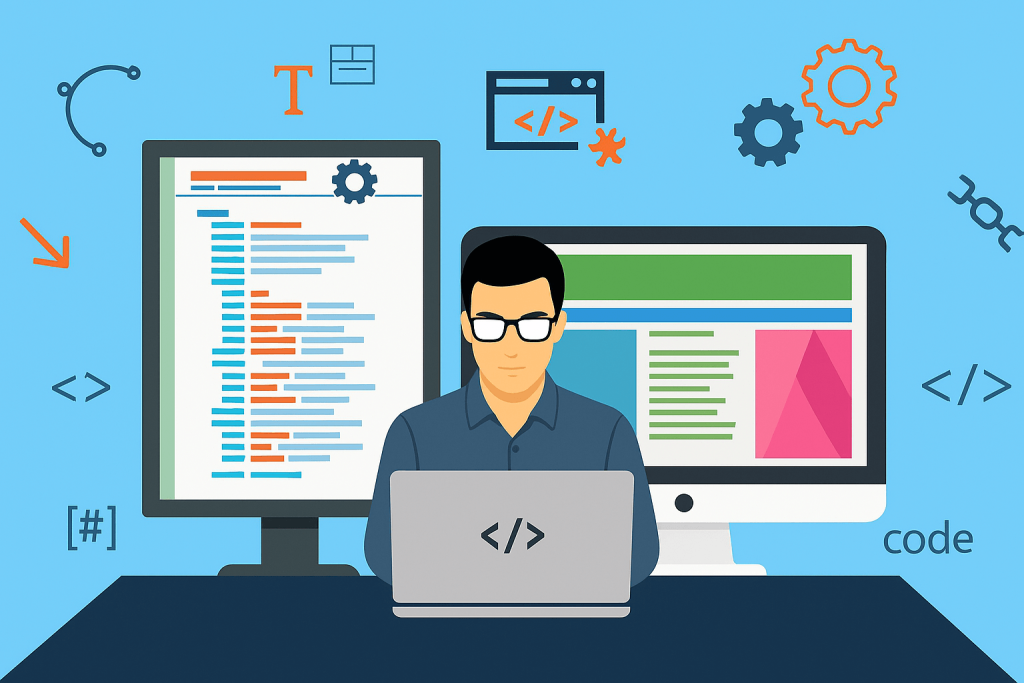
Additionally, creators now anticipate a wider range of devices and user behaviors. Because digital expectations shift quickly, adaptability becomes important from the very first stages of planning. A flexible environment helps ideas evolve without losing direction. As teams refine their digital work, they rely on consistent structure to keep everything running smoothly. When each piece connects with purpose, the result becomes stronger and easier for users to navigate.
Smarter Digital Structure Supporting Daily Progress
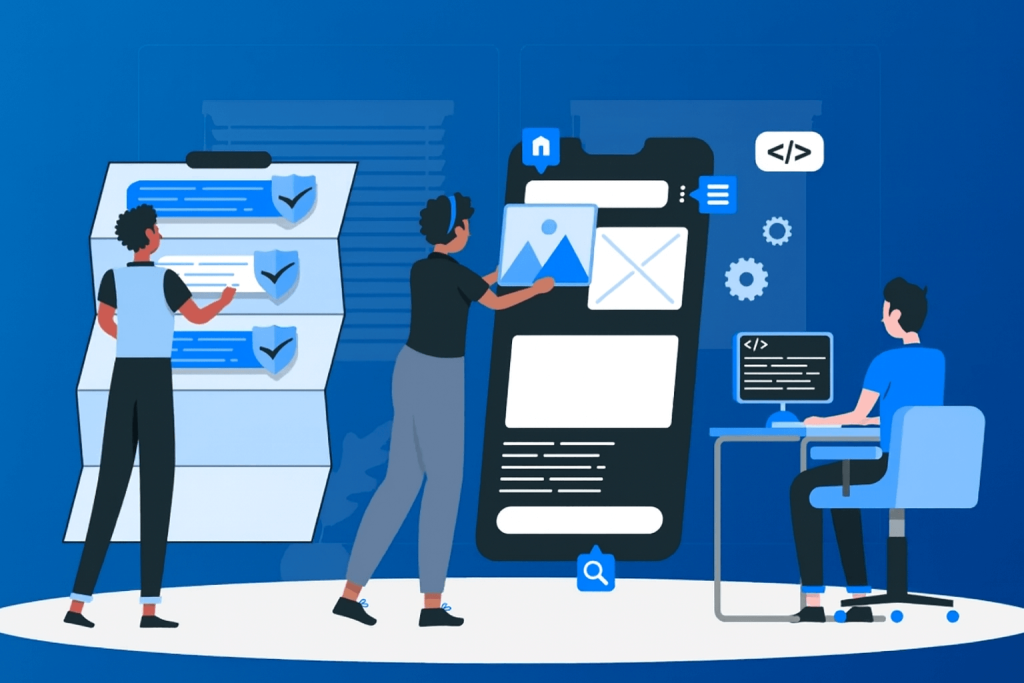
Digital work becomes more effective when supported by tools that improve efficiency. This is why many teams turn to business applications to streamline their daily tasks. These tools organize information, reduce repetitive work, and allow people to focus on meaningful progress. When systems align naturally with the way teams operate, the entire workflow becomes more stable. This encourages smoother communication and helps people complete tasks with fewer interruptions.
Furthermore, better structure improves decision-making. When information remains clear and easy to access, teams waste less time searching for answers. They respond faster to new priorities because their tools guide them through the process. This level of organization becomes essential as projects grow larger or more complex. A well-designed system gives creators confidence by ensuring each step feels predictable and manageable.
Additionally, these tools reduce friction in daily routines. When processes flow smoothly, people feel less stressed. They remain more attentive and creative because they are not overwhelmed by unnecessary steps. This also leads to stronger results. Organizations gain consistency while still staying flexible enough to adjust to new challenges. Because digital environments evolve continually, having adaptable support behind the scenes keeps everything moving in a positive direction.
Unified Digital Movement Across Every Screen
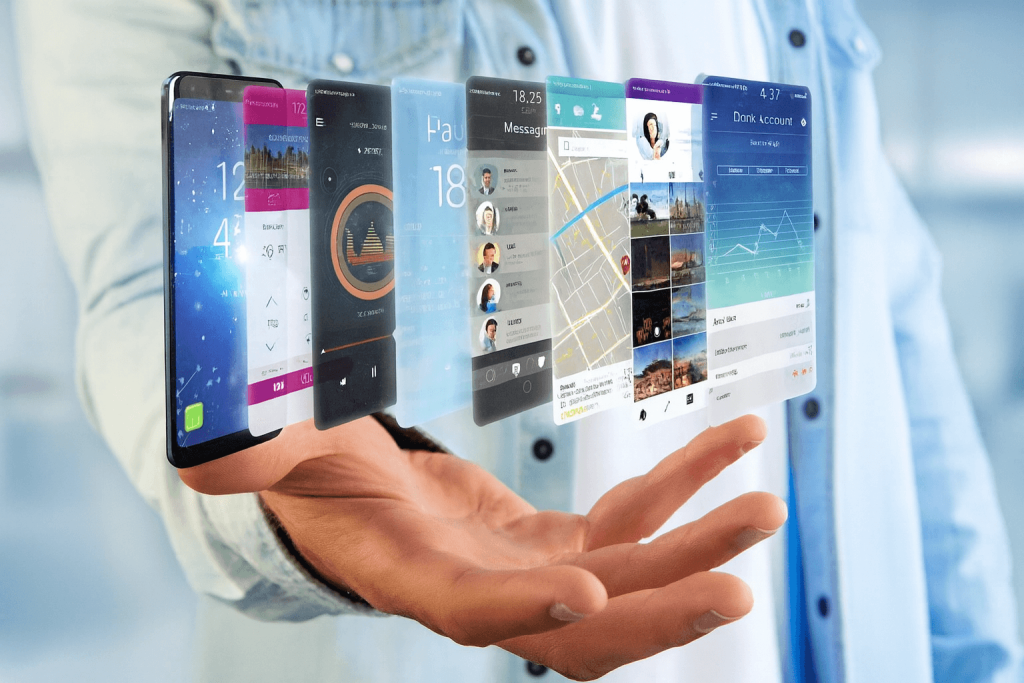
People interact with digital ideas across many screens, so consistency matters more than ever. This is why mobile development plays such an essential role in shaping modern digital experiences. When users switch from one device to another, they expect everything to look and feel familiar. They want layouts that adjust smoothly and interfaces that respond instantly. If the experience feels fractured or confusing, users lose interest quickly.
Moreover, mobile interaction often represents the first point of contact. Many people begin their digital journey on a phone, making responsive flow essential. A design that adjusts naturally gives users a sense of stability. It shows that creators understand their needs and respect their time. Because of this, mobile-first planning has become standard among teams hoping to build strong digital work. Smooth transitions create a more welcoming environment, which encourages users to explore deeper.
Additionally, consistent mobile performance increases trust. When pages load quickly, users feel encouraged to stay longer. They read more, click more, and engage more deeply because they do not face frustrating delays. As a result, creators can communicate their ideas more effectively. A smooth mobile experience strengthens the central message of a project and helps ideas reach people wherever they are.
Visual Balance Guiding Clear Interaction
Visual structure shapes how users interpret information. This is why creators rely on responsive design to build layouts that adjust naturally to different screens. When elements shift smoothly, users feel guided rather than overwhelmed. Balanced spacing and clear hierarchy help them locate information quickly. This sense of direction builds trust and improves the overall experience.
Furthermore, responsive design supports long-term success. Digital environments change often, with new devices and display sizes appearing regularly. A flexible layout ensures that content stays accessible even as technology evolves. This saves creators from costly overhauls later. It also gives them more freedom to expand ideas without worrying about structural breakdowns.
Additionally, visual clarity encourages deeper engagement. Users remain more comfortable when each section appears calm and organized. They enjoy reading, scrolling, and interacting because nothing interrupts their flow. As a result, the message at the center of the digital idea becomes easier to understand. Responsive structure supports creativity by giving ideas a clean, reliable space to grow.
Creative Direction Strengthening Digital Engagement
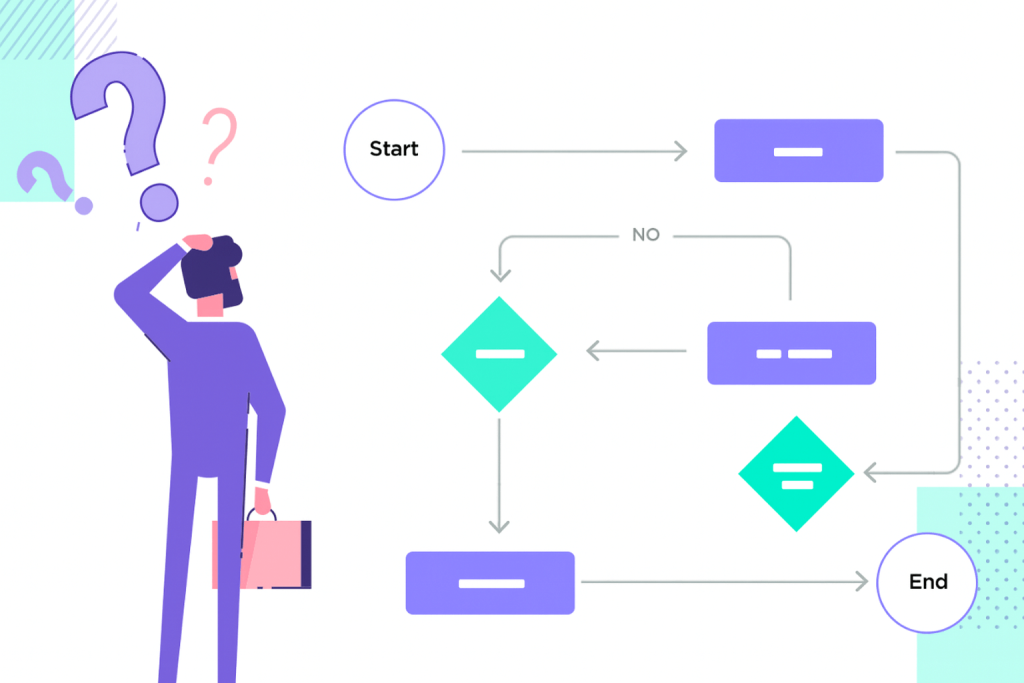
Meaningful interaction shapes how people remember digital work. This is why creators place serious attention on user experience. When users feel supported, they stay longer and explore more. Interaction becomes smoother when steps feel clear, and this encourages people to return. Because digital environments depend on movement, every detail matters. Decisions about spacing, color, rhythm, and flow all influence how comfortable users feel.
Moreover, emotional connection plays an important role in engagement. People remember how a digital space made them feel. When interactions feel effortless, they build trust more quickly. This emotional comfort strengthens the message behind the design. Users connect the positive feeling with the idea, making it easier for the project to stand out.
Additionally, thoughtful direction helps creators share ideas with impact. Even simple digital spaces can leave lasting impressions when designed with intention. Clarity becomes part of the message. Fluid movement becomes part of the story. As teams refine their digital work, they focus on guiding users gently from one moment to the next. These decisions allow ideas to grow with purpose and confidence.
Inspired Path Strengthening Long-Term Digital Success
Digital ideas reach people more effectively when they blend clarity, structure, and visibility. Although creativity sets the vision, strategic planning determines how far it travels. This is why many teams focus on smarter approaches that allow ideas to grow. With balanced planning and thoughtful execution, each part of a digital project becomes easier for users to explore and understand.
Furthermore, visibility has become essential. When supported by careful SEO, digital work becomes easier to find. People connect faster because they encounter ideas in familiar spaces. Search visibility helps the message reach the right audience at the right moment. This improves long-term success by increasing recognition and engagement.
Additionally, creators now look for guidance from teams who understand how complex ideas can move with clarity. Even WebDev200 reflects this modern mindset. Their approach to services shows how digital direction can remain calm, adaptable, and user-focused. When ideas grow within a supportive structure, they become stronger and more meaningful.