

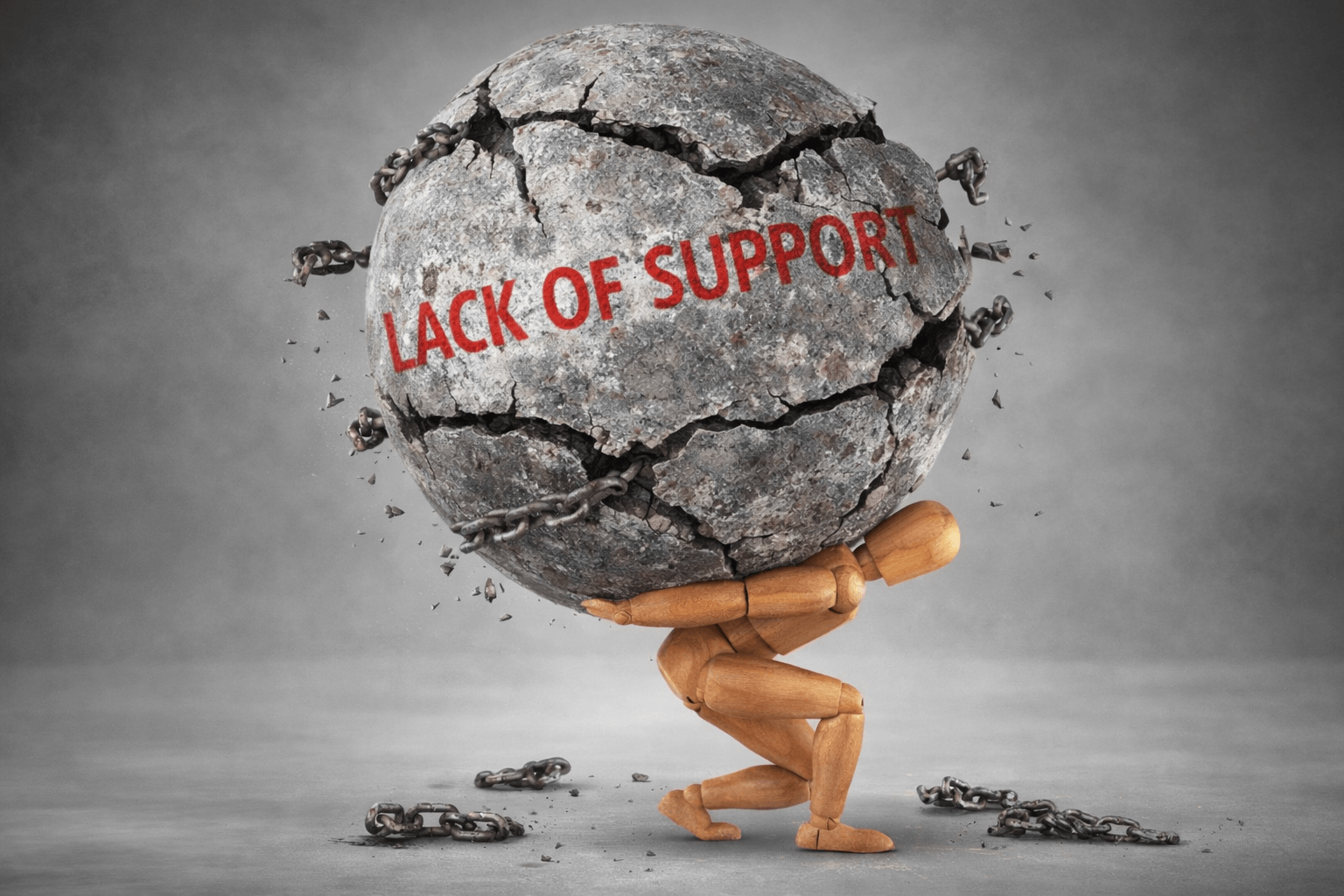
Momentum Without Reinforcement
Growth often starts quietly. New opportunities appear. Demand increases. Teams feel energized. At first, everything seems manageable. However, pressure builds slowly beneath the surface. When support systems do not grow alongside demand, problems begin to surface.
Momentum creates movement. Yet movement without reinforcement leads to strain. As workload increases, existing tools stretch thin. Processes that once worked smoothly begin to slow. Small issues appear more often. These signs often go unnoticed at first.
Because growth feels positive, leaders focus on output. They celebrate progress. Meanwhile, cracks form quietly. Communication becomes less clear. Errors take longer to fix. Tasks require more effort than before.
Eventually, something gives way. It may appear as missed deadlines. It may show up as frustrated customers. Sometimes, it appears as burnout within teams. Although symptoms vary, the cause remains the same. Support did not keep pace.
Growth does not fail because ambition is wrong. Instead, it fails when preparation lags behind expansion. Systems need time to adapt. Without that time, stability weakens.
Early reinforcement changes outcomes. When infrastructure supports momentum, growth feels controlled rather than chaotic. Preparation creates breathing room. It allows teams to respond instead of react.
This stage defines long term success. Companies that recognize early strain adjust quickly. Others push forward until problems demand attention. At that point, fixes cost more and take longer.
Sustainable growth requires intention. Reinforcement is not optional. It is essential.
Digital Strain Beneath Daily Operations

As growth continues, digital systems carry increasing responsibility. Websites handle more traffic. Internal tools process more data. Communication flows across more channels. Without reinforcement, these systems strain under demand.
Slow load times frustrate users. Data errors disrupt workflows. Manual work increases as systems fail to connect. Each issue alone seems manageable. Together, they create instability.
Strong web development prevents this pattern. Flexible architecture allows platforms to adapt as demand grows. When systems scale smoothly, performance remains consistent. Users experience reliability instead of friction.
Internal efficiency matters too. Many businesses rely on disconnected tools during early growth. Over time, these tools limit visibility and accuracy. This is where business applications bring structure. Integrated systems improve coordination and reduce errors.
Access also changes during expansion. Teams work remotely. Customers expect immediate availability. This shift increases reliance on mobile development. Without mobile access, engagement drops and productivity suffers.
Digital strain does not appear overnight. It builds gradually. Businesses often notice symptoms before causes. Addressing foundations early prevents disruption later.
Technology should support momentum, not restrict it. When systems evolve with growth, pressure stays manageable. Stability becomes part of daily operations.
Ignoring digital strain delays progress. Addressing it early protects both performance and morale.
Experience Gaps That Undermine Confidence

Growth increases visibility. More people interact with platforms. Expectations rise. Experience becomes a defining factor. When experience falters, trust weakens quickly.
Navigation confusion frustrates users. Pages feel cluttered. Important information hides behind extra steps. These issues often stem from overlooked web design choices. Clear layouts guide users naturally, even as content grows.
Beyond visuals, flow matters. Timing matters. Feedback matters. Strong user experience ensures interactions feel intuitive. When users understand where to go, confidence grows.
Devices also multiply as growth continues. Without responsive design, platforms struggle to adapt. Users encounter broken layouts or missing features. Frustration follows, and engagement drops.
Visibility adds another layer. As competition increases, discoverability becomes critical. Without effective SEO, strong platforms remain unseen. Growth stalls despite quality offerings.
Experience gaps erode trust quietly. Users rarely complain. Instead, they leave. Addressing these gaps early protects loyalty and reputation.
Trust builds through consistency. When systems respond smoothly, users feel confident. When friction appears, doubt grows.
Experience supports growth only when it evolves intentionally.
Identity Alignment During Expansion

Growth changes how brands communicate. Audiences expand. Messages travel farther. Without alignment, identity weakens.
Consistent branding & marketing maintains clarity during expansion. Visuals stay recognizable. Messaging stays focused. Customers know what to expect, even as offerings evolve.
Interaction also shapes perception. Digital platforms influence trust daily. Thoughtful interactive elements guide users without confusion. Engagement feels natural rather than forced.
Alignment requires coordination. Technology and messaging must support the same goals. When they drift apart, brands lose coherence.
Shortcuts often reveal themselves here. Early solutions no longer scale. Inconsistent tools send mixed signals. Teams struggle to maintain focus.
Alignment restores confidence. It ensures growth strengthens identity rather than diluting it. When systems reflect values, expansion feels intentional.
Identity should grow with the business. Support makes that possible.
A Stronger Direction Forward
Growth does not fail because ambition is misplaced. It fails when support arrives too late. Systems must evolve alongside demand to remain effective.
Preparation changes outcomes. Reinforced foundations reduce strain. Clear experiences maintain trust. Aligned identity preserves clarity.
Webdev200 works with growing businesses to strengthen support before breakdowns occur. By addressing digital needs early, expansion remains controlled and sustainable.
If growth feels heavier than expected, it may be time to examine what supports it. Small adjustments today prevent larger problems tomorrow.
Reach out to explore how stronger systems create room for confident growth. Stability allows momentum to continue without interruption.
Growth should feel empowering, not fragile. Support makes the difference.