


A Perspective That Shapes Digital Growth Over Time
Digital projects rarely succeed through short bursts of effort alone. Sustainable results come from long term thinking, steady collaboration, and shared understanding. Businesses evolve, markets shift, and user expectations change. Because of that, digital development must grow alongside the organizations it supports.
This is where WebDev200 enters the conversation. Rather than focusing only on delivery dates, the emphasis stays on longevity. Decisions made early affect performance years later. When partners align on goals from the beginning, digital platforms remain useful instead of outdated.
Collaboration over time builds context. Teams understand the business better. Solutions become more refined. Adjustments happen faster because history already exists. That familiarity reduces friction and improves outcomes.
Many digital efforts fail because they treat development as a transaction. Once a site launches, the relationship ends. However, real value emerges when collaboration continues. Platforms improve. Features adapt. Systems scale smoothly.
Long term digital growth depends on clarity. Clear communication supports trust. Clear planning supports flexibility. When both sides share ownership, development feels intentional rather than reactive.
The long view is not about waiting. It is about preparing. It allows businesses to build with confidence, knowing that change will come and that their digital foundation can handle it.
Foundational Platforms Built Through Web Development
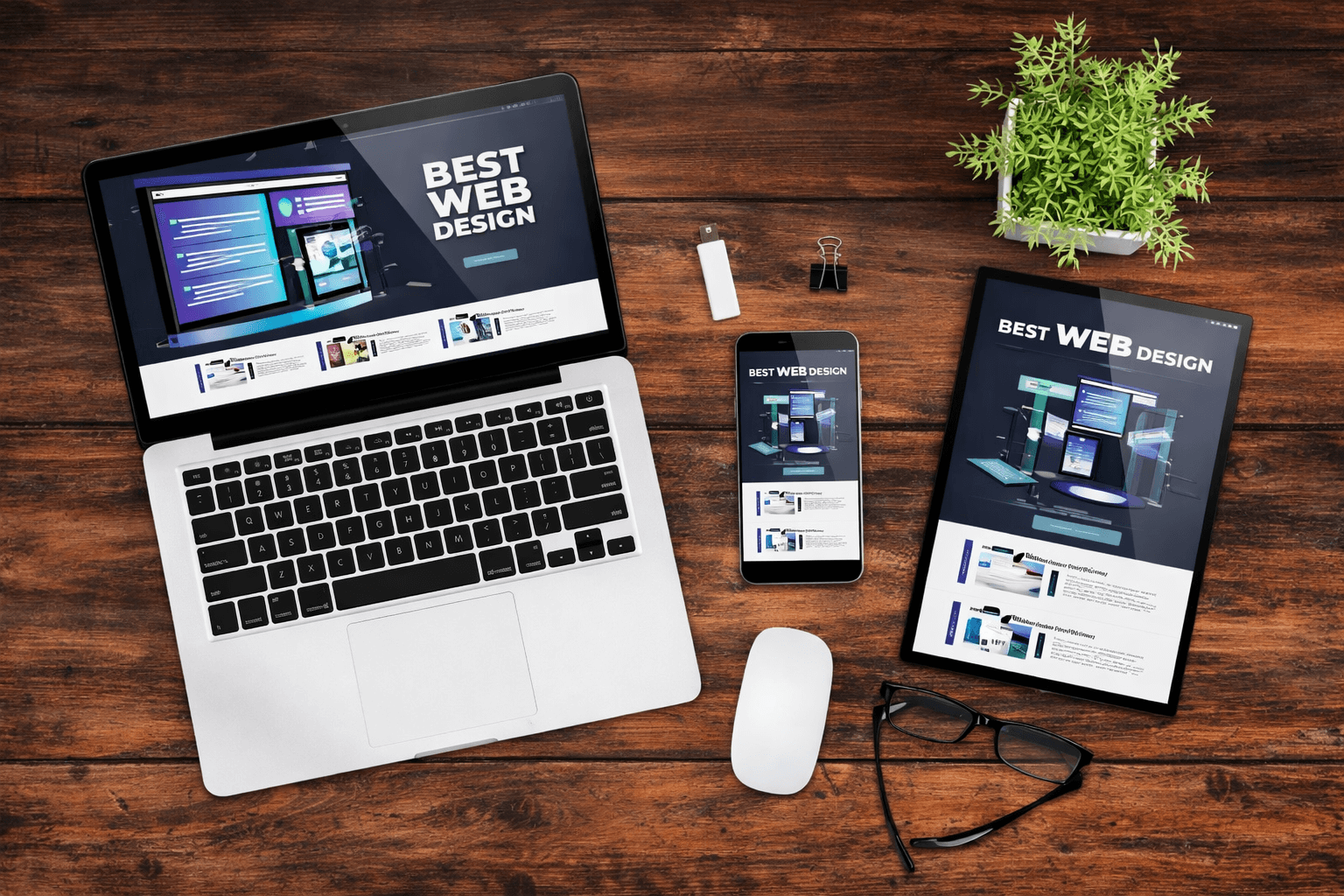
Strong digital foundations begin with web development designed for longevity. Websites and platforms rarely remain static. They expand, integrate, and adjust as business needs change. Building with that reality in mind protects future growth.
Long term collaboration supports smarter decisions. Architecture considers scale. Performance remains stable. Updates happen without disruption. These choices reduce costly rebuilds later.
Well planned development also improves adaptability. When platforms are built cleanly, teams can introduce new features without breaking existing functionality. That flexibility supports innovation.
Modern web design supports this approach by balancing aesthetics with usability. Visual appeal matters, but clarity matters more. When design supports function, users stay engaged.
Attention to user experience improves retention and satisfaction. Long term partners understand how users interact with platforms over time. They adjust layouts, flows, and content accordingly.
Responsive systems matter as well. Responsive design ensures consistency across devices as usage patterns change. That consistency strengthens trust.
Development focused on longevity turns digital platforms into assets instead of liabilities. When built thoughtfully, they grow with the business instead of holding it back.
Scalable Systems Supported by Business Applications

As organizations grow, internal systems must keep pace. Business applications support workflows, data management, and decision making. These tools rarely remain finished. They evolve as processes change.
Long term collaboration improves application value. Teams refine features based on real use. They adapt systems as requirements shift. That adaptability reduces friction and improves efficiency.
Custom applications support clarity. Processes become simpler. Data flows more reliably. Teams spend less time working around limitations.
Applications also support integration. As platforms connect with other systems, planning matters. Long term partners design applications with interoperability in mind.
Strong applications improve visibility. Leaders gain insight. Teams respond faster. Operations feel more coordinated.
When business applications evolve alongside the organization, digital investments deliver lasting value. Collaboration ensures that systems remain relevant rather than rigid.
Continuous Engagement Through Mobile Development

User engagement often extends beyond desktop platforms. Mobile development supports accessibility, responsiveness, and ongoing interaction. Mobile products demand continuous attention because platforms and expectations change frequently.
Long term collaboration supports consistency. Updates align with business goals. Features reflect user feedback. Performance stays reliable across devices.
Mobile platforms also strengthen online presence. Users engage where it feels convenient. That accessibility improves reach and satisfaction.
Development over time ensures compatibility. Operating systems update. Devices change. Applications must adapt without disruption.
Mobile products benefit from familiarity. Long term partners understand usage patterns. They improve navigation and performance accordingly.
When mobile development remains part of a broader strategy, digital ecosystems feel connected rather than fragmented. That cohesion supports engagement and growth.
Partnerships That Extend Beyond Initial Delivery
Digital success rarely ends at launch. Ongoing services support improvement, refinement, and growth. Long term partnerships allow businesses to adapt confidently.
Support evolves with needs. Platforms expand. Performance improves. New opportunities emerge.
Strong partnerships reduce uncertainty. Teams communicate openly. Adjustments feel manageable.
When businesses reach out to align long term goals, collaboration strengthens outcomes. Digital development becomes a shared journey rather than a one time task.