


Clarity at the Beginning Shapes Everything That Follows On
Every strong digital outcome starts with a clear reason for being built. Purposeful choices define direction early, and because of that, momentum stays steady instead of chaotic. When clarity exists from the beginning, teams move forward with confidence. As a result, fewer revisions happen later. More importantly, every decision connects back to the original intent.
At this stage, conversations matter more than code. Goals, audiences, and expectations must align before anything takes form. Otherwise, projects drift. That drift often leads to rushed fixes and unnecessary features. However, when choices are grounded in purpose, progress feels natural.
This mindset reflects how WebDev200 approaches early planning. Strategy does not exist to slow things down. Instead, it prevents wasted effort later. Therefore, clarity becomes a time saver rather than a delay.
Purpose also shapes how web design decisions appear. Layouts, spacing, and visual flow serve communication first. They never exist only to decorate a page. Likewise, user experience improves when every element has a reason to exist. Visitors feel guided rather than overwhelmed.
Short feedback loops also help. When ideas stay focused, feedback becomes useful instead of confusing. Consequently, alignment improves across teams and stakeholders. Even small choices feel easier when they support a shared direction.
At the beginning, restraint matters just as much as ambition. Purpose filters ideas without limiting creativity. Because of that balance, strong foundations form naturally. Later stages benefit from this early discipline.
Ultimately, clarity does not limit outcomes. It strengthens them. When purpose leads from the start, every following stage moves with intention instead of correction.
Technical Direction Built on Intent Rather Than Habit Alone
Purposeful choices become visible when technical decisions begin. This stage defines how well a product performs over time. Without intent, teams default to habits. However, habits do not always fit the goal. Intent ensures the technology supports outcomes rather than convenience.

Thoughtful web development starts with structure. Code should scale without constant repair. Because of that, planning matters as much as execution. When teams choose tools intentionally, systems remain stable even as needs evolve.
Performance also reflects purpose. Speed, security, and accessibility must align with how people actually use a site. Therefore, technical decisions should reflect real behavior, not assumptions. When choices match reality, maintenance becomes simpler.
This is where website development differs from simple assembly. Building with intent means anticipating growth. It also means avoiding shortcuts that create long-term friction. As a result, platforms stay reliable instead of fragile.
Meanwhile, visibility cannot be ignored. Technical choices affect discoverability. Clean structures support SEO naturally. Search engines reward clarity just as users do. Because of that, purposeful development strengthens both reach and usability.
Adaptability also plays a role. Devices change. Expectations shift. Choosing responsive design early prevents future rebuilds. Consequently, experiences stay consistent without repeated reinvention.
When technical direction aligns with purpose, teams move forward with fewer surprises. Systems remain flexible without becoming unstable. That balance only happens when choices serve intention rather than routine.
In the long run, intentional technical decisions protect momentum. They reduce friction. They support growth. Most importantly, they allow products to evolve without losing coherence.
Systems That Support Growth Instead of Creating More Friction
As digital needs expand, internal systems must keep pace. Purposeful choices guide how these systems connect and scale. Without intent, complexity increases quickly. However, thoughtful planning keeps operations smooth.
This is where business applications matter most. Tools should support real workflows. They should not force teams into rigid patterns. When systems adapt to people, productivity improves naturally.
Purpose clarifies which features belong and which do not. Because of that, platforms remain focused. Teams avoid bloated dashboards and unused tools. Instead, every function serves a clear role.
Integration also benefits from intentional choices. Systems should communicate cleanly. When data flows smoothly, decisions happen faster. As a result, insights feel accessible rather than buried.
Scalability becomes easier when systems grow by design. Purpose helps teams anticipate future needs without overbuilding. Therefore, resources stay balanced. Time and budget receive equal respect.
Internal clarity also shapes external impact. When operations run smoothly, customers feel the difference. Consistency improves. Reliability increases. Trust grows as a result.
Even training benefits from purpose. Simple systems require less explanation. Teams onboard faster. Knowledge stays accessible. Consequently, momentum remains strong during periods of change.
Ultimately, purposeful system design reduces friction instead of adding it. Growth feels supported rather than strained. That stability allows organizations to focus on progress instead of constant adjustment.
Experiences Designed for Movement Not Just Visual Appeal
Digital experiences now extend beyond desktops. Purpose must guide how movement happens across screens. Without intent, experiences feel fragmented. However, thoughtful planning keeps them cohesive.

This is especially true in mobile development. Small screens demand clarity. Every interaction must earn its place. When purpose leads to design, simplicity becomes powerful.
Navigation plays a key role. Users move quickly on mobile. Therefore, experiences must anticipate needs. Purpose helps prioritize what matters most. As a result, friction disappears.
Consistency across devices also matters. A strong online presence depends on continuity. When experiences feel familiar everywhere, trust increases. Users engage more confidently.
Purpose also influences performance. Mobile users expect speed. Lightweight design choices improve load times. Because of that, satisfaction rises naturally.
Accessibility should never be optional. Purposeful choices ensure inclusive experiences. Everyone benefits when interfaces respect diverse needs. Consequently, reach expands without additional effort.
Design decisions should always support movement. Flow matters more than decoration. When experiences guide users smoothly, engagement improves without forcing attention.
In the end, mobile experiences succeed when purpose shapes every interaction. Clarity replaces clutter. Movement replaces confusion. Users feel supported rather than managed.
Moving Forward With Intention That Continues Beyond Launch
Purpose does not end at launch. In fact, long-term success depends on how choices continue afterward. Digital products evolve. Without intention, updates feel reactive. However, purposeful direction keeps growth aligned.
Reflection plays an important role. Teams should review decisions regularly. What worked stays. What did not improve. Because of that cycle, progress remains steady.
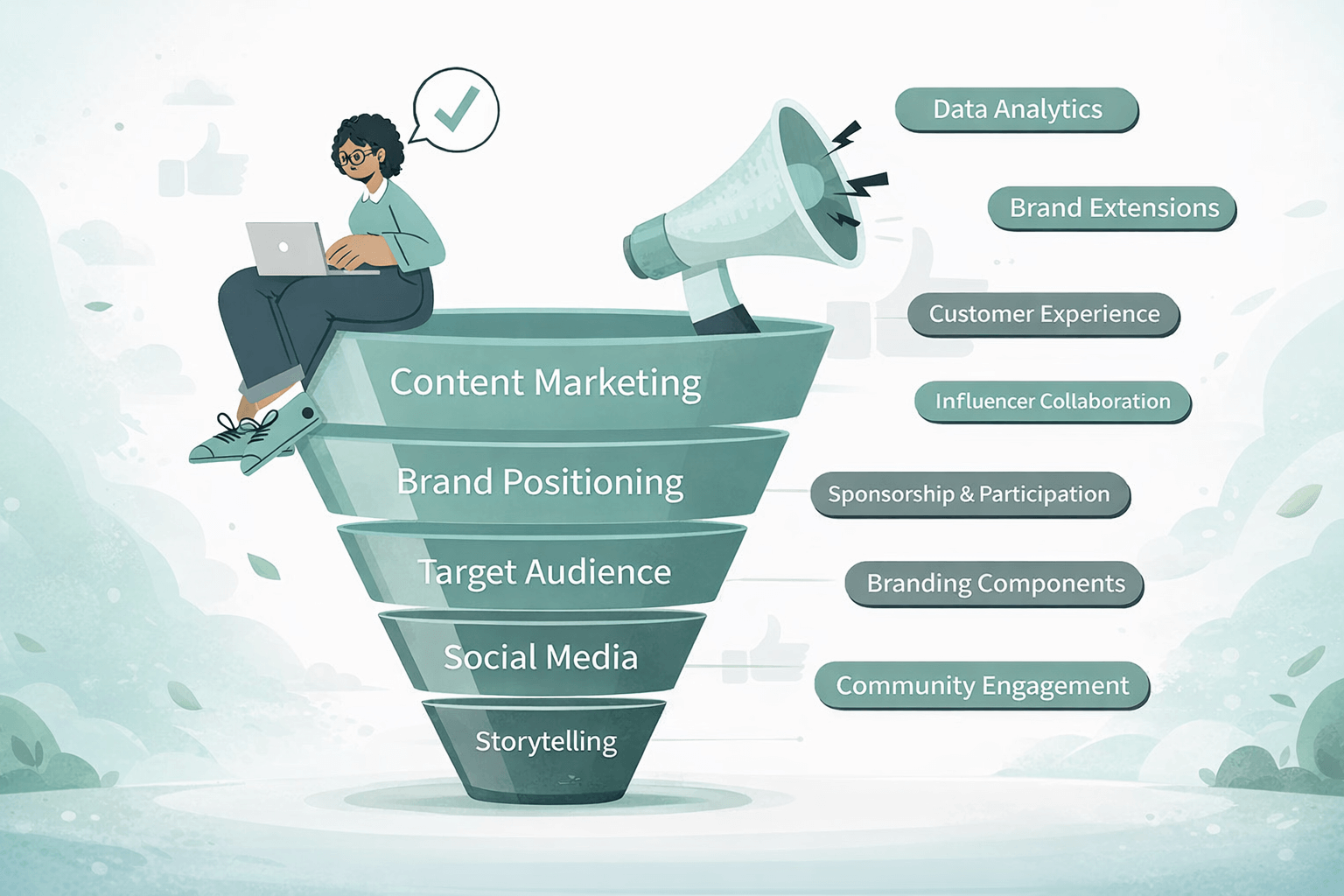
Brand perception also benefits. When consistency exists, trust deepens. Purposeful alignment strengthens branding & marketing efforts over time. Messaging feels unified rather than scattered.
Optimization becomes easier with clarity. Data informs decisions instead of overwhelming them. Teams act confidently because goals remain visible.
Even partnerships improve when purpose stays central. Collaboration works best when expectations align. Clear direction prevents miscommunication and delays.
Looking ahead, intentional choices protect adaptability. Change becomes manageable instead of disruptive. Growth feels natural rather than forced.
If your next digital move deserves clarity from start to finish, now is the moment to act. Purposeful decisions today create stronger outcomes tomorrow. Connect with the team behind thoughtful execution and let intention guide what comes next.