


Introduction to Mobile Driven Competitive Edge
When a Mobile App Becomes a Business Advantage, companies move beyond trends and focus on long term value. Mobile technology is no longer optional. Instead, it shapes how customers interact with brands each day. Because people rely on smartphones for shopping, booking, and communication, businesses must respond with clear strategy.
However, success does not come from launching an app alone. It begins with mobile development that aligns with real business goals. For example, an app can simplify purchasing, speed up support, or provide direct updates. As a result, customer satisfaction increases. Moreover, convenience builds loyalty over time.
At the same time, leadership must think about integration. An isolated platform creates friction. Therefore, alignment with core systems becomes essential. When mobile tools connect with broader digital assets, efficiency improves across departments.
Design also matters. Clean layouts and strong user experience planning reduce confusion. Because navigation feels natural, users complete actions quickly. Furthermore, thoughtful web design ensures visual consistency between website and app.
Visibility supports growth as well. While apps strengthen loyalty, SEO helps new users discover the brand online. Together, discovery and engagement create a balanced strategy.
Companies such as WebDev200 approach mobile strategy with this full perspective. They understand that advantage grows from coordination, not isolation. Consequently, businesses that treat mobile as part of a complete digital ecosystem gain stronger results and sustainable progress.
The Role of Web Development in Mobile Expansion
A mobile app rarely stands alone. Instead, it connects directly with the company website and backend systems. Because of this relationship, strong web development becomes a foundation for mobile growth.
For instance, many users first interact with a brand through its website. Later, they download the app for faster access. If both platforms share data smoothly, the transition feels seamless. However, if information differs, trust declines. Therefore, synchronized systems protect credibility.
In addition, technical performance influences perception. Fast loading pages and secure databases support both website development and mobile integration. When servers respond quickly, users experience fewer delays. As a result, engagement improves.
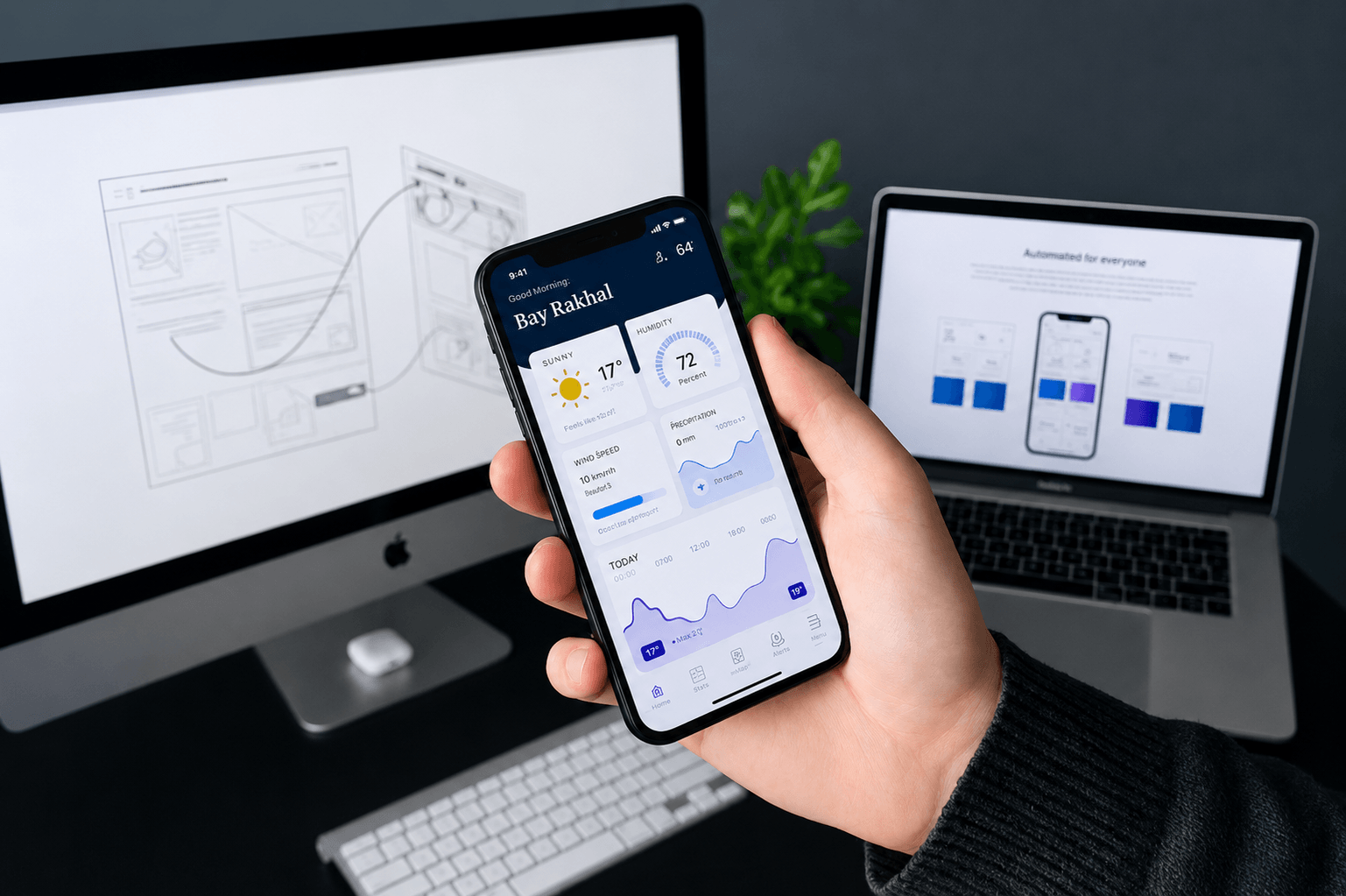
Responsive planning also strengthens adaptability. Although mobile apps operate differently, lessons from responsive design guide consistency across screen sizes and devices. This adaptability enhances usability.
Another important factor involves collaboration between teams. Skilled web developer professionals coordinate closely with mobile engineers. Because they share insights, they avoid duplication and errors. Moreover, clear communication reduces long term costs.
Search visibility further connects website and app success. Strong SEO strategies drive traffic to landing pages that encourage app downloads. Consequently, digital channels support each other rather than compete.
When web and mobile teams align goals, businesses gain stronger digital cohesion. Instead of fragmented experiences, customers encounter unified platforms. Over time, this consistency strengthens reputation and revenue growth.
The Role of Business Applications in Operational Impact
Beyond customer interaction, mobile platforms improve internal performance. Integration with business applications transforms daily operations. Because teams access live data through mobile dashboards, decisions happen faster.
For example, sales managers review performance metrics in real time. Field teams update records instantly. As a result, information remains accurate. Meanwhile, executives analyze trends through centralized systems. This transparency enhances strategic planning.
Efficiency increases when manual processes shift to digital workflows. Mobile forms replace paper documents. Automated alerts reduce delays. Consequently, productivity improves across departments.
Integration requires thoughtful coordination. Mobile features must connect securely with existing tools. Therefore, technical planning ensures stable communication between platforms. Without this connection, errors multiply.
Data insights also guide improvement. Usage patterns reveal bottlenecks. Because leaders monitor metrics continuously, they adjust processes quickly. This flexibility supports growth.
Furthermore, mobility strengthens collaboration. Employees access shared platforms regardless of location. As teams communicate instantly, project timelines shorten.
When companies align mobile systems with operational tools, they create measurable impact. Performance becomes visible. Decisions become informed. Ultimately, efficiency gains support stronger customer outcomes and higher profitability.
The Role of Interactive Design in Customer Loyalty
Engagement defines whether users return. Through effective interactive features, mobile platforms encourage participation rather than passive browsing. Because people value involvement, thoughtful interaction increases retention.
For instance, live chat options offer immediate support. Personalized dashboards adjust based on behavior. These features make the experience feel responsive. As a result, users stay longer and explore more.

Strong user experience planning ensures that interaction feels intuitive. Clear feedback guides each step. Buttons respond quickly. Animations signal progress. Consequently, frustration decreases.
Consistency across channels supports trust. When app visuals align with broader Branding & marketing efforts, recognition strengthens. Colors, messaging, and tone should feel unified. Therefore, customers perceive professionalism.
Engagement strategies also benefit from gamified elements. Reward systems motivate repeat usage. However, balance remains essential. Overcomplicated features may overwhelm users. Simplicity often delivers better results.
Additionally, analytics measure interaction quality. Data reveals which features attract attention and which cause drop offs. Because insights drive refinement, engagement improves steadily.
When interaction feels purposeful and aligned with brand identity, loyalty grows naturally. Over time, satisfied users become advocates. Their recommendations attract new customers, expanding reach and reinforcing competitive strength.
The Role of Branding and Marketing in Future Growth
Long term success requires more than technology. It depends on perception and positioning. Through coordinated Branding & marketing, businesses transform mobile tools into strategic assets.
A mobile app extends a company’s online presence. Because users engage daily, the brand remains visible. Push notifications share updates instantly. However, timing and relevance matter. Thoughtful communication preserves trust.
Marketing campaigns also encourage downloads. Website banners, email promotions, and social outreach guide traffic toward mobile platforms. As adoption increases, engagement deepens.
Alignment with design standards supports credibility. Visual consistency, clear messaging, and recognizable style create familiarity. Consequently, customers feel confident.
Future growth depends on innovation. Companies must update features regularly. Because markets evolve, adaptability sustains relevance. Strategic planning ensures each update aligns with broader goals.
Ultimately, competitive advantage arises from integration. Mobile strategy connects web, operations, interaction, and brand identity. When all components support each other, growth becomes sustainable.
If your organization seeks to strengthen its digital position, now is the time to invest in coordinated mobile solutions. With expert guidance and long term vision, your next app can become a powerful driver of business advantage.