

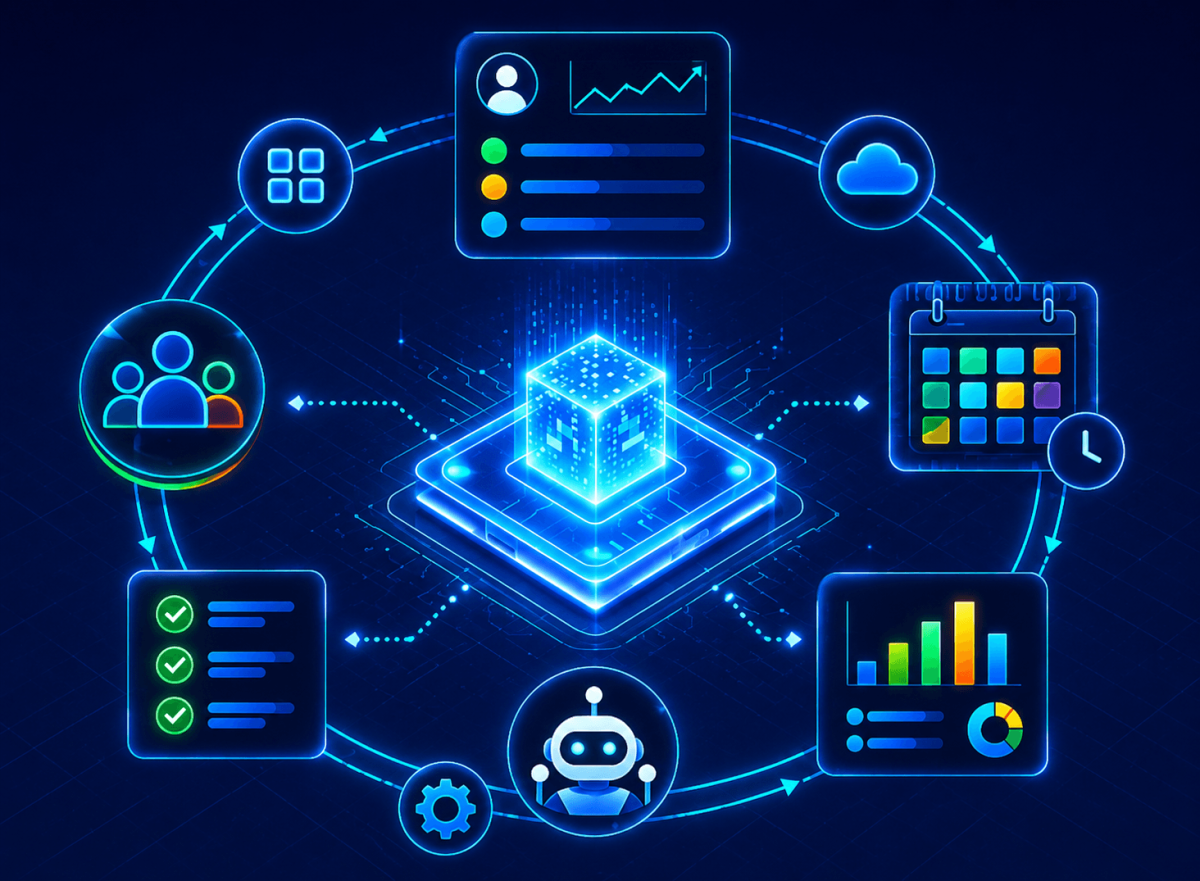
Moving Beyond Rigid Systems Toward Flexible Environments
Many organizations still operate on systems built for past demands. These tools were designed to complete fixed tasks, not to evolve alongside modern business needs. As expectations shift and operations grow more complex, these outdated structures begin to create friction instead of support.
Smart platforms introduce a new way of working. Rather than locking users into predefined processes, they adapt to changing requirements. This flexibility allows businesses to adjust quickly without disrupting their daily flow. Teams no longer need to work around limitations because the system supports how work actually happens.
A business workflow improves when tools reflect real operations. When systems align with how teams naturally function, tasks feel more intuitive. Employees spend less time navigating tools and more time completing meaningful work. This shift increases both efficiency and satisfaction.
Flexible environments also encourage collaboration. When systems are easier to use, communication improves. Teams can share information without barriers, which leads to faster decision making and stronger results. This creates a more connected and responsive workplace.
Over time, adaptability becomes a key advantage. Businesses that can adjust quickly are better prepared for change. They can respond to new challenges without slowing down. This ability to evolve keeps operations steady even in uncertain conditions.
A flexible system is not just a technical upgrade. It is a shift in how work is approached. It allows businesses to operate with greater ease, clarity, and control.
Reducing Manual Effort Through Intelligent Task Handling
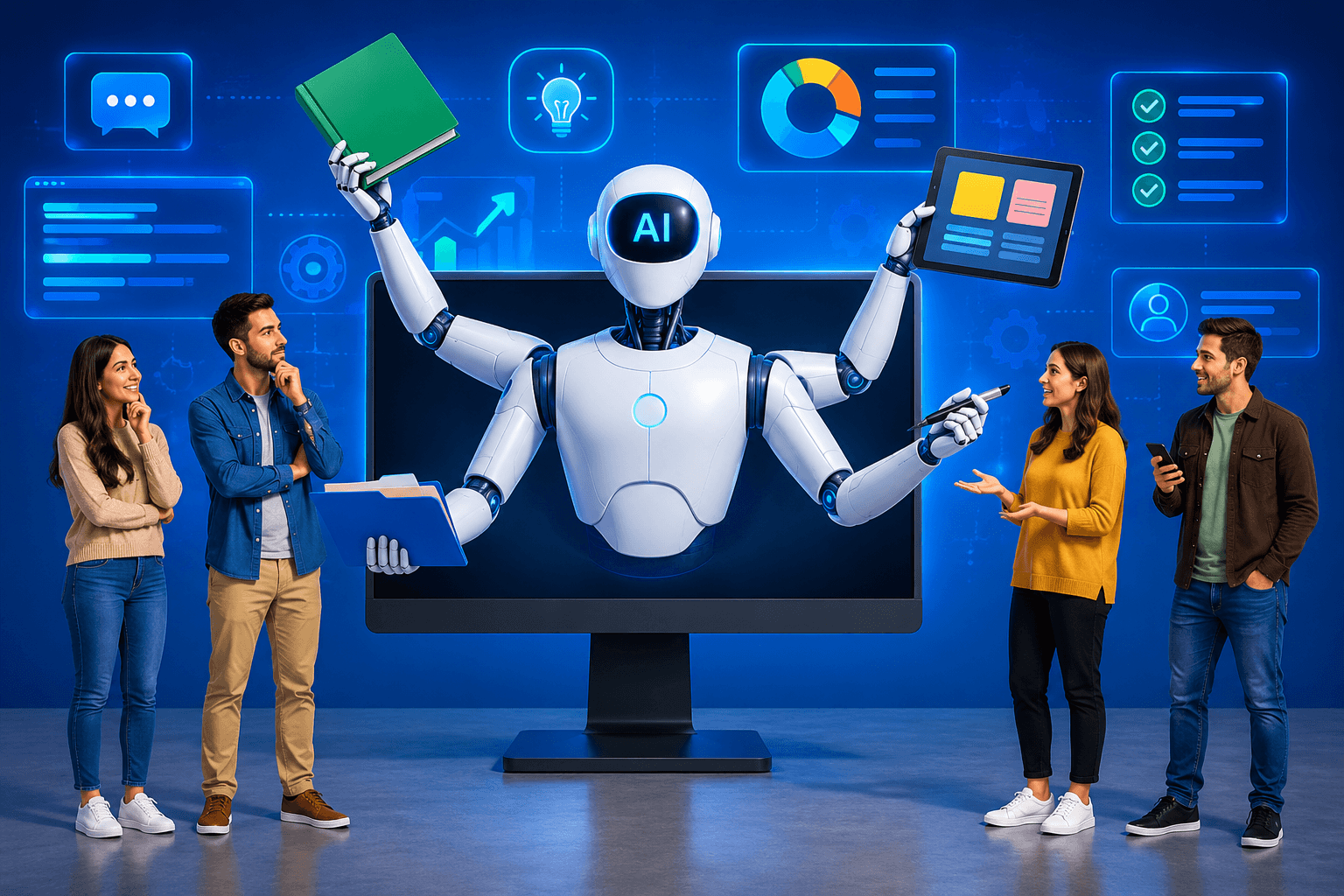
Repetitive tasks often take up a significant portion of the workday. These tasks may be necessary, but they rarely add meaningful value. Over time, they slow progress and increase the likelihood of errors.
Process automation offers a practical solution. By handling routine actions automatically, systems reduce the need for constant manual input. This ensures that tasks are completed consistently while freeing up time for more important work.
Efficient systems allow teams to focus on what truly matters. Instead of spending hours on repetitive steps, employees can direct their energy toward problem solving, strategy, and growth. This shift leads to better use of resources and improved outcomes.
Automation also improves accuracy. Human error becomes less common when processes are standardized. This creates a more reliable workflow that businesses can depend on every day. Consistency becomes a natural part of operations rather than something that requires constant attention.
In addition, reducing manual effort lowers stress. Teams are less overwhelmed when systems handle routine tasks. This creates a more balanced work environment where employees can perform at their best.
As businesses grow, the need for efficiency increases. Automation allows operations to scale without requiring a proportional increase in effort. This makes it possible to handle higher volumes of work without sacrificing quality.
By reducing unnecessary tasks, businesses create space for innovation. They can focus on improving their services, strengthening relationships, and exploring new opportunities.
Connecting Disconnected Tools Into One Unified Process
Modern businesses often rely on multiple tools to manage different aspects of their operations. While each tool serves a purpose, using them separately can create challenges. Information becomes fragmented, and processes become harder to manage.
Platform integration brings these tools together into one cohesive system. Instead of switching between applications, users can access everything in one place. Data flows seamlessly between functions, reducing the need for manual transfers.
Business optimization becomes more achievable when systems are connected. Teams can see a complete view of their operations. This visibility allows them to identify inefficiencies and make improvements more easily. Decisions are based on accurate and up to date information.
A unified process also improves communication. When everyone works within the same system, information is easier to share. This reduces misunderstandings and ensures that teams stay aligned. Collaboration becomes more effective because everyone has access to the same data.
Integration simplifies daily tasks. Employees spend less time searching for information and more time acting on it. This creates a smoother workflow that supports productivity at every level.
As operations become more complex, the value of integration increases. Businesses need systems that can handle multiple functions without creating confusion. A connected approach ensures that growth does not lead to disorganization.
One example of this can be seen in how Webdev200 develops platforms that bring systems together while maintaining simplicity and usability.
Turning Live Data Into Immediate Business Actions

Access to information has always been important, but speed has become just as critical. In a fast moving environment, delayed insights can lead to missed opportunities and slower responses.
Workflow improvement depends on having real time visibility into operations. When teams can see what is happening as it happens, they can act without delay. This ability to respond quickly creates a significant advantage.
Modern web tools present data in clear and accessible ways. Instead of overwhelming users with complex reports, they highlight the most relevant information. This allows teams to understand situations quickly and make informed decisions.
Real time insights improve accuracy. Decisions are based on current data rather than outdated information. This reduces risk and increases confidence in every action taken. Businesses can adjust their strategies as conditions change, ensuring that they remain aligned with their goals.
Immediate access to information also supports proactive thinking. Instead of reacting to problems after they occur, teams can identify potential issues early and address them before they escalate. This approach creates a more stable and controlled environment.
As data becomes more central to operations, the ability to use it effectively becomes a key factor in success. Businesses that can interpret and act on information quickly are better positioned to grow.
By turning data into action, organizations move from passive observation to active management. This shift transforms how decisions are made and how results are achieved.
Evolving Daily Operations With Smarter Digital Foundations
The way businesses operate continues to change as technology advances. Systems that once supported growth may no longer be sufficient. To remain competitive, organizations must evolve their approach.
Digital transformation provides a path forward. It introduces smarter systems that improve flexibility, efficiency, and overall performance. These systems are designed to adapt, allowing businesses to keep pace with new demands.
Webdev200 solutions support this evolution by creating platforms that are both powerful and easy to use. Their approach focuses on building systems that can grow with the business while maintaining stability.
Smarter foundations allow operations to expand without becoming more complicated. Processes remain clear, and systems continue to perform effectively even as demands increase. This balance is essential for long term success.
As workflows become more advanced, businesses gain greater control over their operations. They can manage tasks more efficiently, respond to changes more quickly, and deliver better results. This level of control creates new opportunities for growth.
Adapting to change is no longer optional. It is a necessary part of staying relevant in a competitive environment. Businesses that invest in modern systems are better prepared to handle future challenges.
The shift toward smarter platforms is not just about technology. It is about creating a more effective way of working. By embracing this change, businesses can improve their daily operations and build a stronger foundation for the future.
Upgrade your operations with smarter platforms today. Reach out to us to get started.