


The Online Expectations Shaping Modern Businesses
The digital world no longer feels separate from everyday business operations. For many companies, online experiences now shape first impressions before customers ever speak with a representative or visit a physical location. People expect faster communication, smoother websites, cleaner interfaces, and instant access to information. Businesses that fail to meet these expectations often struggle to maintain attention in increasingly crowded online spaces.
Modern consumers also move differently across digital platforms than they did a few years ago. Customers browse products on mobile devices, compare brands through social media, and expect websites to load almost immediately. Because of this shift, businesses are learning that digital performance affects trust just as much as pricing or customer service. A slow platform or outdated interface can quietly push potential customers elsewhere within seconds.
This changing environment explains why companies now invest more heavily in web development that focuses on functionality and long term adaptability. Modern websites are expected to do more than simply exist online. Businesses need platforms that communicate clearly, operate smoothly, and scale alongside growth. Strong development now supports customer engagement, operational efficiency, and digital visibility at the same time.
The online world has also become more competitive visually. Brands are expected to maintain consistency across websites, social media, email campaigns, and digital advertising. This is where marketing and branding continues becoming more connected with development itself. Businesses now focus on creating stronger digital identities that feel cohesive across every customer interaction.
Another major shift involves user behavior across devices. Customers move between desktops, tablets, and smartphones throughout the day. Businesses that fail to optimize for mobile experiences often lose engagement before conversations even begin. This explains the growing importance of responsive design and mobile development in modern business planning.
As online expectations continue evolving, businesses are beginning to understand that digital growth depends on more than trends alone. It requires systems, experiences, and platforms that remain flexible enough to adapt over time. Companies that approach digital strategy with long term functionality in mind often place themselves in stronger positions moving forward.
The Rise of Smarter Digital Systems and Applications
Businesses today manage far more information, communication, and operational tasks than they once did. Teams coordinate across departments, customers expect real time updates, and digital tools continue expanding in complexity. Because of this, companies increasingly rely on stronger internal systems to support daily operations in more organized ways.
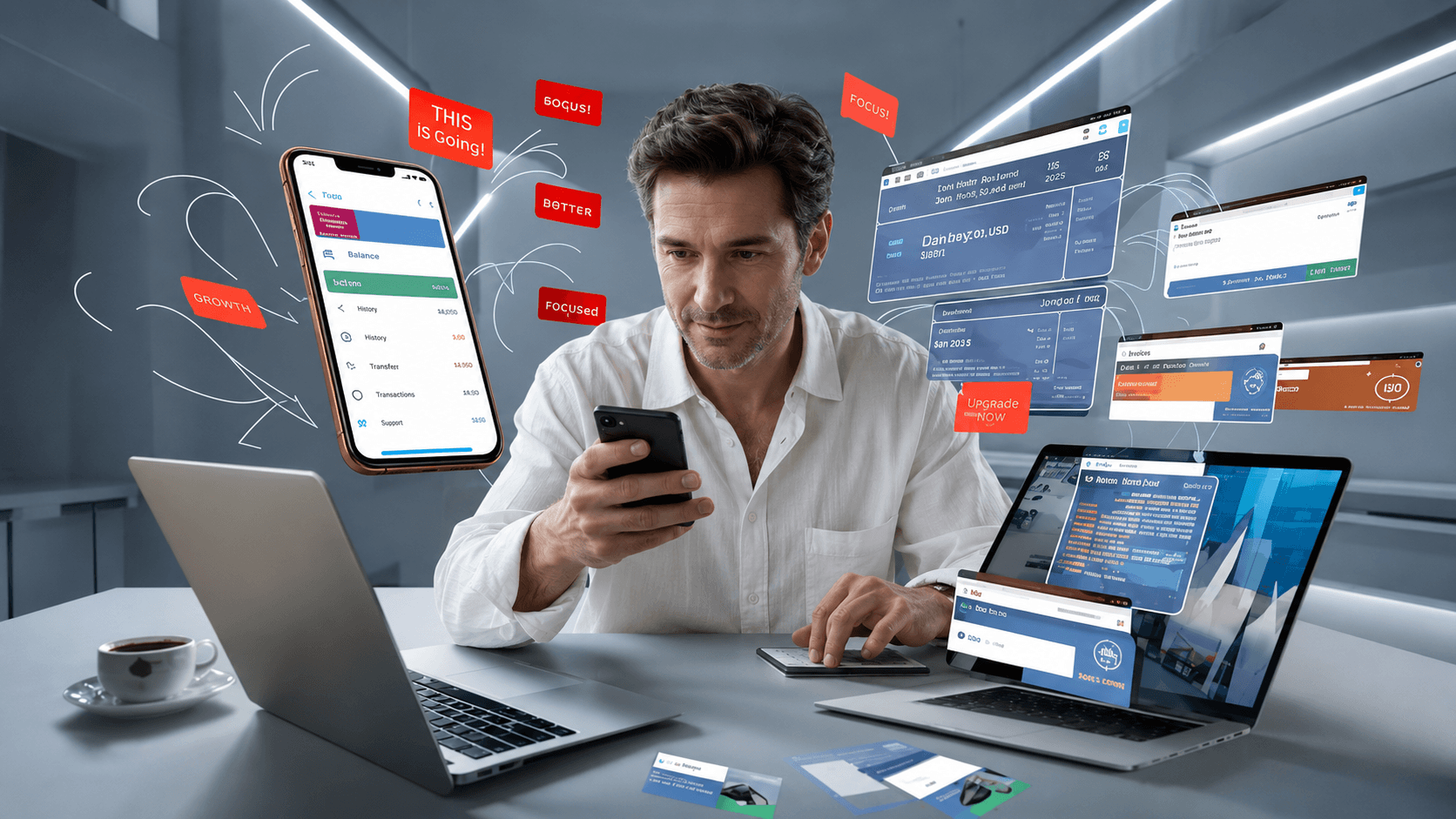
This growing demand explains the continued rise of business applications across different industries. Instead of relying on disconnected spreadsheets or outdated software, businesses now build centralized systems that simplify workflows and improve communication between teams. These applications help reduce repetitive tasks while improving efficiency behind the scenes.
Many companies also discover operational gaps as they grow. What works for a smaller business often becomes difficult to manage once customer volume increases. Internal reporting may become inconsistent, project tracking can slow down, and communication between departments may lose clarity. Custom digital systems help businesses address these problems before they create larger operational setbacks.
Modern applications also improve visibility across organizations. Businesses now expect access to reporting dashboards, integrated customer information, automated notifications, and smoother workflow management. These features help companies make faster decisions while improving overall organization internally.
The digital world additionally continues pushing businesses toward automation. Teams want systems that reduce manual work without removing flexibility. Automated scheduling, centralized communication tools, and integrated management systems all contribute to smoother day to day operations. As businesses continue expanding digitally, operational efficiency becomes increasingly valuable.
Scalability also remains one of the most important parts of modern application development. Businesses no longer want systems that become outdated quickly. Instead, companies look for platforms capable of adapting alongside future growth. Flexible architecture allows businesses to add features, support larger audiences, and improve performance over time without rebuilding everything from the beginning.
At the same time, user experience still matters deeply within internal systems. Employees work inside these applications daily, so functionality and simplicity directly affect productivity. Clean interfaces, organized navigation, and responsive layouts help teams operate more comfortably and efficiently throughout the workday.
As companies continue navigating digital growth, smarter systems are becoming less of a luxury and more of an operational necessity. Businesses increasingly recognize that stronger internal tools create stronger customer experiences externally as well.
The Digital Experiences Customers Notice First
Most customers may never see the technical work happening behind a business platform, yet they immediately notice how an online experience feels. Fast loading speeds, organized layouts, responsive design, and smooth navigation all shape customer perception within moments. Businesses now compete not only through products or services but also through the quality of their digital experiences.
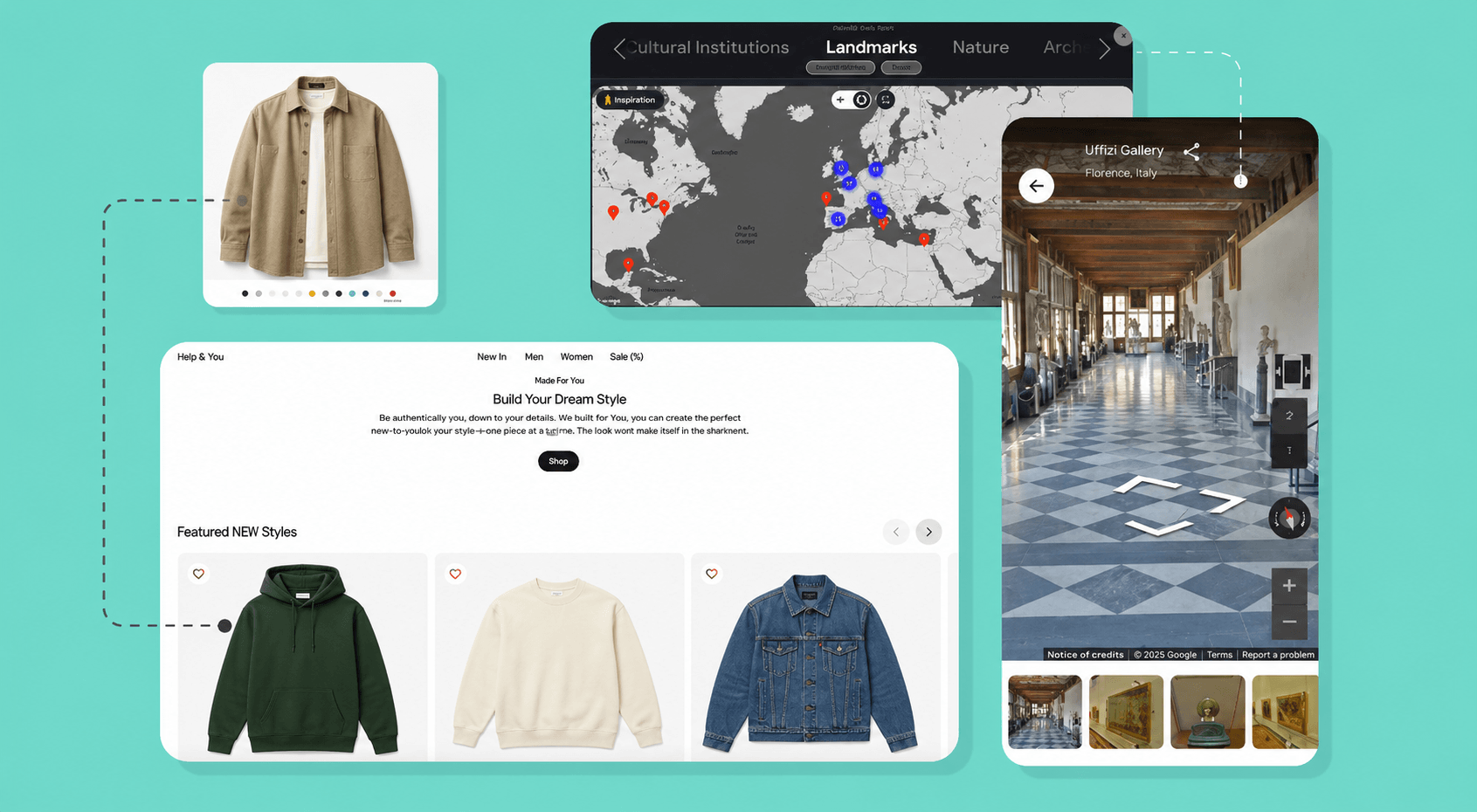
This shift has increased the importance of interactive experiences across websites and digital platforms. Customers expect online environments that feel engaging rather than static. Businesses now incorporate cleaner transitions, visual responsiveness, interactive tools, and more intuitive user flows to maintain attention longer and improve overall engagement.
The modern online environment also rewards simplicity. Customers want information quickly without feeling overwhelmed by cluttered interfaces or confusing layouts. Businesses that prioritize usability often create smoother interactions that encourage visitors to stay longer and explore more comfortably.
Mobile usage continues driving many of these expectations. People browse websites while traveling, shopping, commuting, or multitasking throughout the day. Because of this behavior, responsive layouts and adaptive interfaces now influence how businesses perform online overall. Strong mobile optimization directly supports customer retention and accessibility.
Digital trust also grows through consistency. Customers notice when branding, messaging, and design align naturally across different platforms. Businesses that maintain cohesive digital identities often create stronger recognition and greater credibility over time. This explains why design, branding, and development increasingly work together rather than operating separately.
Many businesses additionally underestimate how quickly online standards evolve. Features that once felt modern can begin appearing outdated within only a few years. Customers continuously compare experiences across industries, meaning businesses now compete against the quality of every digital interaction people encounter elsewhere online.
The online world therefore demands constant adaptability. Businesses must continue refining websites, improving interfaces, and responding to changing customer expectations as digital behavior evolves. Companies that stay proactive often create stronger engagement while positioning themselves more competitively in their industries.
As digital experiences continue shaping customer expectations, businesses increasingly understand that online functionality influences reputation just as strongly as direct communication or service quality itself.
The Direction Businesses Are Moving Toward Next
The future of digital business continues moving toward flexibility, connected systems, and more personalized online experiences. Companies are no longer focusing only on having an online presence. Instead, businesses now prioritize creating environments that improve communication, simplify operations, and support long term growth more effectively.
One major trend involves integration between multiple digital systems. Businesses increasingly want websites, applications, customer databases, and communication tools working together instead of operating separately. Connected platforms reduce inefficiencies while improving operational visibility across departments.
Artificial intelligence, automation, and predictive tools also continue influencing how businesses operate online. Companies are beginning to use smarter systems for customer support, workflow management, reporting, and digital communication. While technology keeps evolving rapidly, businesses still prioritize tools that improve everyday functionality in practical ways.
Customer expectations will likely continue rising as digital experiences become faster and more personalized. Businesses that remain adaptable often place themselves in stronger positions for future growth. Companies that resist change, however, may struggle to maintain engagement in increasingly competitive online spaces.
The role of flexibility also continues expanding across development strategies. Businesses now expect platforms capable of growing alongside changing operational needs. This includes scalable infrastructure, responsive interfaces, and systems that support future improvements without creating major disruptions later on.
At Webdev200, digital growth is approached through long term functionality rather than short term trends alone. Businesses require platforms that remain adaptable, organized, and capable of supporting both internal operations and customer experiences as technology continues evolving.
The online world will continue changing, yet the businesses that succeed are often the ones prepared to evolve alongside it. Strong development, connected systems, consistent branding, and responsive experiences all contribute to building more stable digital foundations moving forward.