


Meaningful Digital Relationships
Building a website is no longer the finish line for a business. Today, customers expect every digital interaction to feel simple, engaging, and purposeful. They browse products, complete purchases, submit inquiries, and compare businesses within minutes. Because expectations continue rising, organizations must create online experiences that encourage people to stay, explore, and return.
This shift explains why interactive solutions have become an important part of business growth. Rather than presenting static information alone, businesses now create websites and applications that encourage visitors to participate. Every click, form submission, animation, search feature, and personalized recommendation helps transform passive browsing into meaningful engagement.
Webdev200 understands that successful digital platforms begin with people rather than technology. Businesses may invest in advanced development tools, yet the real goal remains creating experiences that help customers accomplish their objectives quickly and confidently. Technology supports that goal, but thoughtful planning makes it successful.
What exactly are interactive solutions?
Many people assume interactive development simply adds visual effects to a website. However, true interaction goes much further. Interactive solutions allow visitors to communicate naturally with a digital platform. They can search information, customize products, request quotations, complete registrations, schedule appointments, or receive immediate responses without unnecessary confusion.
Why do businesses benefit from these interactions?
Every interaction teaches a business something about its audience. Customers reveal their interests through searches, purchases, inquiries, and navigation patterns. At the same time, businesses demonstrate reliability by making those interactions easy to complete. Consequently, both sides benefit from a smoother relationship built through useful digital experiences rather than one way communication.
Another important advantage involves trust. When users can easily find information, complete tasks without difficulty, and receive clear feedback throughout the process, confidence naturally increases. That confidence often influences future purchasing decisions more than advertising alone.
Interactive solutions also contribute to stronger online presence because satisfied visitors spend more time exploring websites and sharing positive experiences. Search engines also recognize websites that provide valuable engagement, helping businesses improve visibility while attracting additional visitors over time.
Digital relationships therefore depend on much more than attractive pages. They depend on creating meaningful opportunities for customers to participate, communicate, and complete their goals successfully. Those interactions become the foundation for stronger business growth across every digital environment.
Interactive Experiences and Brand Recognition
How do interactive solutions help brands connect with their audiences?
The answer begins with participation. Traditional websites often provide information without encouraging visitors to take action. Interactive websites invite people to become part of the experience instead. Every search tool, calculator, booking feature, interactive gallery, product configurator, and customer portal creates another opportunity for meaningful engagement.
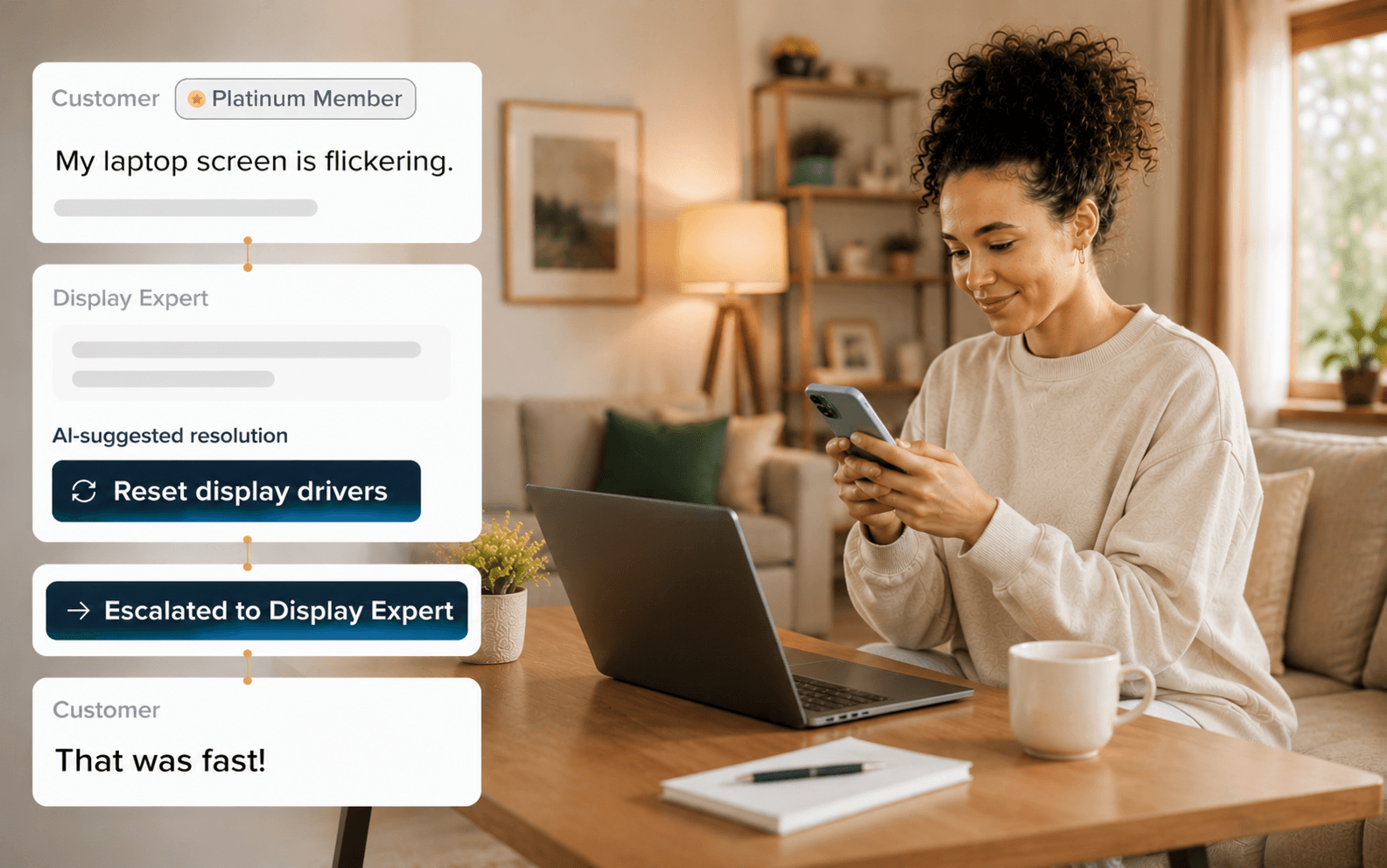
Interaction also improves user experience because customers receive immediate feedback while navigating the website. Instead of wondering whether an action succeeded, users receive confirmation, recommendations, or the next logical step. This continuous guidance helps reduce uncertainty while encouraging visitors to continue exploring.
Another question many businesses ask is whether interaction directly supports brand growth.
The answer is yes. Brands become memorable when customers enjoy using their digital platforms. A website that responds quickly, guides visitors naturally, and simplifies complex tasks creates positive impressions that often continue long after the session ends. Consequently, businesses strengthen customer loyalty while encouraging repeat visits.
Professional services also contribute to this process by helping organizations identify the features that best match their audience. Every business operates differently. Therefore, interactive development should reflect customer expectations rather than following identical templates. Personalized solutions create more relevant experiences because they address real customer needs instead of generic assumptions.
Another essential factor involves responsive design. Customers now move between desktop computers, tablets, and smartphones throughout the day. Interactive features should therefore perform consistently regardless of screen size. Whether completing a purchase during a commute or browsing products from home, users expect reliable performance across every device.
Businesses also benefit from stronger SEO because interactive websites often encourage longer visits and higher engagement. While search optimization depends on many factors, valuable content combined with meaningful interaction supports stronger digital visibility. Better engagement signals that users find the website useful, contributing to improved long term performance.
Ultimately, interactive development succeeds because it transforms digital communication into ongoing conversations. Businesses no longer speak only to their customers. Instead, they create environments where customers actively participate, explore solutions, and develop stronger relationships with the brand.
Mobile Accessibility Across Every Customer Journey
Can interactive solutions succeed without strong mobile development?
They can certainly create engaging experiences on desktop devices. However, they cannot deliver consistent value if those same experiences fail on smartphones and tablets. Today, customers expect to complete nearly every digital activity while using a mobile device. Whether checking business information, purchasing products, scheduling appointments, or communicating with support teams, convenience has become a basic expectation rather than an added benefit.
This shift explains why mobile development naturally complements interactive design. An interactive website may encourage participation, yet mobile development ensures those interactions remain smooth regardless of where customers access the platform. Together, both approaches create digital environments that feel consistent from one device to another.
Another common question involves website development.
How does mobile development improve website performance?

The answer begins with accessibility. Businesses should never assume customers will visit only from desktop computers. Mobile devices now represent a significant portion of online activity. Therefore, every feature should remain easy to access, simple to navigate, and responsive across different screen sizes. Customers should complete tasks without unnecessary zooming, excessive scrolling, or confusing layouts.
Professional Website design also supports this goal by organizing information according to user behavior instead of forcing visitors to adapt to the technology. Clear navigation, readable content, logical page organization, and intuitive buttons all contribute to experiences that encourage continued engagement.
Many organizations also work closely with an experienced web developer because interactive features and mobile functionality require careful planning. Adding more features does not always improve the customer experience. Instead, successful development focuses on creating tools that genuinely help users accomplish their objectives while maintaining speed and reliability.
Businesses also benefit from combining interactive websites with mobile friendly experiences because customers rarely follow a single digital path. Someone may begin researching products on a phone, continue browsing on a laptop, and complete a purchase later using a tablet. Maintaining consistency across every touchpoint strengthens trust while encouraging customers to continue their journey without interruption.
Interactive development and mobile development therefore work together rather than competing with one another. One encourages meaningful participation, while the other ensures those interactions remain available wherever customers choose to connect.
Lasting Value Through Connected Experiences
Technology continues evolving, yet one principle remains consistent. Businesses succeed when customers can interact easily, find information quickly, and complete important tasks without unnecessary obstacles. Interactive development supports those goals by encouraging participation, while mobile development extends those experiences across every device customers use throughout the day.
Organizations investing in thoughtful digital solutions often discover that stronger engagement begins with understanding customer behavior rather than simply adding new features. Every interactive element should serve a clear purpose. Likewise, every mobile experience should make communication faster, simpler, and more accessible.
When these elements work together, businesses create stronger relationships that encourage trust, repeat engagement, and long term growth. Instead of viewing websites as digital brochures, organizations transform them into valuable business tools that support communication, customer satisfaction, and operational success.
If your business is ready to strengthen customer engagement through interactive and mobile development, contact us to learn how thoughtful digital solutions can help create stronger connections that continue delivering value long after the first visit.