


Audience Needs and the Reasons Behind Meaningful First Looks
Audience engagement starts with a reason to care. A business owner searching for better inquiries needs a different message from a customer comparing product features. Therefore, the opening line should connect with a real task, concern, or goal. A striking image may earn a glance, but a useful promise gives someone a reason to continue.
For Webdev200, that connection sits between brand strategy, content, and the digital experience that follows. Its published approach includes audience discovery, creative development, campaign execution, and performance review. However, a business still needs to decide whom it wants to reach and what that person needs next. Those choices help turn a broad promotional idea into a focused conversation.
Why do people ignore marketing that looks polished? Often, the message gives them little help deciding whether the offer matters to them. Claims such as better quality or excellent results need context that readers can assess. Instead, describe the customer problem, explain the offer, and show evidence that supports the promise.

Start by reviewing questions from sales calls, support requests, and customer emails. Look for repeated concerns about cost, suitability, timing, or the work involved. Then choose a concern that your business can address clearly and honestly. This gives your next campaign a useful starting point without guessing what everyone wants.
A strong online presence should carry that understanding across the places where people encounter your business. A social post, search result, and landing page may use different formats while still expressing the same offer. Otherwise, visitors must work out whether they reached the right company or page. Familiar language and consistent visual cues help connect those encounters.
Positioning also gives people a reason to remember the offer. Ask who the business helps, which problem it addresses, and why its approach suits that need. For a closer discussion, explore this article on standing out in a crowded digital market. Then use those answers to make the campaign more specific rather than simply more noticeable.
Relevant Messages and Solid Proof Beyond the Opening Promise
Professional services become easier to evaluate when a page explains the problem they solve. Someone planning a campaign may need clearer messaging, while another business needs a better destination for incoming visitors. Therefore, define the expected outcome before choosing creative work or technical changes. Audience engagement improves as a planning goal when each activity has a clear purpose.
Effective web design can give that message a visible order. Place the main offer where visitors can recognize it, then support it with relevant details and an obvious next action. Meanwhile, avoid surrounding the central message with competing promotions. Every extra demand on attention should earn its place on the page.
What counts as useful proof? A relevant example, a clear demonstration, or a documented customer result can help answer a buyer’s doubts. However, explain the context and obtain permission before publishing private client information. Broad praise offers less guidance than evidence that connects directly with the decision someone needs to make.
A thoughtful user experience also allows visitors to explore without pressure. Someone who needs more detail should find an explanation before a sales request. For example, link a short discussion of brand positioning to a fuller article, or connect a project overview with the relevant offering. Helpful links make the next click a useful choice rather than a detour.
Similarly, responsive design should keep important content usable across screen sizes. Check that text remains readable, controls stay accessible, and forms work on the devices your audience uses. Also, review whether banners or images push essential information too far from view. A message loses practical value when people cannot reach or use what follows it.
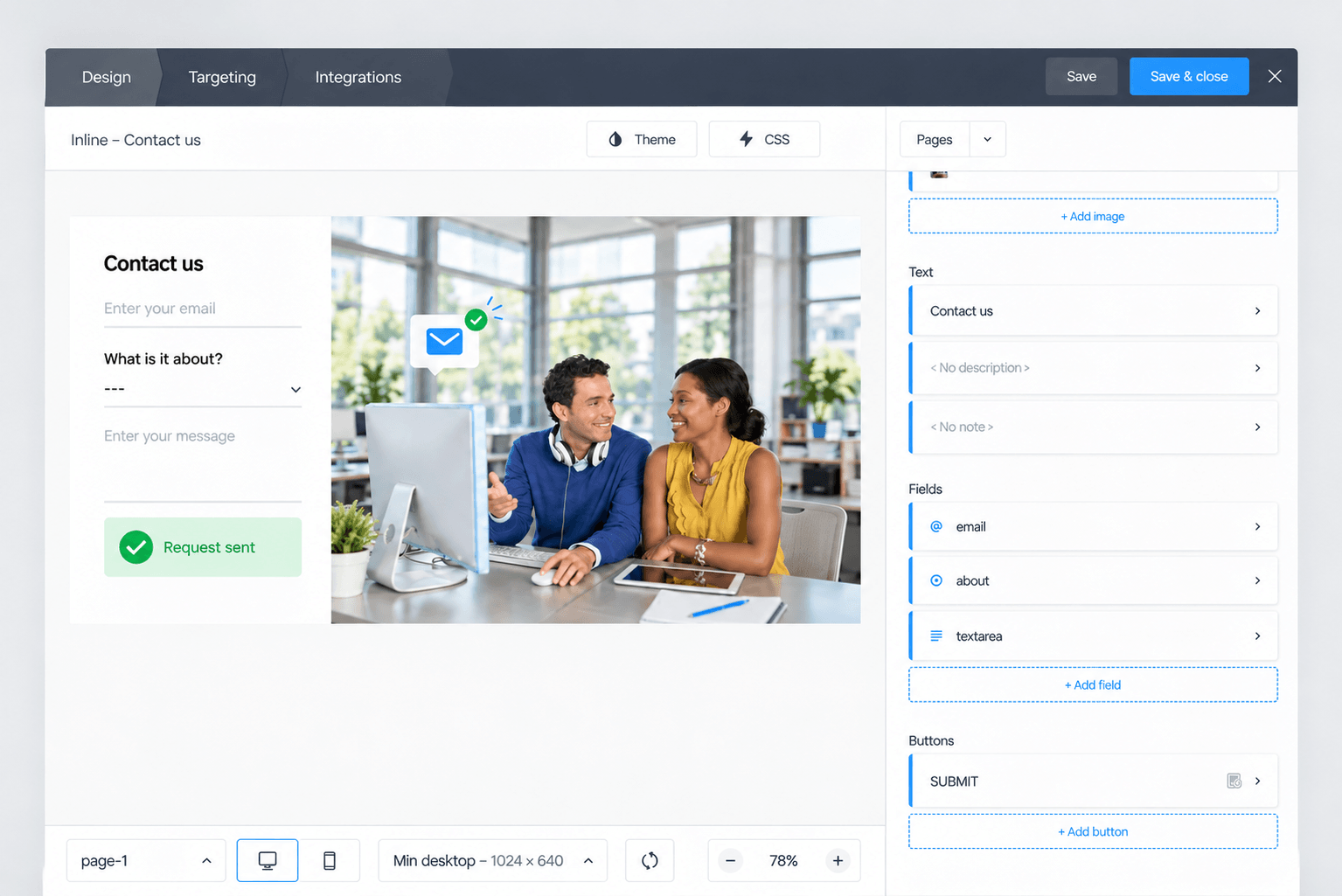
Clear website development supports the actions behind the campaign. A contact form should submit correctly, and a request should reach the person responsible for responding. Before launch, follow the route from the promotion through the page and into the inquiry process. This checks whether the promised next step actually works for a prospective customer.
What should the main button say? Describe the action and the likely outcome for readers, such as requesting a project discussion or viewing an example. Then make sure the destination matches that wording. A vague label can leave readers uncertain about whether they will see more information, send a request, or begin a purchase.
Search visibility matters as well, so SEO should reflect questions the page genuinely answers. Use descriptive wording, accurate page information, and links that help readers understand related subjects. However, avoid forcing unrelated terms into the copy merely to attract more visits. Relevant traffic gives audience engagement a more useful basis than attention from people who need something else.
Brand Consistency and Clear Next Steps After the First Click
Good marketing & branding connects the promise people notice with the experience they receive. Brand choices should guide the message, imagery, and offer across each campaign. Meanwhile, results should inform what the team improves rather than merely confirm its first idea. You can explore the brand strategy and campaign process to see how discovery, creative work, execution, and review connect.
Does engagement always mean a sale? No, a visitor may read a detailed explanation, explore a related page, or return when the need becomes more urgent. However, define which actions matter to the business before reporting success. Otherwise, an increase in clicks may hide a decline in useful inquiries.
An experienced web developer can help connect campaign goals with the site’s practical behavior. Discuss form handling, page performance, mobile use, and measurement needs before approving the work. Then check that the team can maintain the content after launch. A campaign should remain useful when prices, project examples, or customer questions change.
To assess audience engagement, compare the message people clicked with what they found afterward. Look at relevant inquiries alongside page visits, and ask prospects what information helped them decide. Also, check whether a popular article leads readers toward a useful next page. These signals can reveal a gap between attracting attention and helping someone move forward.
When testing a change, begin with a clear question about the existing page. You might ask whether a clearer opening explains the offer better or whether a more specific button helps visitors choose. Change a focused element, then review the results with traffic quality and timing in mind. This gives the team a stronger basis for decisions than a personal preference alone.
Useful content also deserves a clear follow up plan. Decide who reviews new inquiries each day, what information they need, and how the business explains the next step. Meanwhile, avoid asking visitors for details that serve no clear purpose at first contact. A smaller, relevant request can make the exchange easier to understand without promising any particular improvement in conversion.
Audience engagement deserves a plan that continues after the click. Give readers useful explanations, credible evidence, and relevant links before asking them to make a commitment. Then make the next action clear and explain what they can expect from contacting your business. To discuss a campaign, brand message, or website improvement, start a conversation with the team.