


How Can You Grow Digital Skills with Real Progress
How can digital skills truly be developed with measurable progress when learning independently? Many start strong but lose direction because they rely only on scattered lessons and trends. The real key is to create a process that builds confidence and control through structured learning.
This guide explores how to turn independent learning into practical skill growth. Each step focuses on shaping a mindset of consistency and creativity that allows your abilities to mature naturally. By following this process, you not only build knowledge but also learn how to apply it with purpose.
Set Structure Around Your Learning
Growth begins when learning becomes organized. Without structure, lessons fade quickly and progress stalls. The first step is to design a routine that guides your efforts. Set specific hours each day to study and practice. Keep a written plan of what you’ll focus on, design principles one week, content structure the next.

Every learner works differently, but structure creates accountability. It builds direction that keeps you consistent even when motivation drops. Start small, then expand your schedule once your rhythm feels natural.
When structure supports your learning, each topic connects to the next. You begin to understand how design thinking shapes services, or how technical logic fits into platforms like Webdev200. That’s when study turns into strategy, and strategy turns into growth.
Create a Focused Environment
Your environment shapes your attention more than your motivation does. Distractions can break focus even in the most determined learners. Create a space that tells your mind it’s time to learn. It doesn’t have to be elaborate, just intentional.
Choose a quiet spot with good light and limited noise. Keep your workspace minimal but inspiring enough to trigger creativity. Avoid using the same area for both work and relaxation. This separation helps your brain switch into learning mode quickly.
A focused space isn’t only physical. It’s also mental. Begin each session by setting a clear goal. That purpose keeps your effort aligned. Over time, your environment becomes a place of creation, reflection, and clarity, the essential setting for digital learning and creative focus.
Apply Creativity Through Practice
Learning theory is important, but real improvement comes from doing. Every creative skill grows when knowledge is applied. After reading or watching lessons, test what you’ve learned immediately. Build mock projects, write short content pieces, or redesign existing ideas with new methods.
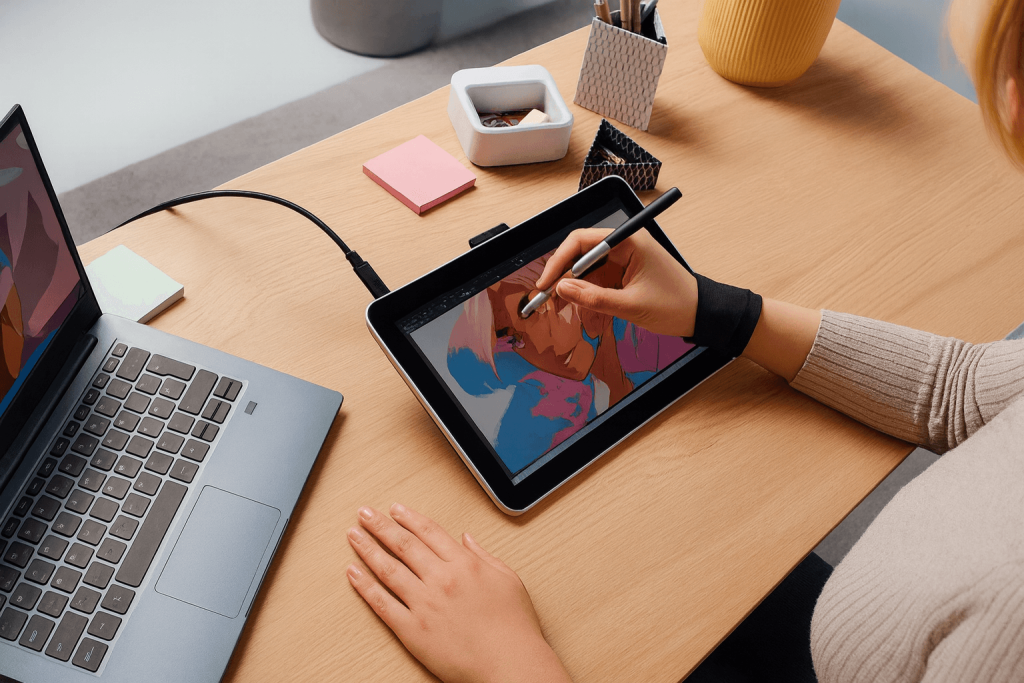
Creative application reveals both strengths and weaknesses. You’ll discover which skills come naturally and which need refinement. This awareness shapes precision and confidence.
Practical work deepens understanding. In creative design, it teaches how balance and proportion define visual impact. In branding, it shows how emotion connects to perception. In content development, it improves how ideas are structured and communicated.
Each project, even small ones, becomes proof of progress. The more you create, the more clearly you see your direction. Practice is the turning point where knowledge transforms into usable skill.
Measure and Review Progress
How do you know when your learning is paying off? The answer comes from a review. Regular reflection turns effort into insight. Compare current projects to earlier work, the improvement in clarity and confidence will often surprise you.
Reviewing your work weekly keeps growth visible. Note what has improved and what still feels uncertain. This observation helps plan your next learning goals with purpose and precision.
Confidence grows when you can explain your process clearly. Teaching a concept to another learner strengthens your understanding. It also mirrors the way professionals in marketing strategy or user experience refine and communicate their work.
Feedback supports this stage too. Sharing your projects opens the door to critique that shapes better habits. Every round of feedback reveals a new angle or method that enhances your development.
Maintain Consistency for Mastery
Skill mastery is not a single milestone, it’s steady repetition with purpose. The last step is commitment. Daily effort, even in small doses, compounds into expertise. Instead of rushing toward results, focus on sustaining progress.

Set weekly checkpoints to maintain awareness. When challenges appear, adjust your method rather than stopping. Consistency trains your mind to treat learning as a practice, not a performance.
This steady pace builds resilience. Over time, every session contributes to professional growth. What once felt complex becomes natural flow. That’s when skill stops being something you study and starts becoming who you are.
Your Next Step Toward Digital Growth
So how can digital skills truly be developed with measurable progress? By following the process you’ve now explored. Structure creates direction. The environment strengthens focus. Practice transforms theory. Review brings awareness. And consistency turns all of it into mastery.
The next step is yours to take. Begin by setting your structure today. Build your space, choose your first topic, and commit to daily creative work. With every small action, you’ll move closer to understanding not only digital systems but your own creative rhythm.
Learning effectively means staying curious and grounded. Each new project builds skill, and each reflection brings confidence. Continue growing, not through pressure, but through purpose. Your journey toward lasting online education and digital learning starts with how you shape today.