


Design Season for the Always Online Era
The current digital landscape demands fresh thinking and faster shifts in creative work. Brands now compete in spaces that are active at all hours, across devices, platforms, and regions that never slow down. This is why the idea of Design Season becomes so important. It reflects a moment when teams reassess visual structure, rethink online identity, and prepare for continuous updates that match the pace of modern users. Because audiences move quickly, design now serves as a bridge between attention and action, shaping how people navigate digital environments with ease.
Design Season also marks a shift in expectations. People want visual clarity and smooth interaction the moment they land on a page. They expect sites to load fast, look polished, and feel intuitive without any learning curve. Even small adjustments in alignment, spacing, color, or layout can influence how audiences interpret a message. This leads brands toward renewed focus on foundational design choices that guide the entire digital presence. As Design Season influences online strategy, teams begin to develop more consistent patterns, clearer layouts, and stronger identity cues to support growth.
However, expectations extend beyond the surface. As people explore digital platforms daily, they evaluate structure, meaning, and experience in seconds. Therefore, Design Season becomes a blueprint for building flexible systems that adapt with time. Because new platforms appear and trends evolve, this approach helps brands stay ready for shifts in online behavior. Although many components of design are complex, the core idea is simple. Digital consistency across touchpoints allows brands to grow even when audience habits shift quickly. This makes Design Season an essential signal for brands that want to stay relevant in the always online era.
Creative Identity for Digital First Brands
A clear creative identity helps define how a brand is perceived across an expanding set of digital locations. Because people scroll, click, browse, and search through countless pages daily, visual identity must stand out in subtle yet effective ways. During Design Season, teams focus on structure and tone by examining how each element appears on screen. They inspect color groups, grid systems, typography choices, and spacing because every piece contributes to brand clarity. When these components align, audiences gain an instant sense of recognition the moment they encounter a brand.
Additionally, people value consistency across devices. They use phones, tablets, laptops, and wide displays with different expectations in each environment. Therefore, Design Season becomes an opportunity to review online elements and correct inconsistencies that may distract users. Many teams also evaluate their services to understand which visual cues need updating. This helps prevent design fatigue while creating stronger cohesion across visual touchpoints.
Because audiences interpret design through personal experience, brands must adopt flexible systems that adapt to many scenarios. Clear identity choices allow teams to refresh specific components without disrupting the entire structure. This agile process becomes vital during Design Season, when new goals and platforms shape long term creative direction.
Interface Choices for the Always Online User
Digital interaction has evolved. People expect sites and platforms to respond quickly, load cleanly, and guide them without friction. Because of this, Design Season encourages teams to review interface layouts to ensure users can complete tasks without confusion. Clean alignment lines, readable text blocks, and predictable structure all play a part in shaping how visitors interact with content. Clutter creates hesitation, but clarity builds trust. This is why interface refinement becomes one of the core goals during Design Season.
Additionally, brands now communicate across multiple environments with distinct rules. Some platforms highlight visuals, while others emphasize text or movement. Because of this complexity, the process of shaping interfaces requires careful review of structure and layout. Teams assess spacing, position, weight, and transitions to ensure people feel oriented at every step. During this stage, the impact of user experience becomes clear. Thoughtful digital interfaces help people move through information without stress, creating stronger connections and fewer drop offs.
This level of care helps brands respond to the fast pace of online interaction. As Design Season continues, teams refine their visual map to remove unnecessary steps or confusion points. This creates surfaces that feel lighter, clearer, and easier to explore. The always online era rewards brands that maintain simplicity even as technology advances. This keeps users engaged in a world where attention shifts quickly.
Digital Structure for the Always Online Landscape
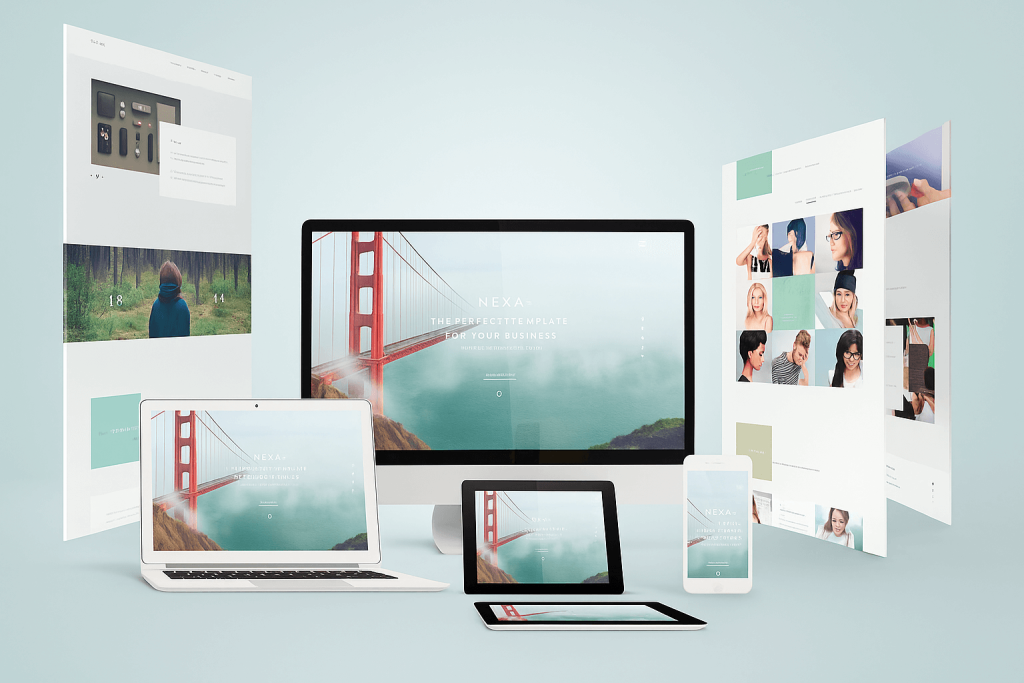
Design Season also invites deeper evaluation of digital structure. While visuals set the tone, the underlying framework shapes the real experience. This includes layout systems, modular components, and responsive grids that adapt to screen changes. Many brands rely on consistent frameworks to maintain visual stability while expanding across new channels. Because digital interactions occur nonstop, structure needs to be flexible enough to support updates, yet stable enough to guide long term growth. This balance becomes a defining part of Design Season.
Additionally, brands now face higher expectations for clarity. People move from social feeds to landing pages and then to product information in seconds. If the digital structure feels inconsistent, audiences lose confidence. This is why many teams turn to partners like Webdev200 to refine their structure from the foundation. This includes organization of elements, layout flow, and patterns that create stronger continuity across touchpoints.
Because digital environments evolve quickly, Design Season encourages teams to think about long term adaptability. Structure becomes the core that allows brands to update visuals without losing identity. With clearer systems in place, brands respond to shifting platforms more effectively. This supports growth throughout the always online landscape where users expect both clarity and consistency every time they log in.
Future Ready Vision for Digital Growth
Design Season closes with a renewed focus on long term growth. Brands look ahead to emerging tools, screen formats, and interaction trends that shape user behavior. Because digital expectations rise each year, teams consider how visual identity can evolve while staying grounded in clear structure. The goal is to create a system that lasts beyond seasonal updates. This steady mindset allows brands to grow without losing clarity during rapid shifts in technology.
Additionally, teams evaluate how their presence appears across the full digital ecosystem. They refine decisions that shape visual memory, ensuring that each encounter feels cohesive and recognizable. And because brands now operate in real time across platforms, this consistency helps build stronger audience trust. During this final phase of Design Season, teams also explore new creative opportunities that push identity forward. This includes reviewing their interface services to ensure they match evolving audience behavior.
Because digital interaction will only grow more complex, brands need systems that scale with confidence. A clear design foundation creates room for exploration, expansion, and innovation. When the time comes to refine your digital identity, consider how your design decisions shape audience connection across the always online era. When your team is ready to elevate structure, strengthen identity, and move forward with clarity, take the next step and bring your Design Season to life with a partner that understands both vision and execution.