


Cloud Platforms Building Strong Digital Foundations
Cloud platforms are services that let companies store and use technology through the internet instead of building it themselves. Examples include Amazon Web Services (AWS), Microsoft Azure, and Google Cloud. These platforms give businesses the tools to run websites, apps, and even artificial intelligence without needing big servers in their offices.
The reason cloud platforms are so important is because they allow businesses to grow fast. If a company suddenly gets more customers, it can simply use more cloud resources instead of buying new machines. That flexibility makes them future ready.
Cloud platforms also make interactive systems possible. Think of streaming movies, online shopping, or customer support chatbots. These all depend on cloud services that work behind the scenes. They also keep data safe and available from anywhere in the world, which is why almost every industry now uses them.
Enterprise Platforms Supporting Daily Business Operations
Enterprise platforms are big systems that help companies manage everyday work. They connect different parts of a business, like sales, customer service, and supply chain management. Examples include Salesforce, SAP, and Oracle.
Instead of using many small tools that do not talk to each other, enterprise platforms bring everything into one system. This makes work faster and more organized. For example, when a sales team closes a deal in Salesforce, the system can update the inventory and billing records at the same time.
Interactive systems inside enterprise platforms make it easier for workers, partners, and customers to stay connected. They reduce mistakes and create smoother processes. Because these platforms can grow with the company, they are considered future ready. Businesses can add more features as they expand without starting over.
How Do Social and Digital Platforms Shape Connection
Social and digital platforms are the online spaces where people connect and share. They include Facebook, TikTok, and LinkedIn. These platforms are built to encourage communication, creativity, and interaction.

For businesses, social and digital platforms are powerful tools. They let companies talk directly with customers, promote products, and even sell through built-in marketplaces. The interactive nature of these platforms is what makes them special. A live video, a short message, or a customer review can reach thousands of people in seconds.
These platforms also keep changing to match user behavior. New features appear regularly, such as stories, reels, or live shopping. That ability to evolve is why they are called future ready. They adapt quickly, and businesses that use them well can keep up with shifting customer trends.
Development Platforms Powering Apps and Digital Products
Development platforms give creators the tools to build apps, websites, and online services. Examples include Android, iOS, and modern web frameworks. These platforms act like toolkits for developers, letting them create the apps that millions of people use every day.
Interactive systems depend on development platforms. For example, a mobile banking app allows customers to transfer money, pay bills, and receive alerts in real time. The app works smoothly because developers built it on a strong platform like iOS or Android.
The strength of development platforms is that they are always updated. They add new features, improve security, and make sure apps work on the latest devices. This constant growth makes them future ready. Companies using these platforms can keep creating products that meet customer expectations without falling behind.
Data and AI Platforms Turning Information into Action
Data and AI platforms are systems that help businesses understand and use information. Popular examples include Snowflake, Databricks, and the OpenAI API. These platforms take in huge amounts of data, process it, and turn it into useful insights.
Artificial intelligence, or AI, is often built into these platforms. It allows systems to learn from data and make predictions. For instance, an AI platform might study customer shopping habits and suggest products they are most likely to buy. This makes the shopping experience more personal and interactive.
Future ready platforms in data and AI are important because they keep learning. They do not stay the same. The more information they receive, the smarter they get. That constant improvement helps businesses stay ahead by making better decisions faster.
IoT and Edge Platforms Connecting the Physical and Digital
IoT (Internet of Things). It describes physical devices that connect to the internet and share information. Examples include smartwatches, home assistants, and connected cars. These devices can collect data and act without people always controlling them.
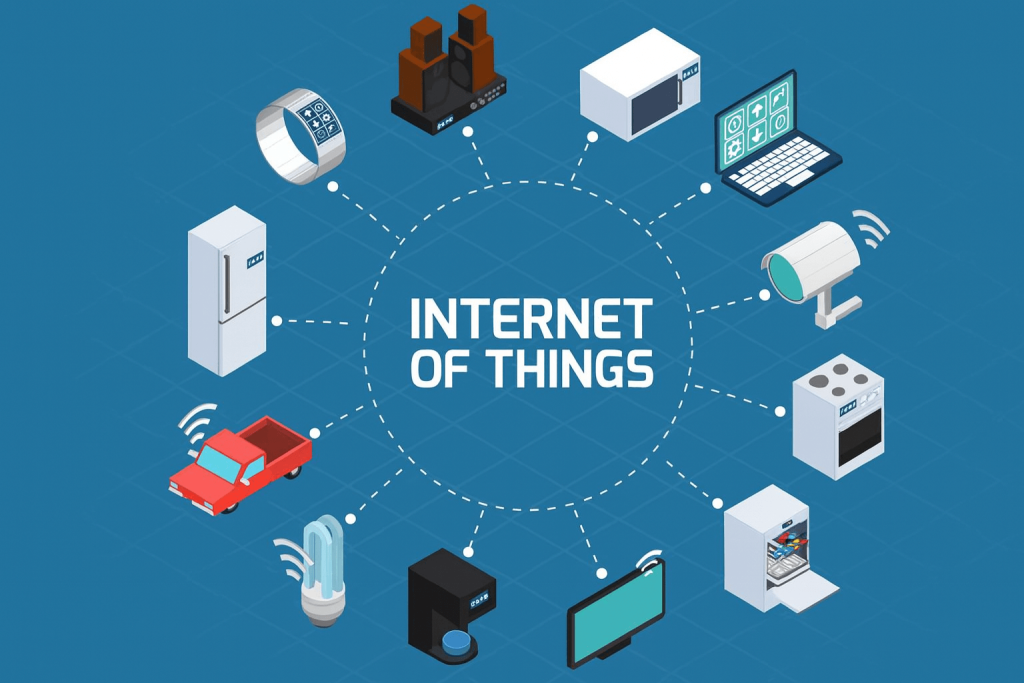
Platforms like Arduino, Raspberry Pi, and AWS IoT make these connections work. They allow devices to process data close to where it is collected, a method called “edge computing.” This means faster responses. For example, a smart car can detect an obstacle and respond instantly, without waiting for data to travel back and forth to the cloud.
IoT and edge platforms are future ready because they bring the online and real world together. From healthcare monitoring devices that send patient updates to smart homes that save energy, these platforms make life more efficient and safer.
Building a Future Ready Strategy with Interactive Systems
Future ready platforms come in many forms, cloud, enterprise, social, development, AI, and IoT. Each plays a unique role, but together they create strong digital systems. Businesses that use them wisely can respond quickly to change, connect with customers, and unlock new opportunities.
At Webdev200, the focus is on aligning these platforms with business goals. By blending services and innovation, companies can build strategies that last. Future ready systems are not only about today. They are about preparing for tomorrow’s challenges while staying competitive now.
If your company wants to explore how these platforms can work for you, the next step is simple. Reach out to experts who can guide you in building a strategy that combines innovation with results. The right platform choice today will set the stage for success in the years ahead.