

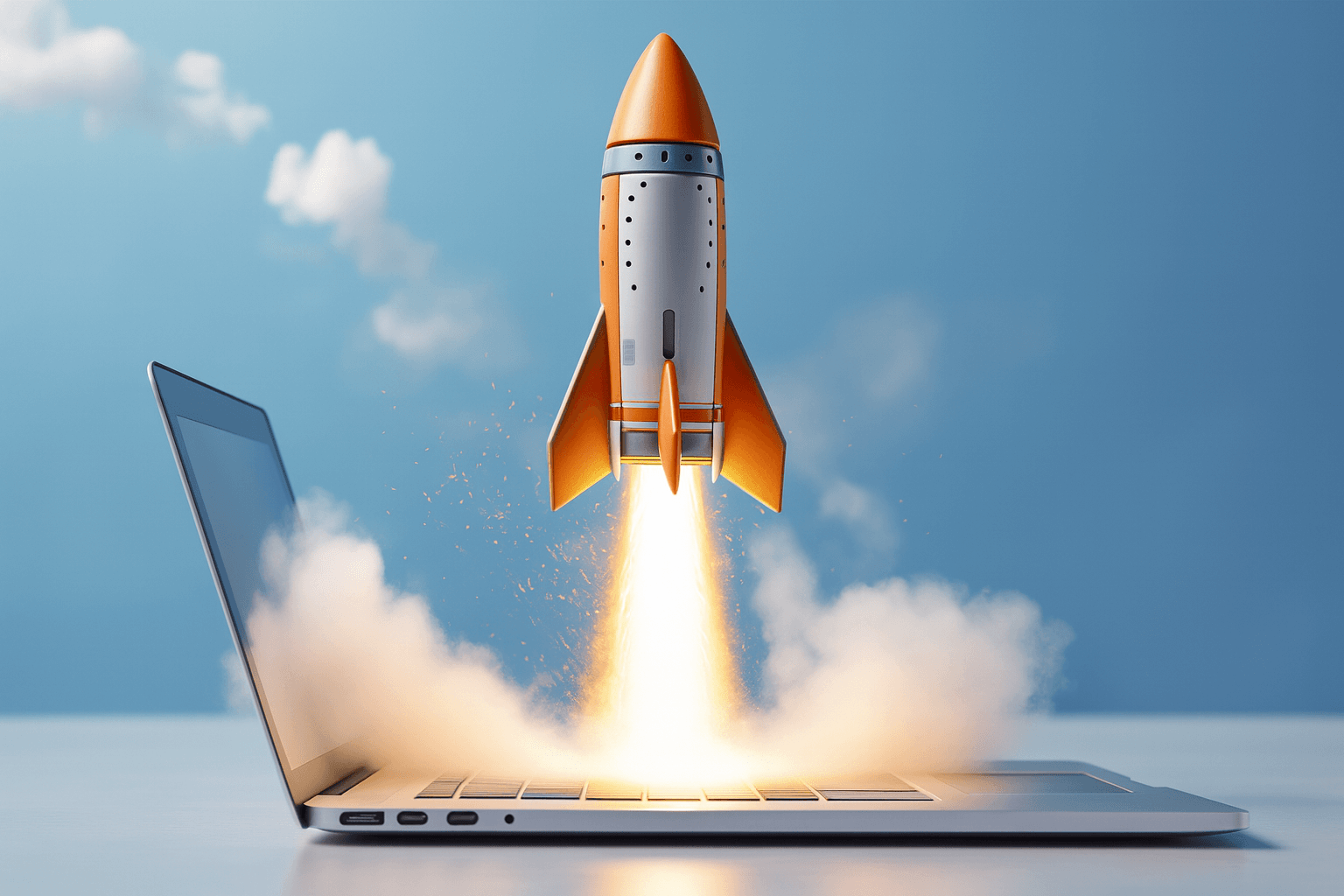
Digital products today move faster than ever. Companies race to deliver seamless experiences while maintaining brand consistency. That pressure drives the growing need for modern design systems that simplify structure and accelerate release cycles. These systems help developers, designers, and businesses collaborate with precision, ensuring each new project launches stronger, faster, and with fewer obstacles.
Modern design systems shape how web development evolves. They combine creativity and logic, giving teams the flexibility to scale while keeping design language consistent. For businesses focused on growth, these systems bridge the gap between creative direction and technical delivery.

Unified Visual Language in Digital Design
Every brand thrives on visual identity. A unified design system ensures that each button, layout, and interaction follows a consistent visual style. This structure helps design teams maintain balance across pages and devices. With every element predefined, developers can reuse patterns while designers focus on innovation.
In modern digital landscapes, uniformity builds trust. When users see harmony between website sections and apps, engagement rises. That connection encourages longer interaction, transforming visitors into loyal users. These results show why companies using design systems see fewer delays and more efficient releases.
Image Alt: Modern Design Systems for Fast Digital Launches showcasing unified digital interfaces.
Scalable Components Across Platforms
Reusable components form the heart of scalable design systems. Each component is flexible enough to adapt across websites, portals, and custom business applications. Developers no longer start from scratch; instead, they assemble elements from a shared library.

This method creates structure and consistency. Every time a company expands its platform, the same design logic carries forward. Because each update builds on established components, projects move faster. Efficiency like this leads to shorter timelines and cost savings while maintaining creativity and accuracy.
These systems simplify collaboration between creative and technical teams. Instead of reinventing layouts, they refine and evolve what already works. That focus enables teams to direct energy toward experience rather than repair.
User Centered Consistency Across Devices
Users expect continuity across screens. A single design style across mobile, desktop, and interactive displays builds recognition. Modern systems ensure the same aesthetic and behavior across devices, regardless of size or function.
When every component connects visually and functionally, the brand becomes stronger. That level of reliability makes browsing smooth and predictable. Users quickly find what they need and trust the interface more.
This consistency affects not only design but also accessibility. Well-structured systems make it easier for developers to create inclusive layouts for every audience segment. That universal access creates stronger relationships and lasting impressions.
How Do Design Systems Support Faster Launches
Speed matters in digital projects. Every week of delay can mean lost engagement or missed revenue. Modern design systems provide a foundation that saves time in both design and development.
By creating templates and reusable blocks, teams no longer repeat manual steps. Instead, they plug components into predefined layouts, reducing revision time. These efficiencies allow multiple departments to work simultaneously, shortening review cycles.
Businesses see results faster when all functions align under one system. That alignment helps digital products scale while maintaining flexibility for updates. The process becomes smoother, producing stable and quick digital launches.
Collaborative Structure in Design and Development
Collaboration defines success in every digital build. Design systems encourage communication between visual teams and technical teams. When all participants share a library of elements, feedback becomes immediate.

Every modification applies systemwide, reducing redundancy and confusion. Designers visualize updates while developers adjust functionality. The shared framework turns creative goals into executable structures.
This harmony aligns with Interactive experiences that rely on speed and engagement. Smooth transitions, interactive content, and shared color palettes all benefit from system-driven alignment. With these connections, teams at Webdev200 create unified experiences that reflect innovation and efficiency.
Sustained Growth Through Structured Design
Beyond speed, structure creates sustainability. When businesses rely on consistent systems, they future-proof their products. New pages, features, or interfaces integrate easily with existing structures.
That predictability also lowers maintenance costs. A centralized design repository simplifies updates across multiple platforms. Teams spend less time troubleshooting inconsistencies and more time improving functionality.
Sustained growth also depends on adaptability. As technology evolves, so can the components within each system. This continuous improvement ensures companies remain competitive in shifting markets while maintaining brand integrity.
Partnering for Future Ready Digital Growth
The journey toward faster digital delivery depends on structured design thinking. Businesses that invest in design systems enjoy clear communication, speed, and consistent branding. They also unlock better collaboration between creative and technical professionals.
Modern design systems for fast digital launches showcase what innovation and structure can achieve together. To elevate your next digital project, explore a strategy that blends performance with creativity. Connect with our team today to start shaping digital growth with confidence.