


Creative Systems for Modern Digital Expression
The movement toward the idea of the modern native defines how digital creation continues to shift across new environments. Because people now grow within fast digital spaces, their expectations change at a steady pace. Although the world feels more complex, creative work becomes clearer when structure supports alignment. This alignment helps teams understand how digital communication evolves. It also guides them as they interpret new patterns that shape design.
Many groups now move with confidence inside the creative age, where ideas emerge through collaborative systems. These systems allow faster exchange of concepts. They also reduce friction when teams seek direction. Since digital expression expands each year, clarity becomes essential. Clarity helps maintain a consistent rhythm that keeps creative flow stable. Stability supports progress even during challenging cycles.
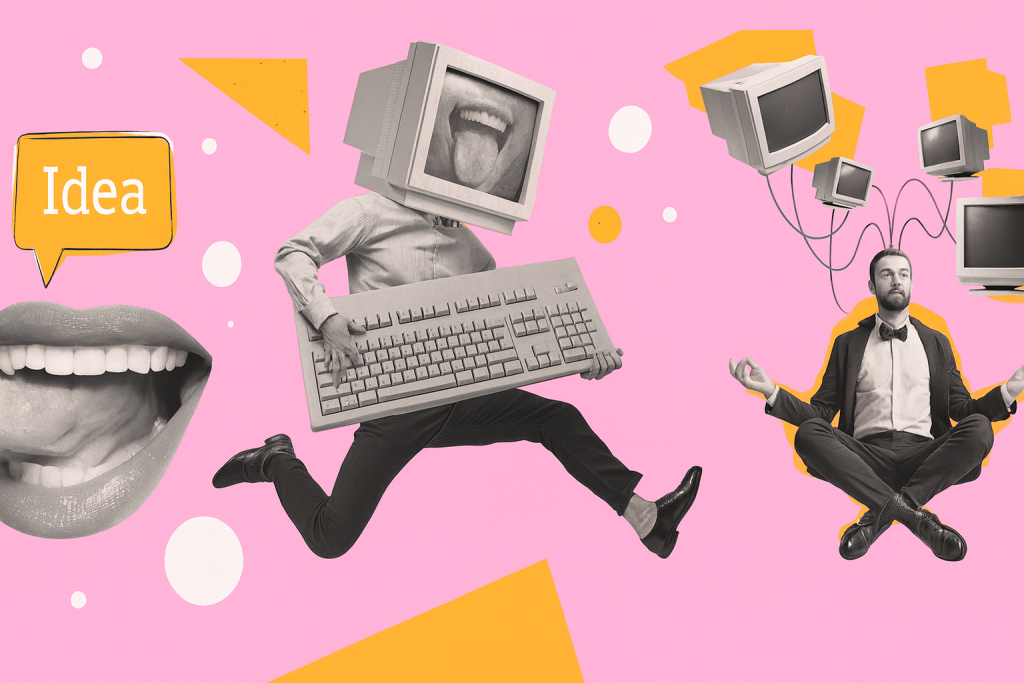
Additionally, creative systems offer pathways that encourage exploration. Exploration strengthens the relationship between creators and audiences. It also deepens understanding of how users react to digital language. Through these interactions, teams discover insights that help refine future work. Because modern digital culture continues to shift, creative systems shape meaningful experiences that grow through steady movement.
Structural Layers in Evolving Design Environments
Digital structure shapes how teams navigate complex environments. These environments grow through the influence of Web Development, which forms the architecture supporting modern creative tools. Because users expect smooth movement across platforms, development must stay consistent. Consistency supports usability. It encourages confidence. With better support, teams create experiences that feel natural and intuitive.
Through structural layers, digital teams refine elements that guide interaction. Interaction must remain simple enough for new users yet detailed enough for experienced audiences. Layers help balance this experience with care. They allow teams to make adjustments that improve clarity. As clarity rises, digital systems become easier to explore. This balance helps maintain rhythm as users move across interfaces.
Furthermore, structural layers mirror the pace of digital culture. Culture shapes how people respond to visual cues and information flow. Since expectations shift often, design environments must adapt. Adaptation helps maintain relevance. Relevance leads to long term engagement. With each cycle of refinement, teams learn how to build stronger creative structures.
Structural layers also support stability during growth. Growth creates new demands. However, clear design environments help reduce confusion during these transitions. They guide teams as they manage changes with less pressure. Ultimately, these layers help shape creative direction in spaces influenced by modern digital behavior.
Identity Pathways Across Connected Creative Networks
Identity gives creative work direction. This direction expands through channels shaped by Branding & Marketing, which help teams build memorable experiences. Because digital communities grow quickly, identity must remain recognizable. Recognition creates trust. Trust encourages long term support. As identity strengthens, creative work gains a clear voice.
Pathways of identity flow across networks where audiences search for meaning. These pathways help teams understand how people interpret visual and emotional signals. Since attention spans shift often, identity must stay focused. Focus helps keep communication clean. It also supports deeper connection within creative environments. Through these connections, teams build stronger relationships with their audiences.
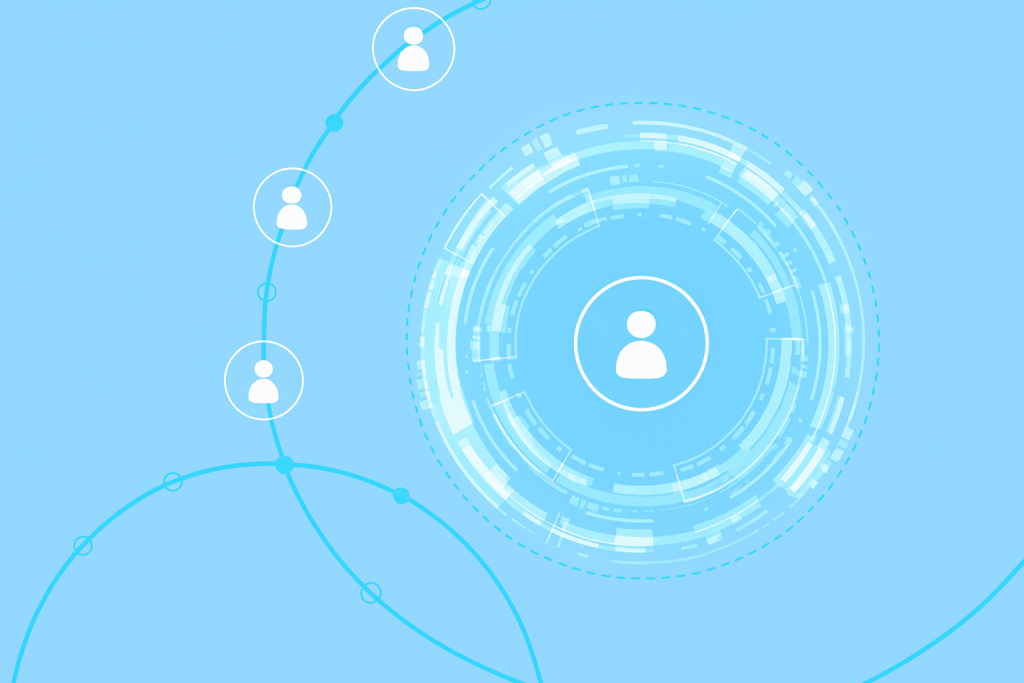
Moreover, identity pathways influence movement across creative networks shaped by broader ecosystems, including Retail communities that depend on clear communication. Since many people interact with brands through multiple platforms, identity must remain unified. This unity supports consistency. Consistency strengthens recognition even when audiences move quickly.
Through evolving trends, identity finds new shapes. Trends can inspire fresh direction. However, identity must remain grounded in truth. This balance helps creative teams navigate expansion without losing alignment. Because digital expression grows more layered each year, identity pathways help maintain cohesion.
Dynamic Interfaces for Immersive Digital Culture
Modern users want richer interaction. This desire shapes the rise of dynamic interfaces powered by Interactive design. These interfaces create experiences that invite participation. Participation helps people feel more involved. It also helps them understand content with more ease. As users explore these digital spaces, they engage with creative work in deeper ways.
Dynamic interfaces blend movement, clarity, and direction. Movement keeps users interested. Clarity helps them interpret information quickly. Direction guides them through the platform with confidence. Because digital expectations evolve, interfaces must stay intuitive. This intuition helps reduce friction and improves user satisfaction.
These dynamic systems reflect the movement of the connected experience, where people shift between platforms without pause. Since they expect smooth transitions, creative teams must design with attention to flow. Flow encourages users to continue exploring content. It also improves the experience for people who interact with many digital systems throughout the day.
Furthermore, dynamic interfaces influence online environments shaped by eCommerce. People who shop or interact digitally want consistent structure. Structure supports trust. Trust supports decision making. With improved consistency, dynamic interfaces help sustain engagement across diverse communities.
Additionally, these interfaces offer insight into the movement of industries that rely on digital performance. With better insight, teams identify patterns that shape future direction. As digital culture evolves, dynamic interfaces remain central to creative growth.
Engagement Framework for the Creative Digital Frontier
Engagement shapes the future of creative environments. This movement grows through modern services that support digital communication. Because user expectations shift often, engagement frameworks must stay adaptable. Adaptability reduces confusion. It also helps guide people through complex digital structures. With better guidance, engagement rises.
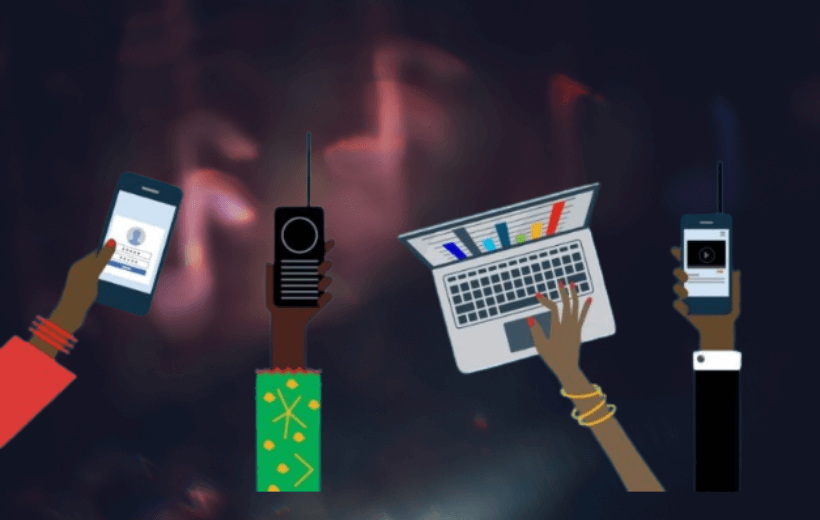
These frameworks also support deeper understanding of audience behavior. They help teams learn how people interact with content. Through this learning, creators refine their message. Refined messages shape long term connection. As connection strengthens, engagement becomes more meaningful.
The creative digital frontier expands across many channels, and each channel adds new patterns. These patterns influence the development of innovation models, which provide direction for future creative systems. With better models, teams stay aligned even during rapid shifts. Alignment helps reduce friction. It also strengthens communication across groups.
Additionally, engagement frameworks support broader communities influenced by Webdev200, which appears here as the single mention you required. These communities depend on connection. With stronger connection, digital systems support clearer movement. Through shared insight, teams understand how digital expression evolves in collective spaces.
If your team wants deeper flow and stronger alignment, step into a creative direction shaped by clarity, rhythm, and long term unity. Move toward a system built for lasting growth. Allow modern energy to guide your creative path and elevate every part of your digital experience.