


Digital Space Built for Forward Identity
Brands today move through fast digital environments. They need spaces that feel simple but powerful. They also need a structure that supports users with ease. Because the digital world continues to shift, many brands prefer balanced site presence. They want clarity, intentional design, and clean organization. These elements shape the future of digital identity.
Users interact with brands in several ways. They search, click, explore, and return. When a site feels natural, users stay longer. When layout and flow remain soft and simple, users feel more comfortable. Because of this shift toward comfort, brands now lean toward cleaner visuals and softer structures. These choices help users move through content without barriers.
Additionally, digital presence now carries more weight than ever before. A site stands as the first impression for most audiences. It must reflect trust, clarity, and purpose. Even small changes in layout or spacing can influence how users read the brand. This is why future-driven brands care deeply about design and flow.
As the digital world grows, brands must stay aware of changes. They must plan for new expectations and new habits. When a site feels current, it shows users that the brand is ready for what comes next. That presence builds confidence and connection.
Below is an image that reflects the clean direction seen in modern site presence.
Site Strength through Business Functionality
Brands often rely on systems that help them work with ease. They want tools that support workflow and improve daily tasks. Because of this, Business applications now play a larger role in digital presence. These tools support scheduling, communication, data flow, and user requests. When they connect smoothly with the site, they improve user experience and internal efficiency.

Many sites now include built-in automation features. They help users submit forms, track updates, and connect with teams easily. Brands want these features to feel natural rather than forced. When applications work well, they add depth without breaking the visual flow.
Additionally, business tools help brands stay organized. They support tracking, updates, and client interaction. When integrated into site structure, they strengthen reliability. Users feel more confident when systems respond quickly and clearly.
As digital experiences grow more complex, brands rely even more on strong internal tools. The future of digital presence will include deeper connection between design and business systems. This evolution will shape how brands communicate and operate online.
User Movement Guided through Mobile Flow
Mobile experience continues to shape the digital world. Many users now explore brands entirely from their phones. Because of this shift, Mobile Development has become essential. It supports smooth transitions, quick loading, and flexible layout structures. When mobile design feels natural, users stay comfortable throughout the experience.
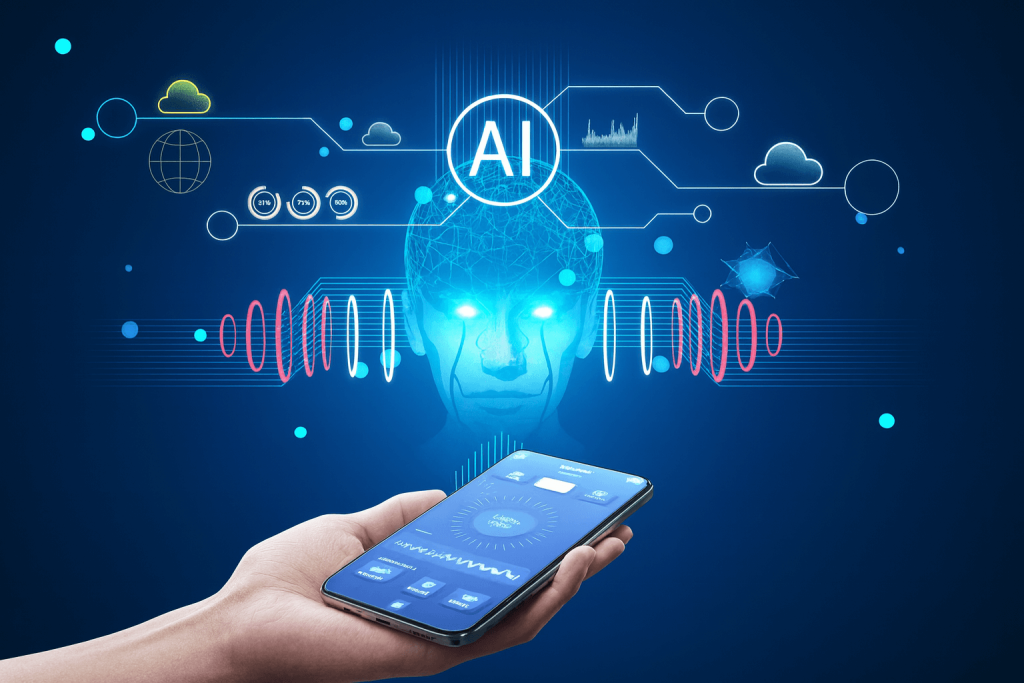
Brands now prioritize mobile stability alongside desktop clarity. They want buttons sized for touch, text that stays readable, and spacing that supports easy scanning. When these elements come together, the mobile site becomes a clean guide for users.
Additionally, mobile design must adapt to different screen sizes. It must respond to motion, speed, and connectivity. This flexibility requires careful planning. Brands cannot rely on desktop-first strategies anymore. They must design for mobile needs from the start. This direction improves user flow and strengthens digital presence.
The future of mobile design includes soft visuals, calm motion, and layout that reacts to users. These improvements guide people through information without friction. As technology continues to grow, mobile design will remain at the center of digital evolution.
Search Strength and Visibility for Brand Growth
Digital presence carries more purpose when people can find it. Brands depend on strong search visibility to reach audiences. Although design and structure shape the visual experience, search visibility shapes discovery. When a site gains better visibility, it reaches users who search for related ideas or services.
Visibility comes from clear structure, simple content, and well-organized pages. Users want information that appears quickly. They also want answers that feel relevant. When a site responds well to search, it grows naturally. This growth strengthens trust and encourages users to explore further.
Additionally, clear structure helps search engines read the site. Simple navigation, balanced headings, and clean text support indexing. Brands build long-term digital presence when their content stays clear.
In the future, search will continue to play a large role in digital identity. Brands that plan ahead will see stronger growth and deeper connection with their audiences.
Purposeful Action for Forward Site Presence
When brands want a stronger presence, they need messages that feel simple and inviting. They also need structure that guides users gently. It becomes part of the user experience and part of the brand story.
When teams want digital presence that feels ready for the future, they explore partners who offer clarity and ease. Many brands turn to future web identity planning as a guide. This direction helps them build sites that stay strong as trends evolve.