


Digital Structure for Connected Customer Experiences
A structured system defines how customers interact with a brand online. It determines whether users can find what they need easily or get lost in a maze of unorganized content. In the modern digital space, structure is not optional, it’s what builds a bridge between brands and their audiences.
When an organization establishes clear and efficient channels, it shapes every step of the customer journey. A seamless online presence allows each interaction to feel intentional and professional. Whether users visit a website, mobile platform, or social channel, their experiences should feel consistent and engaging.
Businesses that rely on structured communication gain measurable advantages. Their content loads faster, their tools integrate better, and their teams collaborate with fewer barriers. The path from discovery to purchase becomes intuitive.
Modern consumers crave clarity. They prefer to interact with brands that anticipate their needs. By designing with this in mind, businesses transform casual interactions into meaningful connections. This shift reflects both strategy and empathy, two pillars of customer loyalty in today’s marketplace.
Strategic Flow for Sustained Digital Growth
Building strong digital connections begins with structure. Every platform must work together under one ecosystem that adapts as technology evolves. When each touchpoint, from mobile apps to landing pages, follows a defined pattern, users stay engaged longer.

Structured growth focuses on sustainability. Instead of quick results, it ensures long-term brand relevance. Companies that treat structure as a foundation rather than an afterthought create smoother transitions between marketing, service, and customer support.
Within this ecosystem, webdev200 represents the ideal fusion of design, usability, and innovation. A structured digital framework helps businesses maintain uniformity without sacrificing creativity. It also makes it easier to track customer data, analyze engagement, and improve interaction patterns.
The more organized a brand’s structure, the more adaptable it becomes to future changes. Predictable systems allow flexibility when new tools or markets emerge. This balance between stability and innovation defines digital success today.
Unified Framework through Business Applications
The rise of business applications has reshaped how organizations manage internal and external communication. These tools help teams process data, manage leads, and deliver consistent results. When integrated properly, applications form the backbone of operational efficiency.
A single dashboard can connect multiple systems, marketing, finance, and client management, into one streamlined hub. This makes collaboration easier while improving customer experience. Through automation and real-time analytics, businesses gain insight into how audiences behave and what they value most.
In structured frameworks, each application plays a specific role. Project management tools coordinate teams. Customer relationship systems track engagement. Analytics tools measure campaign performance. Together, they form a connected ecosystem where data flows effortlessly.
Strong application structure reduces friction. It helps employees spend less time on manual work and more time on strategy. For customers, it ensures consistency. Every interaction, whether it’s a message, transaction, or support ticket, feels organized and reliable.
Mobile Development as the Core of Accessibility
Mobile platforms now dominate digital interaction. The need for mobile development has never been greater. Every structured strategy must prioritize user experience across screens of all sizes.
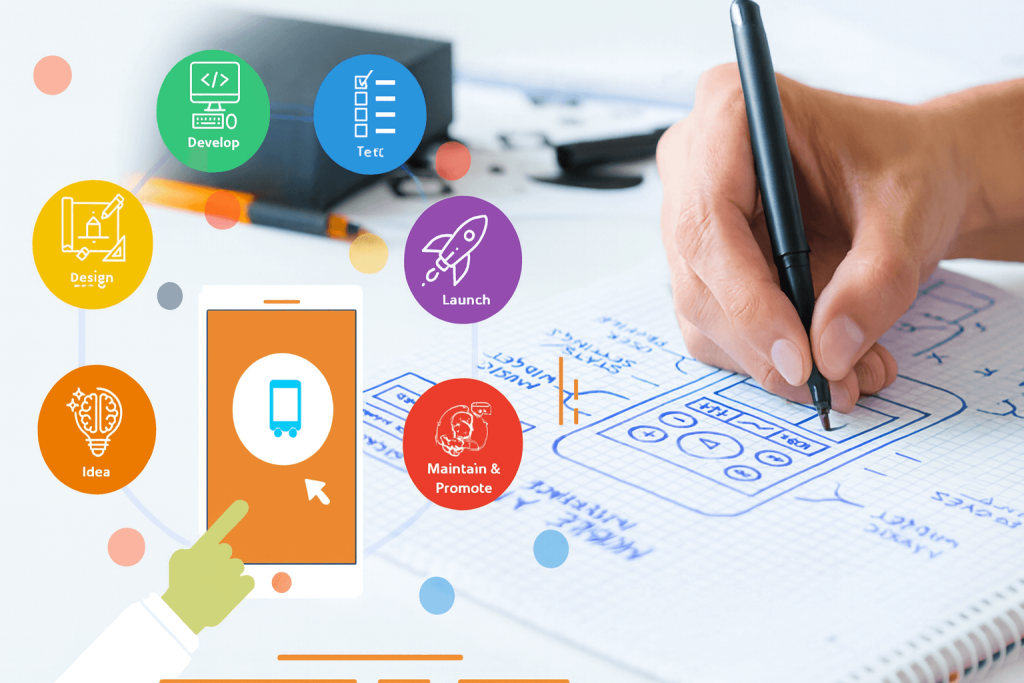
Mobile structure goes beyond simple responsiveness. It focuses on speed, accessibility, and intuitive design. If customers cannot navigate smoothly on their phones, they often leave within seconds. Structured mobile interfaces solve this by guiding users through simplified, purposeful flows.
Mobile-first design also improves search ranking and brand credibility. Google rewards sites that prioritize mobile usability. For customers, it builds trust. Smooth navigation and fast responses create the sense that a brand values convenience.
Inclusive design should also be part of every mobile strategy. Accessibility tools such as text readers, adjustable contrasts, and adaptive layouts make digital experiences available to everyone. Structured mobile systems are not only efficient, they’re ethical.
When built strategically, mobile channels connect customers to services with minimal effort. They extend accessibility, encourage engagement, and boost retention. The right structure transforms mobile users from visitors into loyal advocates.
Engagement Built on Strategic Communication
Structured communication forms the foundation of every interaction. Customers expect responses that are timely, clear, and helpful. When communication channels are aligned with brand values, every message becomes part of a larger narrative.
A brand’s content strategy ensures that stories are consistent across platforms. Articles, videos, and visuals should all reflect a unified identity. This alignment keeps users from feeling disconnected as they move between touchpoints.
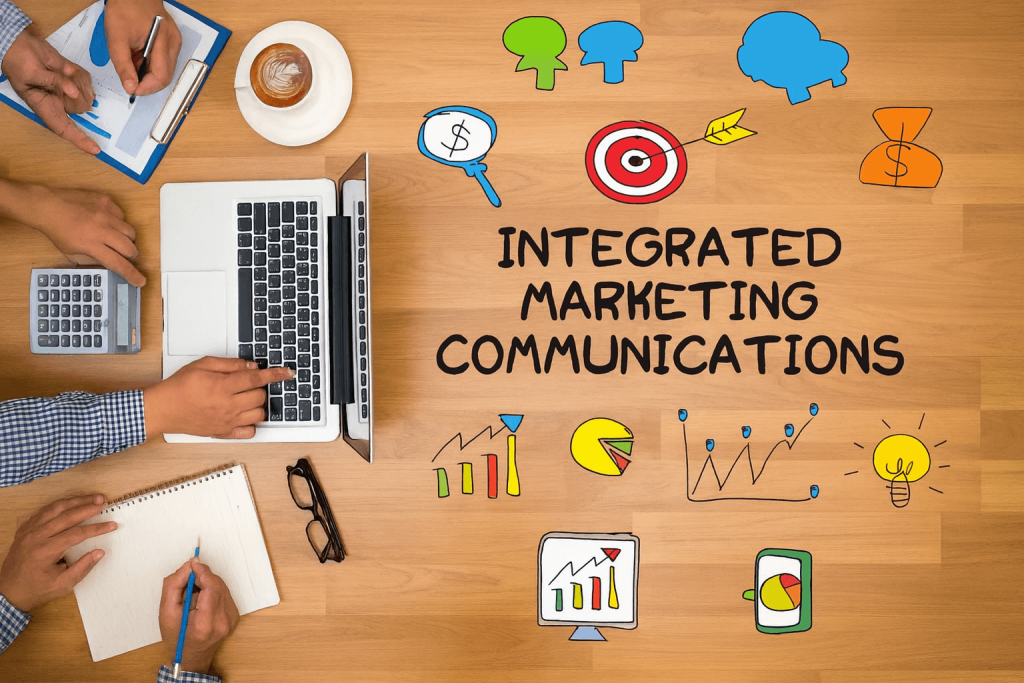
Marketing integration plays a crucial role here. It connects social media campaigns, email sequences, and digital ads into one structured system. Rather than overwhelming audiences with random content, brands deliver synchronized experiences that feel cohesive and personalized.
Through structured messaging, businesses maintain rhythm. Audiences learn when to expect updates, how to reach support, and where to find new offers. This rhythm builds trust over time and positions the brand as dependable.
Structure also benefits analytics. Teams can measure which messages convert best and adjust strategy accordingly. Structured communication is not rigid, it evolves based on evidence. Over time, this approach drives consistent engagement and measurable growth.
Shape Your Digital Structure for Real Results
Creating a structured network of digital channels transforms every brand from reactive to proactive. Instead of chasing trends, structured systems position companies to lead them. Each optimized touchpoint supports clarity, efficiency, and authenticity.
At webdev200, structured growth is more than a concept, it’s a process. Our focus is building digital ecosystems that adapt to change and elevate brand visibility. Whether you’re refining your digital tools or expanding customer reach, structure ensures long-term success.
Reach out to us today and start shaping your digital architecture. Let’s design pathways that make your audience feel seen, supported, and inspired, because structured growth builds lasting connections.