

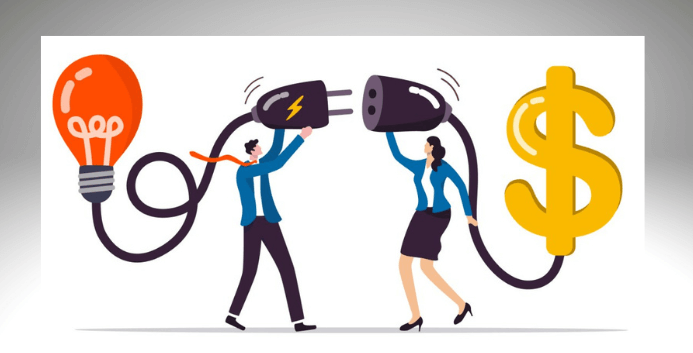
Unified Direction Between Marketing and Branding
Marketing and branding may look different on paper, yet their connection determines how audiences see a company. Branding defines who you are, while marketing shows what you offer and why it matters. The two must exist in harmony to express consistency and trust. When design, message, and tone align, audiences feel that cohesion and remember it.

A unified direction shapes how strategies move from creative to measurable results. It is not just about promoting a logo or tagline. It is about crafting a lasting identity that resonates across channels. When every campaign connects back to a shared goal, a business gains clarity, recognition, and loyalty.
Alignment creates meaning. Each brand visual or caption builds credibility and emotional impact, strengthening the bridge between brand promise and customer experience.
Framework of Strategy Excellence
Strategy excellence forms the foundation for growth. It sets guidelines that shape all marketing and branding efforts. A strong framework blends creativity with structure, ensuring that vision turns into results.
In many organizations, departments work separately. The best frameworks bring them together under a common strategy. This creates an ecosystem where every piece of content, campaign, or platform reinforces the same core identity.
Strategy excellence also includes adaptability. Markets evolve quickly, so strategies must evolve too. A flexible structure allows creative teams to refresh campaigns without losing consistency. This approach sustains relevance while maintaining the brand’s original integrity.
Visual and Verbal Identity Structure
A successful identity combines visual clarity with verbal purpose. Every color, logo placement, and tone of voice works together to communicate one story. A strong identity influences how audiences connect emotionally.
Visual identity builds first impressions. Verbal identity sustains them. The key is balance. The audience must recognize the same feeling across all platforms, from social media posts to digital ads. That repetition builds memory and connection.
When design and language evolve side by side, the message becomes immersive. It allows users to feel the brand instead of just seeing it. This level of cohesion leads to deep loyalty and recognition over time.
Audience Connection Through Digital Growth

Digital growth is the outcome of meaningful connection. Businesses no longer rely only on advertising; they depend on emotional relevance. Marketing and branding together guide users through that experience.
Data plays a vital role. Insights from digital analytics show which ideas engage and which do not. From these insights, creative teams refine their storytelling and improve user journeys. When digital channels such as mobile apps, social platforms, and websites share one tone and message, engagement grows naturally.
The process of connecting with audiences must stay human. Numbers show patterns, but empathy drives results. Digital growth thrives when both are balanced.
How Do Marketing and Branding Shape Business Perception
Every business is perceived through the stories it tells. Marketing and branding shape that perception before a sale happens. Marketing attracts, and branding defines meaning. Together, they decide how the world interprets a company’s purpose.
Strong perception builds confidence. When users see consistent branding, they assume stability and reliability. Marketing sustains that image by continually reinforcing the same values. Over time, reputation becomes a measurable asset.
Perception also affects internal culture. Employees mirror the tone and message they project externally. A positive internal identity drives stronger external communication. Businesses that nurture both sides establish credibility and belonging.
Integration Across Business Applications

Integration ensures that strategy excellence runs through every layer of business. Marketing tools, analytics dashboards, and creative software must communicate seamlessly. That connectivity allows teams to measure, adjust, and scale with precision.
Business applications support collaboration by combining design, content, and analytics in one ecosystem. This harmony minimizes effort and maximizes insight. Integration ensures that every campaign is built from shared data, not separate silos.
Webdev200 exemplifies how technology enhances creativity. By merging web development, mobile development, and interactive solutions, integration transforms how brands manage engagement. Through connected systems, marketing and branding operate as one efficient force.
Momentum of Unified Strategy
Marketing and branding strategy excellence is not a single action. It is a continuous evolution. When creative vision aligns with structured strategy, the result is synergy that fuels recognition, loyalty, and expansion.
The next step begins with intention. Businesses ready to elevate their message should look beyond traditional promotion. They should explore how unified strategy transforms visibility into influence.Reach out to our creative specialists today to discover how your brand identity can grow through an integrated marketing and branding experience that connects with your audience and drives measurable results.