


Human Needs at the Center of Digital Creation
Technology continues to move quickly, yet people remain at the center of every meaningful digital interaction. Users do not approach digital spaces thinking about systems or code. Instead, they arrive with needs, expectations, and emotions shaped by real life. Because of this, successful digital experiences begin with understanding rather than complexity.
When digital platforms feel intuitive, users stay engaged. When experiences feel confusing, people leave. This pattern appears consistently across industries and audiences. Therefore, technology works best when it supports clarity rather than distraction.

Human centered digital thinking values empathy. It considers how people read, navigate, and respond. It also respects attention spans and emotional context. As a result, digital creation becomes less about features and more about connection.
Behind every strong digital experience sits a balance of thoughtful planning and technical execution. The most effective platforms feel simple because intention guides every decision. That simplicity reflects understanding rather than limitation.
This mindset defines how modern digital environments grow, adapt, and remain relevant over time.
Purpose Driven Structure Across Digital Touchpoints
Structure shapes experience. Without it, even powerful platforms feel overwhelming. Clear structure allows users to move confidently, find information quickly, and complete tasks without friction.
Digital platforms often rely on web development to establish this structure. Clean frameworks support clarity while allowing room for growth. However, structure alone does not create meaning. It must align with real user behavior.
Business applications also benefit from purposeful structure. These systems support workflows, decisions, and daily operations. When designed with understanding, they reduce complexity instead of adding to it.
Mobile development introduces additional considerations. Smaller screens demand clarity. Gestures replace clicks. Thoughtful structure ensures users feel comfortable rather than constrained.
Interactive elements bring these environments to life. They guide attention, confirm actions, and create feedback loops that feel natural. When interaction feels intuitive, users trust the experience.
Branding & marketing connect structure to identity. Visual tone, messaging, and consistency reinforce trust. Together, these elements form digital environments that feel cohesive and human.
Adaptability Through Thoughtful Experience Design
People access digital spaces from different devices, locations, and contexts. Because of this, adaptability becomes essential. Digital environments must respond gracefully to change.
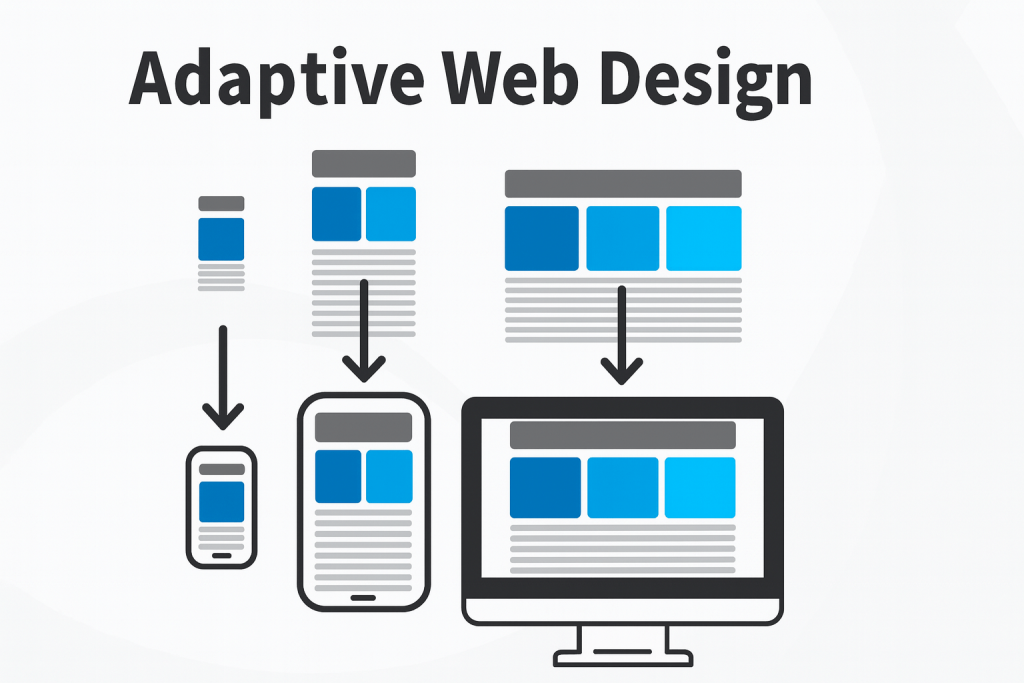
Web design plays a key role in this adaptability. Visual hierarchy, spacing, and readability guide users without forcing them to think. Design choices shape perception before content is even read.
User experience focuses on how people feel as they move through digital spaces. Smooth transitions, predictable patterns, and clear feedback reduce frustration. These details often matter more than advanced features.
Responsive design ensures consistency across screens. Whether someone uses a phone, tablet, or desktop, the experience should feel familiar. This continuity builds confidence and comfort.
Adaptable platforms remain relevant longer. They grow with users instead of forcing users to adjust. That adaptability reflects respect for human behavior.
Visibility and Trust in an Expanding Digital World

Digital presence carries weight. People form opinions quickly based on how platforms appear and perform. Visibility alone does not create trust. Experience does.
SEO supports discoverability. It helps platforms reach audiences who are actively searching for solutions. However, visibility must align with value. When content fails to deliver, trust fades.
Online presence extends beyond search results. It includes performance, accessibility, and consistency. Every interaction reinforces or weakens perception.
Strong digital environments communicate reliability. They load quickly. They guide users clearly. They respect attention. These qualities signal professionalism without saying a word.
Behind the scenes, thoughtful planning ensures alignment between message and experience. When technology supports clarity, trust forms naturally.
Digital success depends less on exposure and more on sustained engagement built through understanding.
Meaningful Growth Through Human Focused Technology
Digital growth should feel intentional rather than forced. When platforms evolve around human understanding, growth feels sustainable.
Technology works best when it listens. Data reveals patterns. Behavior highlights needs. When insights guide decisions, experiences improve naturally.
WebDev200 approaches digital creation through this human lens. By aligning strategy with real behavior, digital environments remain adaptable and relevant.
Services built around understanding support long term growth rather than short term attention. Platforms remain flexible. Experiences stay consistent.
When technology respects people, outcomes follow. Engagement deepens. Trust strengthens. Growth becomes a reflection of value rather than volume.
If your digital environment aims to connect more meaningfully, focusing on understanding creates the strongest foundation for progress.