


The Space Between Basic Results and Real Progress
The difference between working and working well often feels subtle at first. A system loads. A site appears. A tool responds. On the surface, everything looks fine. However, over time, small issues grow louder. Pages slow down. Users hesitate. Teams struggle to adapt. As a result, what once seemed functional begins to feel fragile.
When something only works, it meets the minimum need. It performs the task without care for growth. On the other hand, when something works well, it supports people naturally. It anticipates change. It removes friction. Because of that, it becomes easier to trust.
Many digital products exist in that narrow space. They operate. Yet, they never truly support momentum. Eventually, this gap affects confidence. It also affects decisions. Therefore, understanding this difference matters more than ever.
In today’s landscape, expectations move quickly. Users compare every experience to the best one they had yesterday. Meanwhile, businesses rely on systems to adapt fast. If tools only function, progress slows. However, when systems work well, growth feels lighter and more consistent.
This idea sits at the center of modern digital thinking. It explains why thoughtful execution outperforms rushed solutions. It also explains why long term success depends on more than functionality alone.
The Role of Intention in Digital Decision Making

Intention separates accidental success from reliable outcomes. Without intention, systems grow uneven. With intention, choices align. Every detail supports a larger goal.
In many projects, teams focus on delivery first. They want something live. While speed matters, direction matters more. Therefore, intention shapes how features connect. It also shapes how users feel when interacting with a system.
Thoughtful digital work considers flow early. It considers clarity. It considers scale. As a result, decisions feel connected instead of reactive. This approach defines how strong web development supports growth without stress.
For example, a platform may function today. However, without foresight, updates become painful tomorrow. On the contrary, intentional planning allows expansion without disruption. This difference saves time. It also saves trust.
The same logic applies to business applications. Tools should support how teams actually work. When systems feel natural, adoption improves. Productivity follows. Because of that, intention transforms technology from a burden into support.
At WebDev200, this philosophy guides how digital systems evolve. Rather than chasing trends, the focus stays on clarity. This mindset creates stability even as needs change.
Ultimately, intention prevents digital fatigue. It ensures that growth feels controlled instead of chaotic. Over time, this difference becomes impossible to ignore.
Why Experience Shapes Trust and Long Term Value
People remember how systems make them feel. Even when tasks succeed, frustration leaves a mark. Therefore, experience plays a central role in whether something truly works well.
User experience connects logic with emotion. It removes unnecessary steps. It guides attention. It respects time. As a result, users feel confident rather than cautious.
When experience lacks care, hesitation grows. Users second guess actions. They abandon processes. Eventually, trust fades. On the other hand, when experience feels smooth, engagement increases naturally.
This principle applies across platforms. In mobile development, speed and clarity become critical. Users expect instant response. They also expect intuitive movement. When these expectations meet reality, satisfaction rises.
Interactive environments add another layer. Feedback must feel immediate. Transitions must feel purposeful. Otherwise, interaction becomes confusing instead of engaging. Therefore, careful interaction strengthens connection.
Responsive design also reinforces trust. When layouts adapt gracefully, users feel considered. They do not struggle across devices. Instead, consistency follows them everywhere.
Together, these elements shape perception. They turn systems into reliable partners. Over time, this reliability becomes a competitive advantage that cannot be replicated easily.
Building for Growth Instead of Short Term Stability
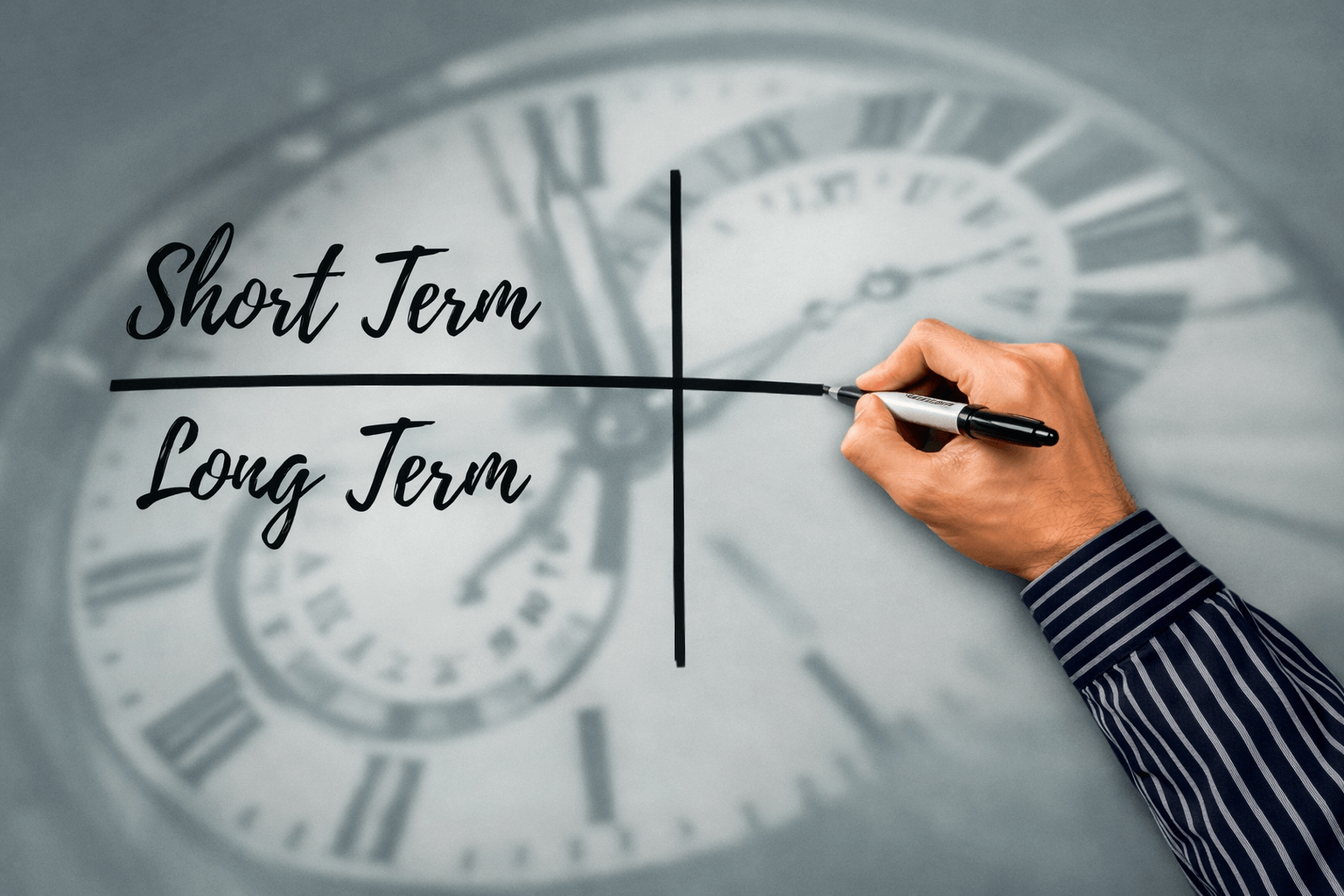
Short term solutions often appear attractive. They launch fast. They solve immediate issues. However, they rarely support growth. Over time, patches accumulate. Complexity rises. Maintenance becomes heavy.
Working well requires building with tomorrow in mind. This mindset prioritizes flexibility. It values clean logic. It avoids shortcuts that create future problems.
Website development benefits greatly from this approach. A scalable foundation allows content to evolve. It allows features to expand. Most importantly, it prevents rebuilds that drain resources.
Similarly, web design must anticipate growth. Visual systems should adapt without losing identity. When design scales gracefully, updates feel seamless rather than disruptive.
Branding & marketing also rely on consistency. When digital systems align with brand intent, messaging stays clear. This clarity strengthens recognition. It also builds confidence.
SEO success follows naturally when systems support structure and clarity. Search engines reward coherence. They reward speed. They reward relevance. Therefore, thoughtful foundations outperform quick fixes.
An online presence grows stronger when systems support expansion. Instead of reacting to change, teams guide it. This control reduces risk. It also preserves momentum.
Ultimately, growth friendly systems protect investment. They ensure that effort compounds instead of resets.
Choosing Better Outcomes Over Faster Finishes

Speed has value. However, speed without direction leads nowhere. The difference between working and working well often reveals itself after launch.
Projects that prioritize quick delivery often struggle later. Adjustments become difficult. Confidence erodes. Meanwhile, projects built with care adapt smoothly.
A skilled web developer understands this balance. They move efficiently. Yet, they never sacrifice clarity. Their choices support long term health rather than short term wins.
Website design that works well does not chase attention. Instead, it guides users calmly. It communicates purpose. It removes doubt.
User experience thrives under this philosophy. Each interaction feels considered. Each transition feels logical. Because of that, users stay longer. They return willingly.
Responsive design reinforces this trust across environments. Whether on desktop or mobile, familiarity remains. This consistency strengthens connection.
When teams choose better outcomes, they invest in resilience. They reduce future strain. They protect credibility.
The final difference becomes clear over time. One path leads to constant repair. The other leads to steady progress. Choosing well changes everything.
A Clearer Way Forward
If your systems only work, progress feels heavy. If they work well, growth feels natural. The difference shapes how teams operate. It shapes how users respond. It shapes how success sustains itself.
Now is the time to evaluate that gap. Choose intention. Choose clarity. Choose systems that support where you are going, not just where you are.
When digital work supports people instead of slowing them down, results follow naturally. That is the real difference worth building toward.