


The Foundation of Digital Balance
Every great digital product begins with a relationship between creativity and precision. Design captures the imagination while function ensures performance. In modern web development, success depends on how well these two forces align. When design feels effortless and function remains reliable, users experience the best version of a brand.

This harmony defines the essence of every platform. The visual layout gives personality, but the underlying structure makes it work. Users expect websites and applications that are beautiful, fast, and dependable. The combination of art and engineering delivers that expectation, turning ordinary interactions into experiences people trust.
Strong collaboration between designers and developers turns ideas into real connections. Each color, click, and animation reflects careful thought and technical skill. The process shows that great design cannot exist without great function.
The Role of Purposeful Design
Design shapes the first impression of every digital space. It sets tone, emotion, and hierarchy before a single word is read. More importantly, design guides the path a user takes. It builds trust and supports usability. Clean layouts, readable fonts, and intuitive spacing keep attention focused where it belongs.
A purposeful design goes beyond appearance. It supports accessibility and adaptability. Whether someone browses from a laptop or phone, the visual experience should remain clear and inviting. When design accounts for different devices, it becomes part of inclusive communication.
However, even the best design loses value without functionality. Each layout must work hand in hand with code that responds instantly and loads efficiently. When designers understand how their choices affect performance, the result is both practical and appealing.
The Structure That Powers Design
Behind every smooth interface lies a system that makes it possible. Function gives life to visual ideas through logic, architecture, and code. This is where developers build stability while maintaining creative flexibility. A well-structured site or application runs faster, lasts longer, and scales easily as new demands arise.
Function supports every pixel of the design. It controls load time, navigation, and responsiveness. These details shape the overall user experience, often without being noticed. The smoother the interaction, the stronger the foundation.
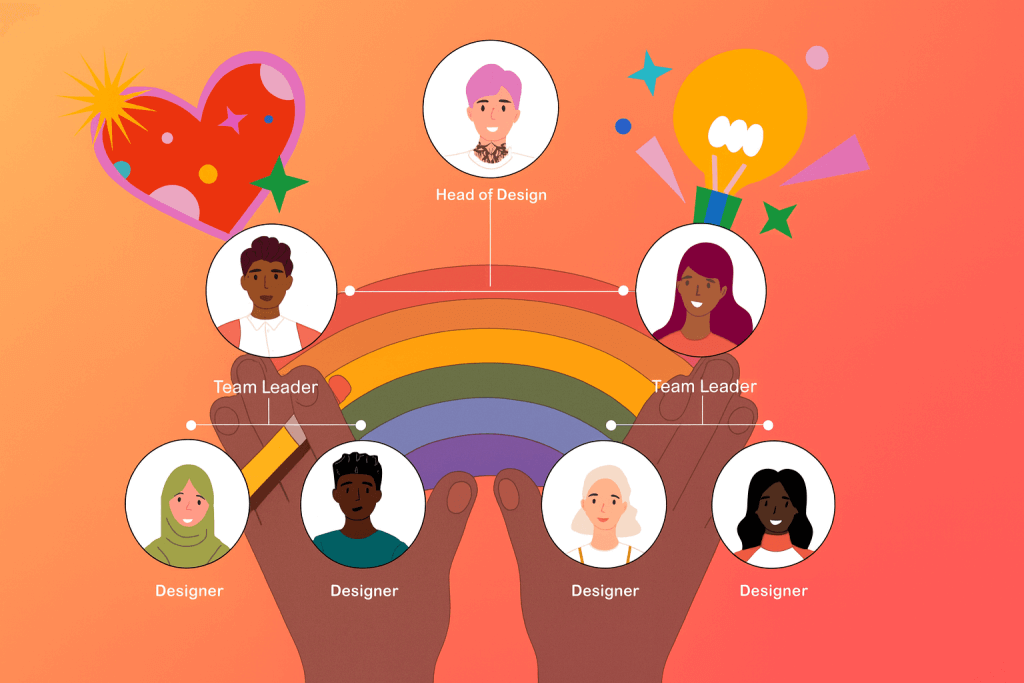
When developers and designers collaborate from the start, structure adapts naturally to the creative vision. It allows for movement, animation, and innovation while preserving stability. This partnership makes digital environments both powerful and efficient, built to impress but also to perform.
The Compact Power of Mobile Design
The rise of smartphones has changed how we define simplicity. In mobile development, design and function share an even tighter connection. Every element must justify its place. There’s less space for excess, which forces teams to focus on clarity and speed.
Modern mobile platforms demand faster load times and minimal friction. Designers work with adaptive grids, while developers optimize frameworks to reduce delay. The collaboration ensures consistency across all screen sizes and networks.
A mobile-first mindset now influences every stage of digital design. It ensures accessibility and performance come first. This approach also impacts business applications, where responsiveness and usability directly affect productivity. Compact, intuitive systems create stronger engagement, whether for customers or internal teams.
Branding and Marketing in Digital Identity
A brand’s online identity relies on how well design and function express its voice. In branding & marketing, visuals and behavior must align to communicate trust. The way a site looks conveys personality, but the way it functions confirms credibility.
When every feature supports the brand’s story, users form stronger emotional connections. A seamless digital experience builds confidence and recognition. Even small details, how buttons respond or how pages transition, affect perception. These touches turn a brand from something seen into something felt.

Behind this consistency lies collaboration. Developers ensure functionality remains intact across campaigns, while designers maintain visual tone. This unity strengthens the digital ecosystem and helps businesses scale their message with precision.
The Interactive Layer of Modern Design
Today’s users expect participation, not just presentation. Interactivity makes digital experiences dynamic and memorable. It bridges engagement and purpose. Scroll effects, responsive animation, and subtle motion create rhythm. These elements make users feel part of the story.
However, balance remains crucial. Too much animation slows performance; too little leaves the experience flat. Collaboration ensures each interactive feature feels natural rather than forced. Designers craft the movement, and developers translate it into performance-friendly code.
This partnership fuels creative solutions that attract and retain audiences. When used strategically, interaction becomes more than decoration, it becomes communication. It turns technology into storytelling and transforms engagement into connection.
Innovation and Collaboration for the Future
Design and function together drive innovation. The digital world evolves constantly, and progress depends on how quickly creative and technical minds align. Automation, analytics, and artificial intelligence now influence how teams plan and deliver projects. Each tool enhances the connection between beauty and performance.
In digital strategy, innovation requires structure. Creative ideas thrive only when backed by stable systems. This is why collaboration remains essential. When designers understand code and developers respect visual logic, the result is harmony that sustains growth.

This principle guides teams like WebDev200, where collaboration ensures excellence from concept to execution. By integrating both creativity and precision, projects become smarter, faster, and more human-centered.
Build Experiences That Last
Every strong digital presence begins with understanding how design and function shape perception. Together, they create clarity, emotion, and purpose. They transform screens into experiences that inform, entertain, and inspire.
The best results emerge when artistry and technology move in rhythm. When they do, brands gain visibility, and users gain trust.
Now is the time to take that step forward. Plan your next chapter with a team that values structure, imagination, and precision. Create your future with intention, and see how seamless design and intelligent function can redefine your online experience.