

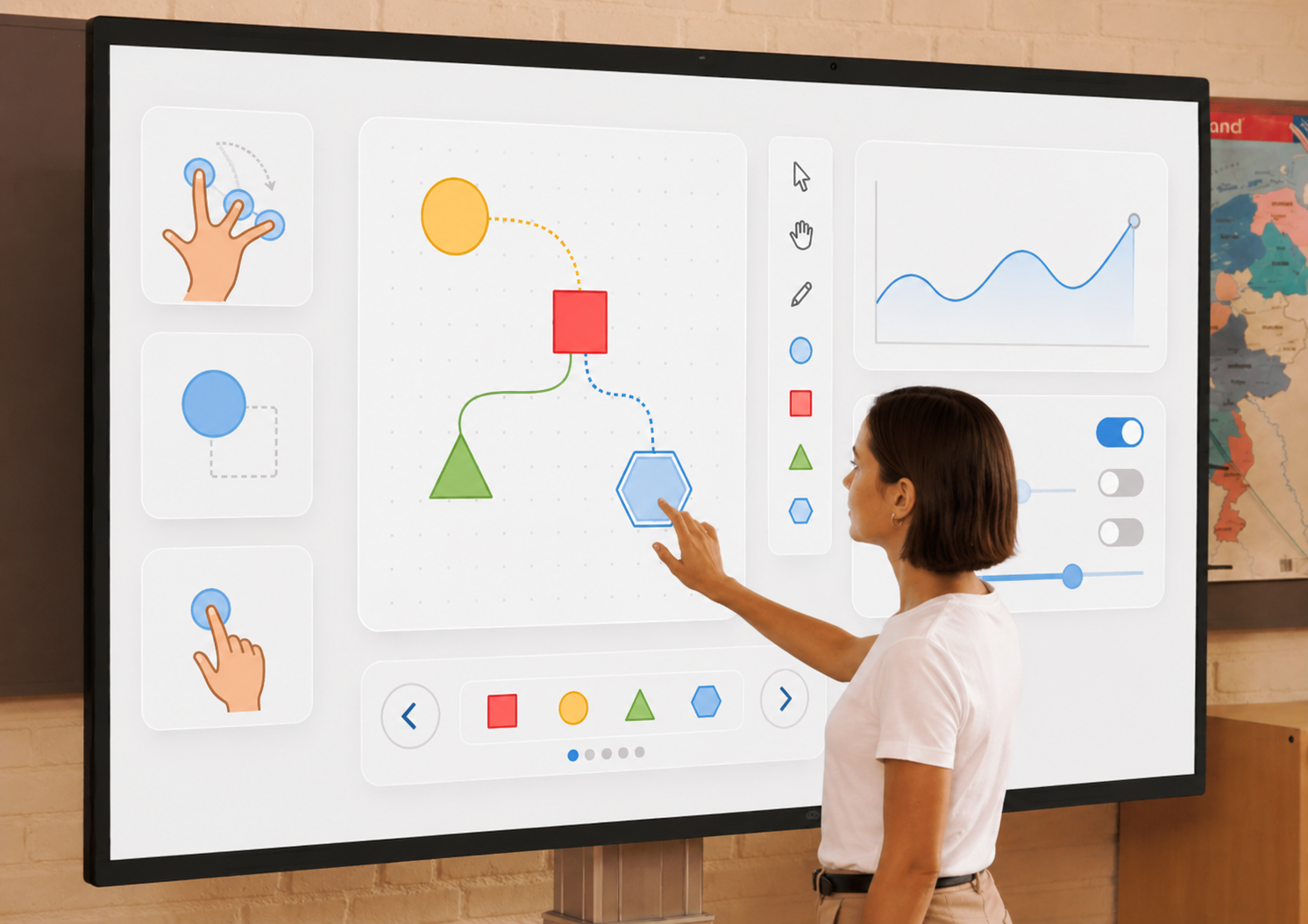
Human Centered Digital Engagement and Flow
Digital interaction shapes perception within seconds. Users decide quickly whether to continue exploring or leave. Therefore, intuitive engagement becomes essential.
Interactive Experiences That Feel Natural to Use reflect how thoughtful design removes hesitation. Instead of forcing users to think about navigation, platforms guide them smoothly.
WebDev200 approaches digital interaction from a human perspective. Every click, swipe, and transition must feel logical. Because familiarity builds confidence, intuitive layouts reduce frustration.
Effective services should simplify digital behavior rather than complicate it. When interaction mirrors natural thought patterns, users engage longer and more comfortably.
True interactive design depends on clarity. Buttons respond predictably. Feedback appears immediately. Transitions feel seamless. As a result, users remain focused on content rather than mechanics.
Engagement grows when systems respond quickly. Lag interrupts flow. Clear visual signals reinforce progress. Consequently, satisfaction increases.
Human centered digital engagement prioritizes understanding. Designers anticipate questions and guide users toward answers effortlessly.
Moreover, subtle cues such as animation timing and visual contrast influence perception strongly. These elements support usability without overwhelming attention.
Digital platforms must feel alive yet controlled. Too much complexity discourages participation. Too little guidance creates confusion.
When interaction feels natural, users move confidently. They complete tasks without hesitation. They explore features willingly.
Intuitive engagement transforms platforms into environments where users feel comfortable, capable, and connected.
Seamless Navigation Across Devices and Platforms
Consistency strengthens interaction. Users expect the same experience regardless of device. Therefore, alignment between screens becomes critical.
Modern web development ensures that functionality remains stable across environments. When code adapts intelligently, users experience smooth transitions.
Integrated mobile development extends this reliability to smartphones and tablets. Because people switch devices frequently, continuity protects engagement.
Visual consistency through thoughtful web design supports recognition. Layout patterns remain familiar across pages. As a result, users navigate without confusion.
Effective navigation also depends on timing. Quick loading speeds preserve momentum. Delays interrupt attention and reduce trust.
Responsive adaptation enhances usability further. With refined responsive design, platforms adjust fluidly to screen dimensions. Content remains accessible without distortion.
Cross platform alignment supports brand credibility. When visual and interactive standards remain consistent, perception strengthens.
Moreover, intuitive pathways reduce cognitive effort. Clear menus and visible action buttons guide behavior naturally.
Seamless navigation reduces learning curves. Users engage comfortably even during first visits.
Consistency does not limit creativity. Instead, it provides stability that supports exploration.
When digital environments maintain alignment across devices, users focus on purpose rather than adjustment.
Seamless navigation builds familiarity. Familiarity builds trust. Trust encourages return visits.
Reliable cross platform interaction transforms digital platforms into dependable spaces where engagement flows naturally and consistently.
Emotional Connection Through Experience Design

Beyond functionality, interaction shapes emotion. Visual rhythm, spacing, and responsiveness influence perception deeply.
Strong user experience design connects logic with feeling. Users not only complete tasks but also enjoy the process.
Interactive design also supports storytelling. Subtle animations and guided progression lead visitors naturally through content.
Strategic Branding & marketing alignment strengthens emotional resonance. When visual identity integrates with interaction patterns, recognition increases.
Digital platforms should reflect personality clearly. Color choices, typography, and motion contribute to perception.
Furthermore, engagement metrics reveal how users respond emotionally. Time spent on page and navigation patterns indicate comfort levels.
Clarity reduces anxiety. Predictable transitions create security. As a result, users remain attentive and engaged.
Interactive environments should feel welcoming. When digital touchpoints communicate warmth and purpose, connection strengthens.
Emotional design also encourages action. Clear calls to action guide users confidently.
Interaction that feels natural builds positive association. Visitors remember experiences that feel effortless.
Experience design balances visual creativity with usability. Neither element should dominate excessively.
When emotional and functional design align, digital engagement becomes memorable.
Platforms that foster connection retain attention longer. They inspire exploration and encourage meaningful participation.
Through careful alignment of emotion and clarity, digital experiences become both intuitive and impactful.
Digital Visibility and Sustainable Growth
Interactive platforms must also support discoverability. Engagement alone cannot drive growth without visibility.
Strategic SEO integration enhances digital reach. Search optimization ensures that platforms connect with relevant audiences.

Strong digital architecture supports lasting online presence. When content remains accessible and structured clearly, visibility improves naturally.
Visibility and usability must work together. Attractive interaction draws attention, while optimization ensures discoverability.
Growth also depends on adaptability. As digital expectations evolve, interactive systems must refine accordingly.
Regular evaluation identifies areas for improvement. Teams adjust navigation and presentation to maintain relevance.
Sustainable digital growth results from alignment between interaction and discoverability.
Interactive platforms should invite exploration while supporting strategic positioning.
Digital visibility strengthens credibility. Users trust platforms that appear prominently and operate smoothly.
Moreover, thoughtful refinement prevents stagnation. Platforms evolve alongside audience expectations.
Growth becomes sustainable when design, optimization, and engagement align consistently.
Interactive environments that combine clarity with visibility achieve balanced performance.
Through ongoing improvement and strategic alignment, digital experiences remain both engaging and discoverable.
Sustainable growth depends on thoughtful coordination between interaction quality and strategic digital positioning.
Collaborative Vision and Creative Advancement
Interactive excellence requires collaboration. Designers, developers, and strategists must align objectives carefully.
WebDev200 works with organizations seeking engaging digital experiences that feel natural and purposeful.
Creative advancement begins with listening. Understanding user behavior shapes interaction design.
If your organization aims to elevate engagement through intuitive digital environments, consider reaching out to explore practical enhancements.
Collaboration encourages innovation without sacrificing usability.
Creative progress thrives on clarity. Defined objectives guide development decisions.
Interactive design evolves continuously. Therefore, teams must review performance metrics and adjust thoughtfully.
Strategic alignment ensures that engagement remains consistent with brand goals.
Creative advancement does not require complexity. Instead, it requires focus and intentional design.
Platforms that prioritize natural interaction maintain audience interest.
Sustained engagement grows from collaboration, refinement, and vision.
Interactive Experiences That Feel Natural to Use reflect commitment to clarity and meaningful connection.
When design feels effortless, users remain present.
Through collaborative planning and creative execution, digital environments transform into intuitive spaces that invite participation and sustain attention over time.