


Practical Digital Systems for Everyday Efficiency
Modern teams move quickly. Tasks overlap. Deadlines approach without pause. Therefore, clarity inside daily operations matters more than ever. Tools That Simplify the Way Teams Work Daily reflects how thoughtful digital systems reduce friction and increase productivity.
WebDev200 focuses on building tools that remove unnecessary steps. Instead of forcing teams to adjust to rigid platforms, systems adapt to real workflows. Because of that flexibility, employees complete tasks faster and with fewer errors.
Effective services should solve real operational challenges. When platforms align with team objectives, communication improves naturally. Teams collaborate without confusion because information remains centralized and visible.
Reliable business applications support scheduling, reporting, internal messaging, and data tracking. As a result, employees avoid scattered spreadsheets or disconnected tools. Daily performance becomes consistent rather than reactive.
Moreover, customized dashboards simplify oversight. Managers review progress instantly. Consequently, decisions happen with confidence.
Strong digital tools also support accountability. When responsibilities appear clearly within the system, follow up becomes automatic. This visibility prevents miscommunication and missed deadlines.
Daily efficiency does not depend on complexity. Instead, it grows from thoughtful design and intuitive functionality. When systems operate smoothly, teams focus on strategic work rather than administrative distractions.
Practical digital systems reduce operational stress. They support clarity, transparency, and forward momentum. Through intelligent application design, everyday work becomes structured, manageable, and productive.
Intelligent Development That Supports Operational Clarity
Digital tools succeed when development aligns with real objectives. Web development must extend beyond visual appeal. It must support function, speed, and adaptability.
Thoughtful coding ensures that platforms remain reliable under daily use. Because teams depend on these tools constantly, stability becomes essential. Efficient architecture reduces downtime and increases performance consistency.
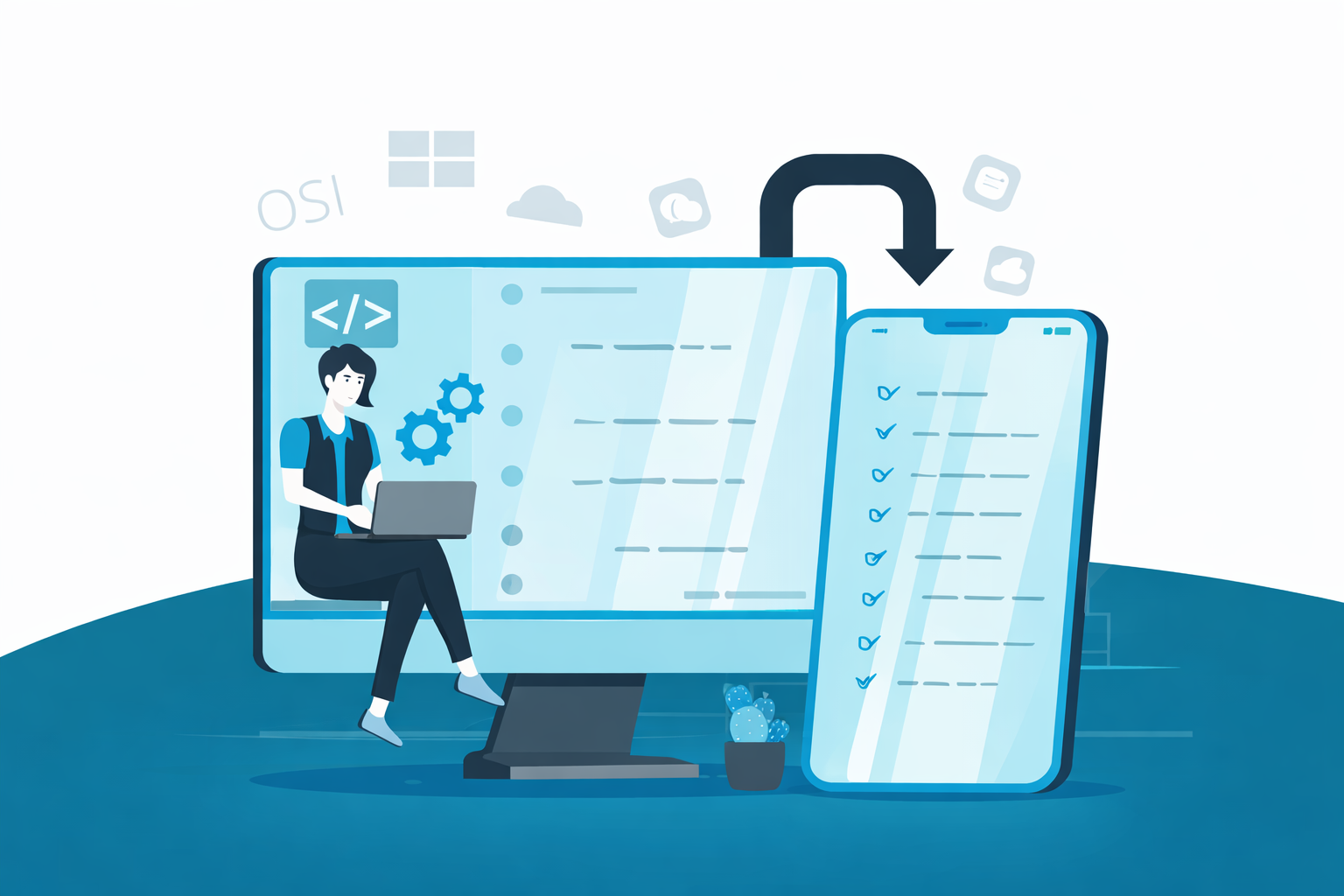
In addition, integrated mobile development allows access across devices. Employees no longer rely on office based systems alone. Instead, they review data, update tasks, and communicate from anywhere. Flexibility strengthens productivity.
Strong web design enhances usability as well. Clean layouts reduce confusion. Clear navigation prevents wasted time. As a result, employees move through tasks without hesitation.
Design decisions also influence morale. When systems feel intuitive, adoption increases naturally. Teams engage willingly rather than reluctantly.
Furthermore, alignment between development and business goals ensures long term value. Platforms scale alongside growth rather than requiring constant replacement.
Operational clarity emerges when tools reflect real workflow patterns. Instead of forcing adaptation, systems support existing processes.
Intelligent development does not overwhelm users with complexity. Instead, it prioritizes simplicity, stability, and relevance.
When digital tools operate reliably across devices and departments, daily work becomes predictable and efficient. Teams gain confidence because systems support their objectives rather than obstructing them.
Seamless Interaction and Clear User Navigation
Adoption depends on experience. Even powerful systems fail if employees struggle to navigate them. Therefore, strong user experience design shapes long term success.
Clear navigation reduces hesitation. When menus appear intuitive and options remain visible, employees move through tasks confidently. Consequently, training time decreases.
Adaptability also matters. With thoughtful responsive design, platforms function consistently across screens and devices. Teams maintain productivity whether using desktop, tablet, or smartphone.
Visual clarity supports decision making. When dashboards highlight priorities, managers respond quickly. This focus reduces distractions and strengthens alignment.
Moreover, interactive elements guide users naturally. Clear prompts and logical sequences prevent unnecessary steps.
Consistency in layout builds familiarity. When users recognize patterns within the platform, they complete actions efficiently.
Design should never distract from purpose. Instead, it should support understanding and progress.
By prioritizing navigation clarity and adaptable interfaces, digital systems become tools rather than obstacles.
Teams that interact comfortably with their platforms achieve more. Engagement rises. Productivity improves. Satisfaction increases.
Seamless interaction strengthens operational confidence. When employees trust the system, they rely on it daily.
Through careful attention to experience design, organizations ensure that digital solutions remain intuitive, reliable, and effective across evolving work environments.
Scalable Architecture and Long Term Digital Stability
Growth introduces complexity. Therefore, systems must evolve without disrupting workflow. Reliable website development ensures that platforms expand alongside business demands.
Scalable architecture supports additional users and data without performance loss. As teams grow, tools maintain speed and reliability.
Strategic SEO integration enhances visibility when systems connect externally. Clear digital positioning strengthens credibility and discovery.
Future planning also protects investment. Rather than replacing platforms frequently, organizations refine and expand existing frameworks.

Performance monitoring identifies optimization opportunities. Regular updates maintain efficiency and security.
Stable digital infrastructure reduces operational risk. Teams depend on reliable systems for reporting and communication. When platforms perform consistently, daily routines remain steady.
Expansion should not create chaos. Instead, it should feel manageable and structured.
By focusing on scalability and durability, organizations protect long term productivity.
Digital stability strengthens reputation internally and externally. Employees trust their tools. Stakeholders trust operational consistency.
Scalable architecture supports sustainable growth without sacrificing usability.
Through forward thinking development and strategic oversight, digital platforms remain assets rather than limitations.
Long term stability transforms everyday tools into dependable foundations for business performance.
Collaborative Planning and Digital Progress Ahead
Technology decisions shape daily operations. Therefore, collaboration during planning ensures meaningful outcomes.
WebDev200 partners with organizations seeking thoughtful digital advancement. Through consultation and analysis, teams identify gaps and improvement opportunities.
Strategic planning aligns digital systems with operational priorities. Clear objectives guide implementation.
If your organization seeks improved efficiency and smarter daily workflows, now may be the right time to explore refined digital tools.
Daily progress grows from intentional coordination. Systems that support clarity strengthen productivity across departments.
Digital transformation does not require disruption. Instead, it requires careful design and steady implementation.
Tools That Simplify the Way Teams Work Daily represent commitment to operational clarity and long term performance.
When collaboration guides development, outcomes remain relevant and sustainable.
Digital progress begins with evaluation and continues through refinement.
Organizations that invest in purposeful systems maintain agility and control.
Through partnership and practical innovation, teams achieve structured growth without unnecessary complexity.
Sustained digital progress strengthens everyday performance and prepares businesses for future expansion.