


Introduction to Mobile Risk and Exposure
Security considerations in mobile applications define the success of any serious mobile development project. Today, mobile apps handle payments, health records, private messages, and company data. Therefore, risk grows as functionality expands. Attackers constantly search for weaknesses, and they move quickly when they find one.
Mobile apps connect to servers, cloud platforms, and third party tools. Because of this connectivity, every connection creates a potential entry point. If teams ignore these risks early, vulnerabilities spread across the system.
Strong security begins at the planning stage. Developers must evaluate how data flows between the device and backend systems. They must also review how users authenticate and how sessions remain active. Without that awareness, flaws appear later.
Additionally, public WiFi increases exposure. Many users connect in airports and cafes. As a result, encrypted communication becomes essential. Secure API calls and certificate validation protect information during transmission.
Security also shapes user experience. When users feel safe, they engage confidently. However, when breaches occur, trust disappears quickly.
Mobile apps often connect with web platforms. Therefore, coordination with web design and backend teams strengthens protection across environments.
Reputation depends on digital trust. A compromised app damages online presence and reduces credibility. Because of that, businesses must treat security as a core priority.
Professional teams, including experienced partners like WebDev200, understand that security cannot wait until launch. Instead, it must guide decisions from the beginning.
Security considerations in mobile applications are not optional. They represent responsibility, protection, and long term success.
Authentication Standards and Identity Control
Authentication acts as the first defense line in mobile environments. Therefore, weak login systems create serious danger. Many breaches begin with stolen passwords. Because of this, strong identity protection remains critical.
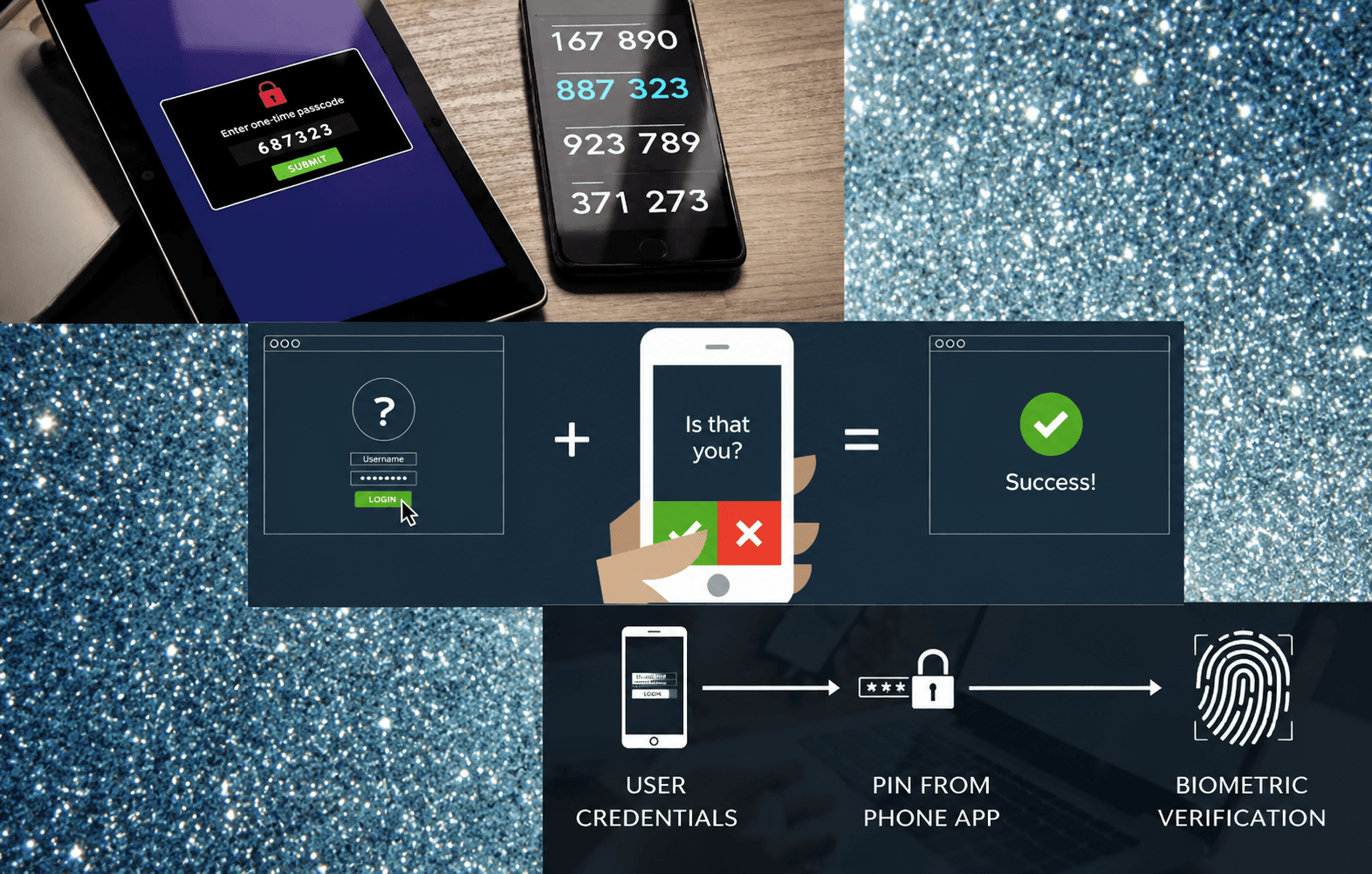
Multi factor authentication adds an extra verification step. Users confirm identity through codes or biometrics. As a result, attackers cannot access accounts with credentials alone.
Biometric login improves both speed and safety. Fingerprint and facial recognition simplify access while strengthening protection. However, developers must secure biometric data carefully.
Session management requires equal attention. Tokens must expire correctly, and idle sessions should close automatically. Otherwise, attackers may hijack active accounts.
Encryption protects login data during transmission. Secure HTTPS protocols prevent interception. Additionally, certificate pinning blocks fake servers from capturing credentials.
Role based permissions reduce internal risk. Not every user requires full access. Therefore, restricted roles limit damage if compromise occurs.
Authentication systems must align with connected business applications. When mobile apps integrate with internal tools, unified identity management prevents inconsistencies.
Secure coding practices also matter. Developers should never store credentials in plain text. Instead, they must use protected storage and encrypted keys.
A skilled web developer understands backend validation requirements. Collaboration between mobile and server teams prevents overlooked vulnerabilities.
Testing strengthens reliability. Penetration testing and vulnerability scanning reveal weaknesses before public release.
Ultimately, identity protection builds confidence. Without strong authentication, even advanced apps remain fragile.
Data Encryption and Secure Storage Practices
Data travels constantly between devices and servers. Therefore, encryption protects sensitive information in motion and at rest.
Transport layer security ensures safe communication channels. However, teams must also secure stored data. Local databases, cached responses, and logs may contain private information.
Developers should avoid unnecessary storage. The less data stored on a device, the lower the risk. When storage becomes necessary, encryption must protect it.
Key management determines encryption strength. If attackers access keys, protection fails. Consequently, secure hardware storage improves safety.
Third party libraries require careful review. Some outdated components contain known vulnerabilities. Therefore, regular updates reduce exposure.
Secure APIs prevent unauthorized access. Rate limiting and authentication tokens strengthen control.
Encryption also supports regulatory compliance. Many industries require strong data protection standards. Failing to comply leads to penalties and reputational harm.
Performance should not suffer because of encryption. Modern systems handle secure algorithms efficiently. As a result, teams have no reason to compromise safety.
Security planning must also consider backup systems. Cloud backups should be encrypted automatically. Otherwise, archived data becomes vulnerable.
Furthermore, clean input validation prevents injection attacks. Developers must treat all external data as untrusted.
Security considerations in mobile applications require discipline. Teams must review architecture regularly and adapt to evolving threats.
Strong encryption protects customers, supports credibility, and strengthens long term resilience.
Secure Coding Discipline and Threat Awareness

Secure coding reduces risk before attackers act. Therefore, developers must adopt disciplined habits consistently.
Hard coded credentials create easy targets. Instead, secure vault systems should store sensitive keys.
Input validation blocks common exploits. Developers must sanitize every field and verify data types. As a result, injection attempts lose effectiveness.
Error messages should remain generic. Detailed system information helps attackers map infrastructure. Controlled responses protect internal logic.
Code reviews improve awareness. When peers examine logic, hidden flaws surface quickly.
Threat modeling supports proactive defense. Teams identify possible attack paths and design countermeasures early.
Continuous monitoring detects unusual activity. Analytics tools reveal suspicious patterns. Consequently, rapid response limits damage.
Security training improves team readiness. Developers who understand evolving threats build stronger defenses.
Updates remain essential. Frameworks release patches regularly. Ignoring updates increases vulnerability exposure.
Security also influences digital visibility. A breach harms trust and may reduce SEO rankings indirectly.
Collaboration across departments strengthens protection. Mobile teams must align with backend and infrastructure teams.
Secure coding reflects responsibility. It shows commitment to quality and user protection.
Security considerations in mobile applications evolve constantly. However, disciplined development practices maintain stability and resilience.
Business Continuity and Long Term Trust Value
Security investments protect more than data. They safeguard revenue, credibility, and customer loyalty.
When users trust an application, retention improves. Therefore, strong protection supports growth.
Breaches disrupt operations and create financial loss. However, proactive planning prevents costly recovery efforts.
Security planning should align with a broader services strategy. Protection must integrate across digital initiatives.
Mobile apps rarely operate alone. They connect to dashboards, websites, and cloud systems. Unified defense reduces fragmentation risk.
Regular audits ensure ongoing compliance. Regulations evolve, and companies must adapt accordingly.
Security also enhances competitive advantage. Customers choose brands that demonstrate responsibility.
Strategic evaluation strengthens resilience. Teams should review authentication, encryption, and storage practices periodically.
Investing in security reduces long term costs. Preventing incidents costs less than repairing damage.
Security considerations in mobile applications support sustainable growth. Without protection, expansion becomes unstable.
Organizations seeking reliable performance must prioritize mobile security today. Evaluate risks carefully. Strengthen architecture deliberately.
Through proactive action and disciplined oversight, businesses can protect users while encouraging innovation.
Strong security builds trust. Trust supports continuity. Continuity sustains success.