


Strategic Foundations for Purpose Driven Platforms
Planning website features around business goals begins with clarity, not creativity. While many companies focus first on visuals, successful digital platforms start with measurable objectives. Therefore, leadership teams must define what the website should accomplish before any design or development work begins.
Some businesses want stronger lead generation. Others want higher product sales or improved brand authority. Because goals vary, feature selection must reflect specific outcomes. Otherwise, companies invest in tools that add noise instead of value.
Effective web development translates business priorities into structured functionality. For example, if lead generation matters most, then smart form placement, landing page segmentation, and CRM integration become critical. However, if brand positioning matters more, storytelling features and visual hierarchy require greater attention.
Additionally, alignment with branding & marketing strategy ensures consistency. Messaging tone, imagery, and calls to action should reinforce the broader brand narrative. As a result, visitors experience continuity across campaigns and channels.
Clear documentation supports execution. When teams define goals early, developers and designers work with purpose instead of assumption. That discipline prevents unnecessary revisions later.
Strategic planning also improves scalability. When features support long term objectives, future expansion becomes easier.
Planning website features around business goals transforms a digital presence from decorative to strategic. With defined objectives guiding every decision, companies create platforms that produce measurable results rather than static impressions.
Revenue Centered Feature Architecture
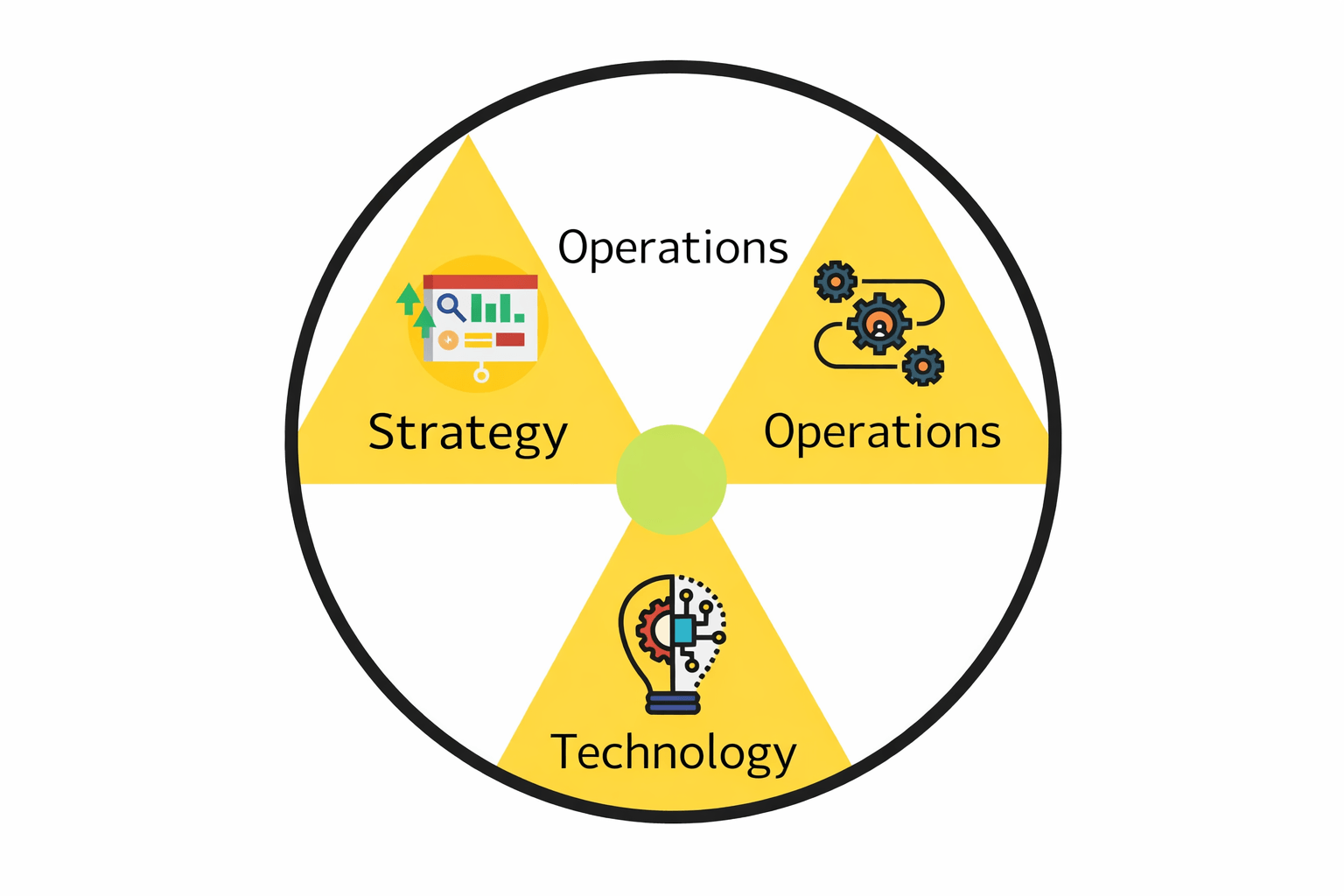
Revenue growth requires intentional architecture. Therefore, every revenue driven website must guide users through clear conversion pathways without confusion.
Lead capture systems illustrate this principle well. Short, well placed forms increase completion rates because they reduce friction. However, placement alone is not enough. Integration with internal business applications ensures captured data flows directly into operational systems, which improves response speed and follow up consistency.
Ecommerce functionality demands equal attention. Secure checkout processes, transparent pricing structures, and trust indicators reduce abandonment rates. Consequently, revenue increases not only through traffic but through improved efficiency.
Content strategy also influences financial performance. Informational resources improve authority, and optimized content strengthens SEO visibility. As search rankings improve, qualified traffic increases steadily over time.
Moreover, dynamic content personalization supports higher engagement. When visitors see relevant offers based on behavior or interest, they respond more positively.
Analytics dashboards complete the revenue framework. Without data tracking, businesses cannot evaluate performance accurately. Therefore, conversion metrics, traffic segmentation, and behavioral mapping must operate continuously.
Professional guidance from experienced teams such as WebDev200 ensures that technical implementation aligns with financial objectives.
Revenue centered feature planning does not overwhelm users. Instead, it simplifies the journey toward value exchange. When architecture reflects business intent, growth becomes measurable and sustainable rather than accidental.
Experience Alignment and Engagement Signals
Engagement reflects how effectively a website communicates value. Although visual design attracts attention, deeper engagement depends on clarity and usability.
Strategic web design shapes perception within seconds. Clean layouts, balanced spacing, and consistent typography communicate professionalism immediately. However, design must also support navigation logic so that users move confidently toward key information.
Thoughtful user experience planning reduces cognitive strain. Clear headings, structured content flow, and intuitive page hierarchy allow visitors to process information quickly. As a result, time on site increases naturally.
Mobile compatibility strengthens engagement further. Because many users browse on smartphones, responsive design ensures consistent performance across devices. Slow loading pages or broken layouts damage credibility quickly.
Speed optimization also contributes to retention. Image compression, efficient code, and optimized hosting reduce delay and frustration.
Accessibility standards expand reach. Alt text, readable contrast levels, and keyboard navigation improve inclusivity, which benefits broader audiences.
Interactive features such as chat support or scheduling tools encourage real time engagement. However, these tools must align with strategic objectives rather than appear randomly.
Experience alignment does not happen accidentally. It requires deliberate mapping between user expectations and business priorities. When design supports intention, engagement grows consistently.
Measurement Intelligence and Adaptive Growth
Launch marks the beginning of performance evaluation. Therefore, businesses must establish measurement systems before traffic increases.
Ongoing website development depends on continuous insight. Analytics platforms track visitor sources, behavior patterns, and conversion rates. Without these insights, decision making relies on assumption instead of evidence.
Testing frameworks strengthen refinement. A/B testing headlines, calls to action, and layouts reveals what resonates most effectively. Because small adjustments compound over time, consistent testing produces meaningful growth.
Search visibility also requires monitoring. Keyword ranking shifts and traffic patterns indicate content performance. When declines appear, teams can respond proactively.

Customer feedback offers qualitative insight. Surveys and usability sessions highlight friction points that data alone may not reveal.
Performance dashboards should remain accessible to leadership teams. Clear reporting encourages informed strategy discussions.
Feature updates must connect directly to measurable outcomes. Adding new tools without defined purpose disrupts coherence.
Moreover, measurement supports forecasting. Historical performance data informs future campaigns and resource allocation.
Planning website features around business goals remains incomplete without performance intelligence. Measurement transforms digital platforms into evolving systems rather than static builds.
Adaptive growth results from disciplined observation and consistent refinement, which ultimately strengthens long term competitiveness.
Sustainable Digital Direction and Execution Clarity
Sustainable growth depends on alignment between vision and execution. Therefore, businesses must revisit goals regularly and ensure that feature sets continue to reflect strategic priorities.
Digital services should operate cohesively rather than independently. When website functionality connects seamlessly with broader marketing and operational initiatives, impact multiplies.
Clear internal communication improves implementation. Documented objectives prevent misalignment between leadership and development teams.
Budget allocation also benefits from strategic clarity. When companies understand which features produce measurable results, investment decisions become focused rather than reactive.
Scalable infrastructure supports expansion. Hosting capacity, modular design, and flexible architecture allow growth without major disruption.
Continuous improvement requires accountability. Teams should review quarterly performance metrics and adjust priorities accordingly.
Strategic execution transforms planning website features around business goals into tangible outcomes. Without disciplined follow through, even strong strategies lose momentum.
Businesses seeking durable growth must treat their digital platform as a living asset. With structured planning, aligned execution, and consistent evaluation, websites evolve alongside organizational ambition.
Ultimately, clarity drives confidence. When goals guide features and data guides refinement, growth becomes intentional, measurable, and sustainable.