


Introduction to Data Visibility and Work Intelligence
Measuring productivity through digital tracking reshapes how modern companies operate. Instead of relying on guesswork, leaders now turn to data for clarity. Because work happens across platforms and devices, visibility becomes essential. Digital systems provide measurable insight into output, efficiency, and time allocation. As a result, decision making improves.
Clear measurement reduces confusion. When teams understand expectations, they align effort with results. Therefore, transparency builds accountability across departments. Employees feel guided rather than monitored. This shift strengthens trust.
Organizations that adopt structured tracking often integrate it into broader services. These tools connect communication channels, reporting dashboards, and operational workflows. Consequently, data flows smoothly between systems. Managers review performance without delay.
Rather than replacing leadership, digital tracking enhances it. Leaders identify patterns early. They adjust priorities quickly. Because information appears in real time, small inefficiencies no longer linger unnoticed.
WebDev200 approaches productivity tracking with strategic focus. The goal is not surveillance. Instead, it centers on growth and measurable improvement. When data highlights opportunity, teams respond with purpose.
As businesses evolve, measurement becomes a competitive advantage. Clear insight supports confident planning. Furthermore, structured tracking lays the foundation for sustainable progress. In today’s digital environment, informed action defines success.
Integrated Platforms and web development Foundations
Reliable productivity tracking begins with strong digital architecture. Without secure platforms, data becomes fragmented. Therefore, structured web development provides the technical base for performance measurement. Stable systems ensure accuracy while protecting information integrity.
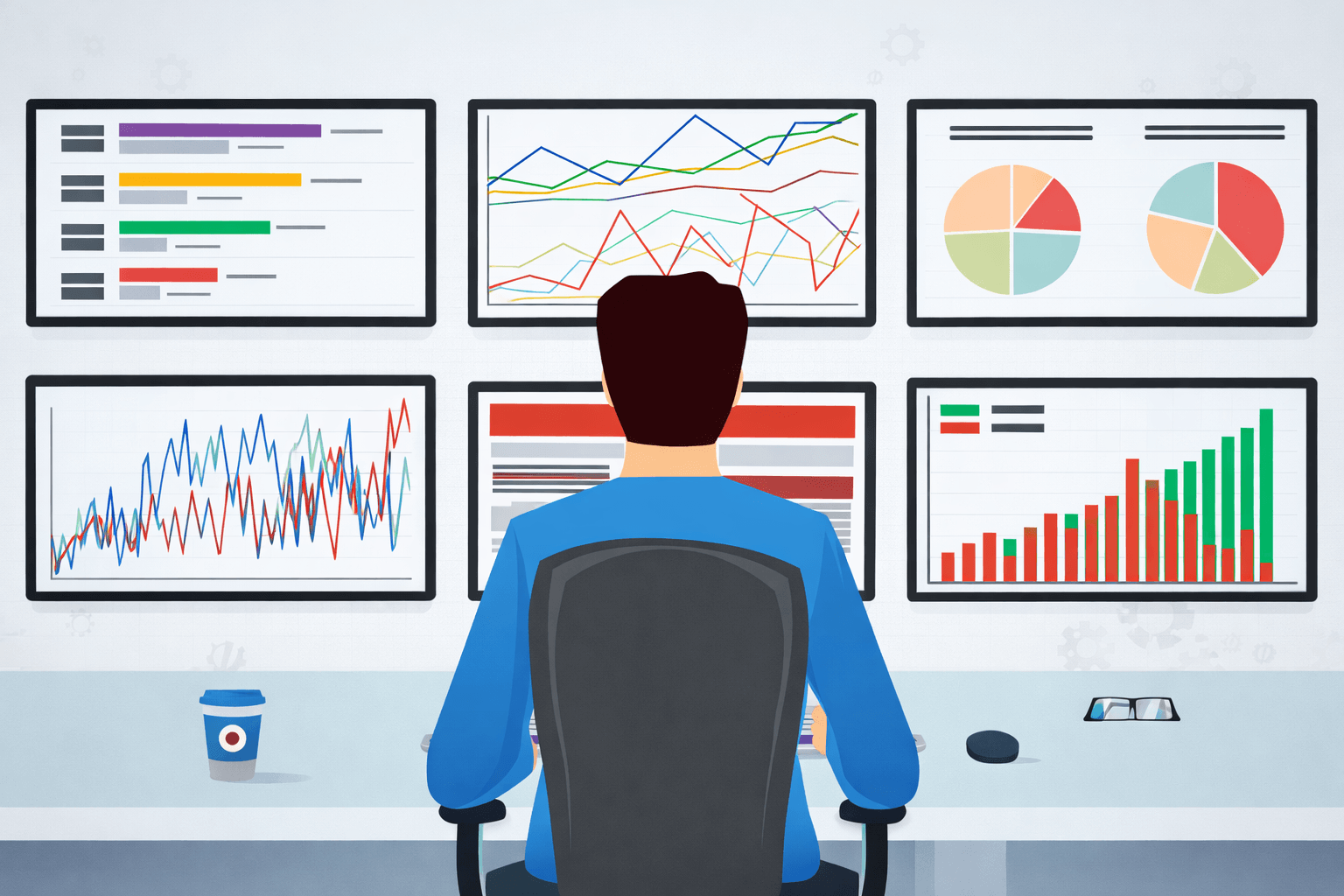
Integrated dashboards centralize reporting. Task completion rates, time allocation, and milestone progress appear in unified views. Because automation replaces manual updates, accuracy increases. Teams spend less time reporting and more time executing.
Customization strengthens alignment. Every company defines productivity differently. Some emphasize creative output. Others prioritize delivery speed. Through tailored development environments, tracking tools reflect specific objectives. As a result, measurement aligns with strategic direction.
Security remains essential. Protected databases and encrypted access prevent misuse. Consequently, employee trust remains intact. Productivity tracking supports growth rather than concern.
Scalability also shapes long term value. As organizations expand, tracking platforms adapt without disruption. Additional teams integrate smoothly. Therefore, investment today continues delivering insight tomorrow.
Strong digital infrastructure transforms measurement into daily practice. Instead of isolated tools, companies operate within cohesive systems. Data remains accessible yet organized.
When platforms function seamlessly, leaders gain clarity without complexity. Teams engage naturally with tracking features because they integrate within workflow. Through structured environments, productivity measurement becomes both efficient and empowering.
Operational Clarity Through business applications Systems
While infrastructure supports data collection, intelligent business applications interpret it. Raw numbers alone provide limited value. However, structured analysis converts metrics into direction. Therefore, applications transform information into actionable insight.
Performance dashboards visualize trends clearly. Managers compare productivity across projects and timelines. Because charts simplify complex datasets, leaders respond faster. Decision making becomes proactive instead of reactive.
Automation reduces repetitive administrative effort. Scheduled reports generate automatically. Notifications alert teams about approaching deadlines. As a result, staff concentrate on high value tasks. Efficiency improves steadily.
Collaboration features further enhance productivity tracking. Shared workspaces display task ownership. Consequently, accountability increases. Clear responsibility lines prevent duplication of effort.
Integration with communication systems strengthens coordination. Updates sync instantly across platforms. Therefore, teams remain aligned regardless of location. Data no longer sits in isolated channels.
Predictive insights also support performance improvement. When systems identify potential slowdowns, managers intervene early. Because alerts appear before issues escalate, workflow remains consistent.
Structured business applications encourage transparency across departments. Employees review progress in context. Leaders evaluate performance objectively. As clarity increases, workplace confidence grows.
Productivity tracking becomes meaningful when supported by intelligent tools. Through purposeful design and thoughtful integration, organizations move from simple measurement toward measurable advancement.
Digital Experience Optimization and user experience Insights
Productivity measurement extends beyond internal teams. It also influences how customers interact with digital platforms. A refined user experience often reflects efficient internal processes. Therefore, tracking informs both operations and engagement.
Analytics reveal navigation patterns. Visitors click certain pages more frequently. Because behavior data highlights preference, designers adjust layouts accordingly. Evidence replaces assumption.
Effective web design integrates performance metrics into creative decisions. Page load speed affects retention. Clear structure improves engagement. Consequently, data guides refinement across digital properties.
Adaptive responsive design supports access across devices. Tracking identifies whether users prefer mobile or desktop interaction. As a result, development teams prioritize optimization accordingly.
Visibility within search platforms also matters. Through structured SEO monitoring, companies measure keyword performance and traffic sources. Insight reveals which strategies drive growth. Therefore, marketing teams refine outreach with precision.
A strong online presence depends on consistent evaluation. Metrics such as bounce rates and session duration reveal audience behavior. Because teams monitor these indicators regularly, improvements remain continuous.
Strategic website development integrates analytics at every stage. Tracking tools embed within architecture from the start. This integration ensures that data collection supports creativity rather than limiting it.
When digital experiences align with measurable insight, innovation becomes informed. Designers create confidently. Businesses respond to audience needs swiftly. Through thoughtful measurement, customer engagement strengthens alongside internal productivity.
Alignment and Future Focused Digital Direction
Productivity tracking achieves full value when aligned with long term vision. Data alone does not create progress. However, informed action drives real change. Therefore, organizations must connect measurable metrics directly to defined business objectives.
Clear benchmarks guide interpretation. Teams define success early. Because everyone understands expectations, tracking feels constructive rather than restrictive. Employees focus on growth instead of comparison.

Regular evaluation sessions encourage open discussion. Leaders review performance trends transparently. Staff share insight about workflow efficiency. Consequently, digital measurement evolves through collaboration instead of top down control.
Future readiness demands flexibility. Technology continues to advance quickly. Therefore, tracking platforms must adapt without disruption. Modular updates allow new analytics tools to integrate smoothly. As a result, companies remain agile while maintaining operational stability.
Training reinforces confident adoption. Employees learn how to interpret data responsibly and accurately. When teams understand metrics clearly, they identify improvement opportunities on their own. Productivity tracking then becomes empowering rather than overwhelming.
WebDev200 supports organizations as they refine digital performance systems. When companies are ready to strengthen measurable growth, they can reach out to WebDev200 for tailored guidance and scalable solutions. Clear direction combined with intelligent tracking builds sustainable momentum.
Organizations that prioritize data driven management stay competitive. They respond quickly to change. They allocate resources with precision. Because insight informs every decision, growth remains steady and controlled.
Measuring productivity through digital tracking represents more than technological advancement. It reflects a commitment to transparency, efficiency, and forward thinking progress. When digital systems align with vision, performance becomes measurable, manageable, and continuously improving.