


Clear Foundations for Sustainable Digital Growth
Choosing the right structure for your business website determines how everything connects. When planning begins with web development, companies create a clear direction for layout, content flow, and future expansion. Instead of building pages randomly, strategic organization guides visitors with purpose.
A thoughtful foundation improves navigation. Because users expect clarity, they look for predictable menus and logical page order. When information appears where visitors expect it, trust increases immediately. Therefore, bounce rates decrease and engagement improves.
Strong digital planning also strengthens your online presence. Search engines analyze hierarchy and internal linking patterns. As a result, well organized websites often rank more effectively.
Moreover, design decisions should support usability. While web design influences first impressions, visual appeal alone cannot solve poor organization. Structure must support the message.
Companies that invest early in planning avoid unnecessary redesign later. Consequently, growth becomes smoother and less expensive. Instead of restructuring from scratch, teams expand confidently.
Navigation should feel natural. Pages should connect logically. Calls to action should guide movement forward.
Many businesses work with WebDev200 to ensure that foundation supports long term objectives. Because they combine strategy with technical planning, businesses gain clarity before development begins.
Ultimately, the right structure creates direction. It aligns branding, performance, and user behavior into one seamless experience.
Operational Alignment and Business Applications

As companies scale, websites must connect with internal systems. That is where business applications influence structural decisions. Without integration planning, workflows become disconnected.
For example, service pages may link to booking systems or dashboards. If those systems fail to align with navigation, confusion grows. Therefore, early alignment protects efficiency.
When architecture supports backend tools, teams update information faster. Consequently, productivity increases across departments.
Clear categorization of services also simplifies customer interaction. Instead of searching through scattered pages, visitors find relevant information quickly.
Additionally, integrated systems improve data tracking. Forms should connect to analytics platforms. Because data informs decisions, proper organization becomes essential.
Strong planning also improves user experience. When users move from inquiry to confirmation smoothly, satisfaction rises. That clarity encourages repeat engagement.
Although aesthetics matter, function drives loyalty. Clean page hierarchy supports both internal management and customer interaction.
Businesses that align operations with website planning reduce duplication. Instead of repeating content, they centralize information logically.
Furthermore, future growth becomes easier. As services expand, architecture accommodates updates without disrupting navigation.
Structured digital planning transforms websites into operational assets rather than static brochures.
Mobile Expectations and Responsive Design
Mobile traffic now exceeds desktop in many industries. Therefore, structure must prioritize adaptability. Planning for mobile development ensures consistency across devices.
Responsive planning does not simply resize pages. Instead, it rethinks layout flow and spacing. Because screens differ, navigation must adjust naturally.
Clear menus improve scanning on smaller devices. Short paragraphs improve readability. As a result, visitors stay engaged longer.
Strong responsive design supports this flexibility. Images scale properly. Buttons remain easy to tap. Content maintains hierarchy regardless of screen size.
Interactive elements also require balance. Thoughtful interactive features guide users without overwhelming them. When animations support clarity, engagement increases.
However, unnecessary effects slow performance. Therefore, speed optimization remains critical.
Mobile performance also impacts SEO rankings. Search engines prioritize mobile friendly experiences. Consequently, structure influences visibility directly.
Businesses that ignore mobile planning risk losing credibility. On the other hand, those that design responsively gain competitive advantage.
Testing across devices strengthens reliability. Because user behavior varies, analysis helps refine layout decisions.
Ultimately, structure should adapt naturally across environments. Mobile readiness no longer serves as an extra feature. It defines modern digital credibility.
Content Hierarchy and Search Visibility
Clear hierarchy improves discoverability. When pages connect logically, search engines crawl efficiently. Therefore, thoughtful website development supports ranking potential.
Primary categories should remain concise. Supporting pages should sit beneath relevant parent sections. This clarity improves internal linking strength.
Strategic keyword placement within content also influences performance. However, organization matters just as much.
A strong hierarchy also supports content expansion. When businesses publish new resources, they place them within existing categories logically.
Moreover, page depth should remain controlled. Too many nested pages confuse visitors. Instead, maintain balance between simplicity and detail.
Logical organization improves reader confidence. Visitors understand what to expect next. Consequently, engagement metrics improve.
Search visibility grows when content remains interconnected and purposeful.
Businesses that treat their website as evolving platforms maintain authority over time.
Confident Digital Direction and Long Term Success
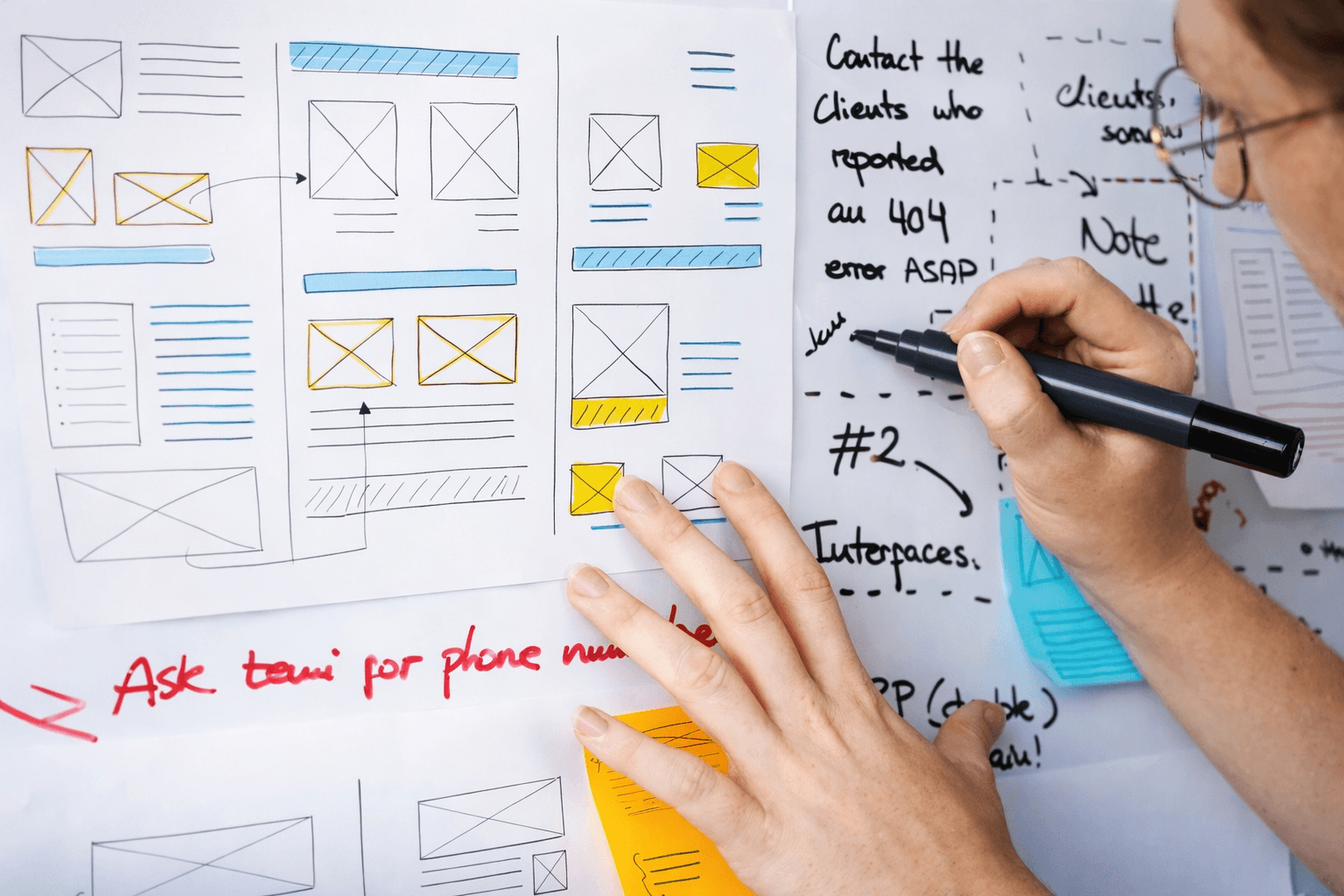
Choosing the right structure for your business website requires strategic thinking. However, when planning aligns with goals, results follow naturally.
Integrated systems support productivity. Responsive planning supports accessibility. Logical hierarchy supports search growth.
Clear direction prevents unnecessary revisions later. Instead of rebuilding repeatedly, companies refine confidently.
Because digital competition continues expanding, clarity becomes essential.
Strong architecture ensures your website grows alongside your business.
When planning feels intentional, performance becomes measurable.
Work with experienced professionals who understand alignment between strategy and execution. If you are ready to refine your digital direction, contact us to start the conversation today.
With careful planning and thoughtful implementation, your website becomes more than a presence. It becomes a strategic asset built for visibility, engagement, and long term growth.