

Modern App Expectations and Energy Aware Design
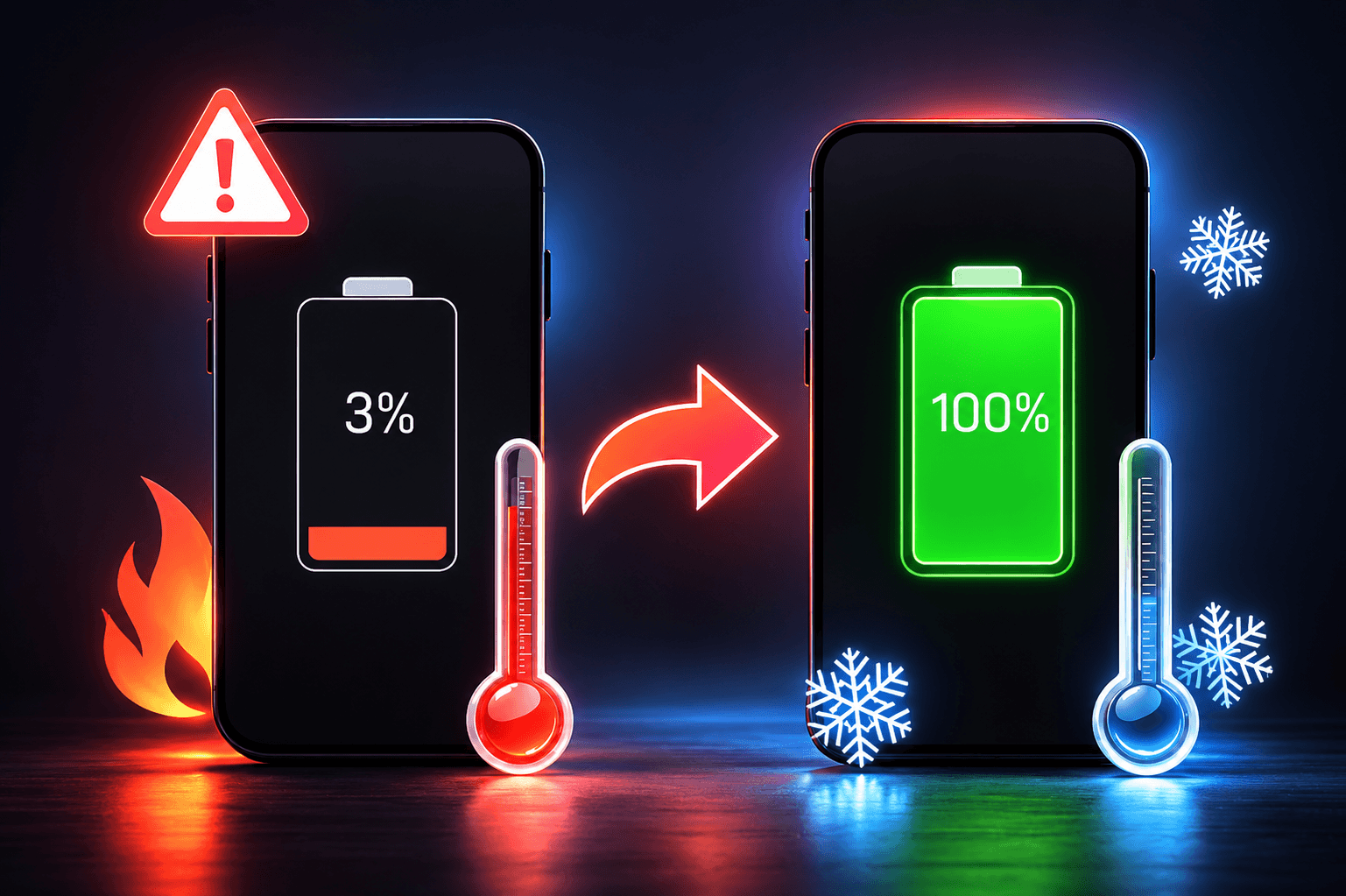
Balancing Performance and Battery Efficiency in Apps reflects a growing digital priority. Users expect fast loading screens. At the same time, they expect devices to last all day. Because smartphones power work and personal life, energy impact now shapes perception.
High performance once meant pushing processors harder. However, that approach drains batteries quickly. As a result, users uninstall heavy applications. Although strong features attract downloads, efficiency sustains retention.
WebDev200 recognizes this shift. The team builds digital services that respect both speed and device limits. Instead of overloading hardware, developers refine code carefully. Consequently, applications feel responsive without unnecessary drain.
Energy aware design starts early. Developers evaluate background processes before launch. They reduce automatic refresh cycles. Moreover, they limit unnecessary data syncing. Because of this discipline, apps consume fewer resources.
Design teams also contribute to efficiency. Clean interfaces reduce graphical weight. Therefore, devices render screens faster. In addition, simplified navigation reduces repeated actions that strain processors.
Users may not analyze technical details. Nevertheless, they feel the difference. If an app heats the phone or drains power rapidly, frustration grows. Conversely, when performance feels smooth and stable, trust strengthens.
Modern app strategy must consider sustainability. Performance and battery life no longer compete. Instead, they must support each other. Through thoughtful planning, developers create balanced digital experiences.
Energy awareness signals professionalism. It shows that a company values long term usability. As digital competition intensifies, this respect for user devices becomes a clear advantage.
Balancing performance and battery efficiency in apps therefore stands as a strategic necessity. Businesses that embrace this principle secure stronger engagement and consistent loyalty.
Efficient Code Foundations and Smart Development Choices
Efficient code determines how an app behaves under pressure. While heavy scripts may deliver dramatic effects, they often reduce stability. Therefore, disciplined web development plays a critical role.

Lean programming reduces processor strain. Developers remove unused libraries and compress assets. As a result, execution becomes faster. Moreover, battery usage decreases because fewer cycles run in the background.
Mobile development demands even greater care. Smartphones operate within fixed battery capacity. Consequently, every feature must justify its resource demand. Teams minimize continuous tracking tools and reduce idle tasks. This approach preserves energy without limiting functionality.
Business applications often manage data intensive processes. However, optimized caching and selective updates prevent constant server calls. Because data loads only when required, apps avoid unnecessary drain.
Responsive design also supports efficiency. Instead of loading identical assets across devices, adaptive layouts adjust to screen size and capability. Therefore, smaller devices receive lighter versions of content.
Careful web design reduces visual clutter. Heavy animation and large media files increase power consumption. By contrast, clean visual hierarchy enhances clarity and conserves resources.
Testing remains essential. Developers measure CPU usage, memory demand, and battery impact during simulations. Because these metrics reveal hidden inefficiencies, teams refine performance before release.
Smart development choices extend beyond coding. Strategic planning defines priorities. Features that deliver limited value but high energy cost may be reconsidered. This evaluation protects long term usability.
Efficient code foundations create dependable apps. Performance remains strong. Battery drain remains controlled. Together, they build digital products that users trust daily.
Experience Driven Optimization and Performance Balance
User experience influences how efficiently an app operates. Simple navigation reduces repeated taps. Therefore, streamlined journeys lower processor demand. Moreover, clear pathways guide users quickly to desired actions.
Optimization involves careful evaluation of visible and hidden tasks. Background updates, location tracking, and push notifications require thoughtful management. Because constant activity drains power, developers schedule these functions strategically.
Website development practices also inform mobile builds. Efficient asset loading and compressed files limit bandwidth use. Consequently, energy consumption decreases across networks.
SEO benefits from speed as well. Faster platforms improve search visibility. When performance improves, engagement metrics rise. Therefore, optimization supports both discoverability and efficiency.
Balanced apps rely on selective animation. While movement enhances appeal, excessive transitions increase CPU usage. Designers reduce motion intensity to protect battery life.
Cross device testing ensures reliability. An app may function smoothly on high end hardware but struggle on older models. Consequently, developers evaluate performance across multiple environments.
Users rarely think about resource allocation. However, they notice the results. If battery levels drop rapidly, dissatisfaction follows. On the other hand, stable performance builds confidence.
Performance balance requires ongoing analysis. Teams track load times and energy consumption after updates. Because digital environments evolve, optimization remains continuous.
Experience driven decisions protect engagement. Instead of focusing solely on visual impact, developers prioritize functional stability. As a result, apps remain practical for everyday use.
Balancing performance and battery efficiency in apps ultimately reflects user centered thinking. When platforms respect device limits, they encourage repeat interaction and long term loyalty.
Sustainable Growth Through Energy Conscious Engineering
Sustainable digital growth depends on consistency. Businesses cannot rely on brief bursts of high speed if devices overheat. Therefore, energy conscious engineering becomes essential.
WebDev200 integrates performance evaluation into each project phase. The team reviews battery impact alongside speed metrics. Because both factors influence retention, neither receives less attention.
Efficient apps reduce server demand. Lower processing needs translate into manageable infrastructure costs. Consequently, companies maintain financial stability while scaling operations.

Scalable architecture supports growth without extreme power consumption. When user traffic rises, optimized systems handle demand smoothly. Therefore, performance remains stable even during peak periods.
Data analysis strengthens engineering decisions. Developers compare performance benchmarks over time. If battery impact increases unexpectedly, adjustments follow quickly.
Energy awareness also aligns with environmental responsibility. Businesses increasingly value reduced digital waste. By limiting unnecessary processing, companies demonstrate commitment to sustainability.
Strategic refinement prevents stagnation. Updates introduce improvements without adding heavy features. Because each release undergoes performance review, quality remains consistent.
Sustainable growth results from deliberate balance. Performance attracts users. Efficiency retains them. Together, these elements drive long term success.
Organizations that embrace energy conscious engineering adapt more easily to evolving technology. New device models and operating systems integrate smoothly with optimized apps.
Balancing performance and battery efficiency in apps therefore supports stable expansion. Companies that prioritize both speed and sustainability secure a reliable competitive position in dynamic markets.
Collaborative Innovation and Responsible Digital Progress
Lasting success requires collaboration. Developers, designers, and business leaders must align on shared goals. Therefore, communication shapes effective digital progress.
Clear objectives guide each decision. Teams define acceptable battery thresholds and performance benchmarks early. Because expectations remain transparent, development stays focused.
Strategic planning considers future updates. Instead of adding heavy features later, teams evaluate energy impact in advance. Consequently, platforms remain adaptable without sudden strain.
Continuous testing strengthens reliability. Monitoring tools track resource usage in real time. When irregular patterns appear, corrective steps follow quickly.
Responsible digital progress also enhances brand credibility. Users trust companies that respect their devices. Although speed matters, responsible design creates lasting impressions.
Balanced collaboration encourages innovation without excess. Developers experiment carefully. They measure outcomes. As a result, creativity aligns with sustainability.
Organizations seeking dependable digital solutions benefit from thoughtful partnership. Balanced engineering supports both business growth and user satisfaction.
If your company aims to refine app performance while protecting battery life, meaningful discussion can reveal practical paths forward. Exploring tailored development strategies may unlock measurable improvements.
When readiness meets expertise, progress becomes steady and intentional. Consider how responsible planning can elevate your digital products.
Balancing performance and battery efficiency in apps ultimately reflects commitment to quality and accountability. Through collaboration and precise execution, businesses achieve reliable performance without unnecessary strain.