

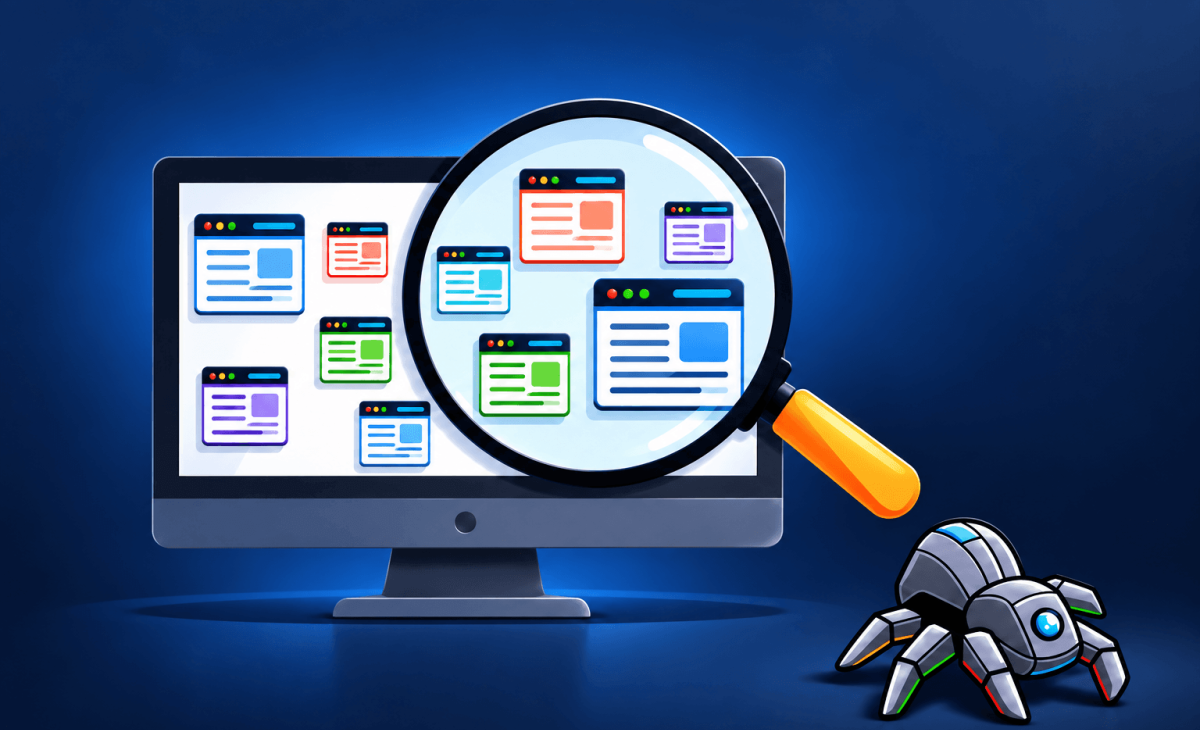
Search Discovery and the First Signs of a Digital Footprint
Search bots are automated programs that discover and scan content across the web. They follow accessible links, request page files, and gather signals that search engines may use later. This activity is called crawling, and it creates a technical record of how a site presents its information.
A digital footprint begins with every public URL, link, image, script, and document a website makes available. Search bots may find a new page through links from known pages, submitted sitemaps, or other public sources. Therefore, a clear site arrangement gives crawlers more reliable routes into content.
Services help businesses review the signals that guide this discovery process. The work may include checking internal links, page status codes, sitemap entries, redirects, and crawler access rules. In addition, a technical review can identify duplicate URLs or pages that lead bots into unnecessary loops. These checks make the site easier for both visitors and automated systems to explore.
When a bot requests a URL, the server answers with an HTTP status code. A successful response normally tells the crawler that the requested resource is available. Meanwhile, a redirect points toward another address, and an error may signal that the content cannot be reached. Accurate responses help search engines understand whether a URL is active, moved, missing, or temporarily unavailable.
Internal links provide another important trail. A clear link from a main page to a useful inner page tells crawlers that the destination belongs within the site. Descriptive anchor text can also give context about what waits on the next page. As a result, thoughtful web design supports discovery as well as navigation.
Technical Signals Across Pages and Connected Site Content

Strong web development gives search bots routes through a website. Developers can create logical URL patterns, navigation, stable links, and server responses. They can also reduce duplicate paths that lead to the same material. Consequently, crawlers spend less effort sorting through confusing versions of a page.
A robots.txt file can tell compliant crawlers which paths they may or may not access. The file belongs at the root of the relevant host, and its rules apply only within that scope. Still, blocking a URL from crawling is not the same as guaranteeing its removal from search. Site owners should choose the correct control for the result they actually need.
An XML sitemap lists preferred URLs that a site wants search engines to know about. It is especially helpful for large sites, new sites, or pages with limited internal links. However, a sitemap is a discovery aid rather than a command to index every entry. Each listed URL should still load properly and provide worthwhile content.
Canonical signals help search engines interpret several similar or duplicate URLs. A canonical element can indicate the preferred version, while redirects and internal links can support the same choice. Nevertheless, conflicting signals may weaken that guidance. Therefore, teams should use one clear preferred address throughout the site whenever practical.
Rendered content matters because many modern pages rely on JavaScript. A crawler may first retrieve the basic HTML and then process additional resources needed to view the completed page. If essential text or links appear only after a failed script, discovery and interpretation may suffer. Reliable responsive design should keep important content accessible across devices and loading conditions.
Page speed also affects how efficiently visitors and bots access a site. Large files, repeated requests, slow servers, and unstable scripts can delay the response. Although speed alone does not explain every search outcome, technical efficiency supports better access and a stronger user experience. It also reduces wasted resources for the business and its audience.
Search bots examine page titles, headings, visible text, links, images, and certain technical elements to interpret content. Yet they do not read a page exactly like a person or guarantee a preferred ranking. Clear language and accurate labels provide useful context without forcing repeated phrases. Good SEO connects technical access with content that genuinely answers a search need.
Images also contribute to the public footprint of a site. Descriptive file names, suitable alternative text, nearby copy, and accessible image URLs can help search systems understand visual material. However, alternative text should describe the image for people who cannot see it, not serve as a place for keyword lists. This approach supports accessibility while giving search engines honest context.
A web developer should also check what happens when pages move or disappear. Permanent redirects can guide users and crawlers from an old address to a relevant new location. In contrast, unrelated redirect chains may slow access and confuse the intended destination. Regular testing keeps these routes accurate after updates, migrations, or content changes.
Clearer Visibility and Stronger Support for Future Growth
A healthy online presence depends on what search bots can access and what visitors find useful after arrival. Technical availability creates the opportunity for discovery, while helpful content gives each page a reason to exist. Therefore, businesses should review both areas instead of treating crawling as an isolated task. A visible page still needs clarity, accuracy, and value.
Site owners can study server logs and search platform reports to learn how crawlers interact with their pages. These records may reveal blocked resources, repeated errors, unexpected redirects, or URLs receiving little attention. However, the data needs careful interpretation because one crawler visit does not prove indexing or ranking. Trends across time usually offer more useful direction than a single request.

Regular website development reviews become important as a site grows. New sections can introduce duplicate addresses, outdated links, missing metadata, or navigation gaps. Likewise, a redesign can change routes that search bots already know. A careful review before and after major updates can protect access to valuable pages.
Content maintenance matters as much as the first publication. Businesses should correct outdated details, repair broken references, and merge pages that no longer need separate coverage. In addition, meaningful updates should improve the page rather than change dates or wording without purpose. Search bots may return over time, but each search engine decides when another crawl is necessary.
Webdev200 can connect technical checks with the wider goals of a business website. That work may involve reviewing crawl access, navigation, page performance, content presentation, and search readiness. It can also align those findings with practical improvements for users. This broader view prevents teams from chasing crawler activity while overlooking the people the website must serve.
No ethical provider can promise that every page will be crawled, indexed, or placed at the top of results. Search engines make those decisions through their own systems and policies. Still, a business can remove avoidable barriers and present its pages with greater consistency. Honest expectations make long term planning more useful than shortcuts or unsupported guarantees.
A well prepared website leaves a cleaner digital footprint for search bots to follow. Accessible links, accurate responses, careful controls, useful content, and consistent preferred URLs all support clearer discovery. Moreover, routine reviews help these signals stay reliable as the website changes. Contact us to discuss practical improvements that can make your site easier to explore, understand, and maintain.