


Clear Information and Stronger Digital Business Insight
Websites collect information whenever people browse pages, click links, fill out forms, or complete purchases. Data segmentation divides information into useful groups based on shared traits or actions. As a result, teams can study patterns, compare results, and make choices with greater confidence.
Data segmentation does not change the facts within it. Instead, it gives each record context by placing it beside similar records. A company may group visitors by location, device, traffic source, purchase history, or stage in the customer journey. Therefore, broad totals become smaller views that can reveal needs hidden inside an average.
For example, a high conversion rate may look positive at first. However, a closer review might show that desktop visitors convert often while mobile visitors leave key pages. That difference gives the business an issue to examine.
Reliable grouping begins with a defined question. A team should know whether it wants to understand engagement, sales, retention, content use, or another measurable result. Next, it can choose categories that directly support that goal.
Digital services can help a business plan how information will be collected, labeled, and reviewed. This early planning matters because unclear names and inconsistent tracking can weaken later findings. Moreover, teams need shared definitions for actions such as a lead, conversion, active visitor, or returning customer. Common definitions make reports easier to compare across departments and time periods.
Privacy must remain part of the process from the start. Businesses should collect only the information they need, follow applicable privacy requirements, and explain their practices clearly. They should also limit access, protect stored records, and set sensible retention periods. Consequently, useful analysis can support business goals without ignoring the rights and expectations of visitors.
Good data segmentation also avoids assumptions about people. Groups should come from relevant, lawful data and a valid business purpose. In addition, teams should check whether categories create unfair conclusions or exclude important users. Careful review makes the findings more useful while supporting responsible decisions.
Data Segmentation and Practical Website Performance Insights
Within web development, data planning connects site activity with measurable business questions. Developers and analysts can define events for page views, form starts, form completions, downloads, searches, and purchases. However, tracking every possible action often creates noise. A better plan records meaningful events and includes the context needed to interpret them.
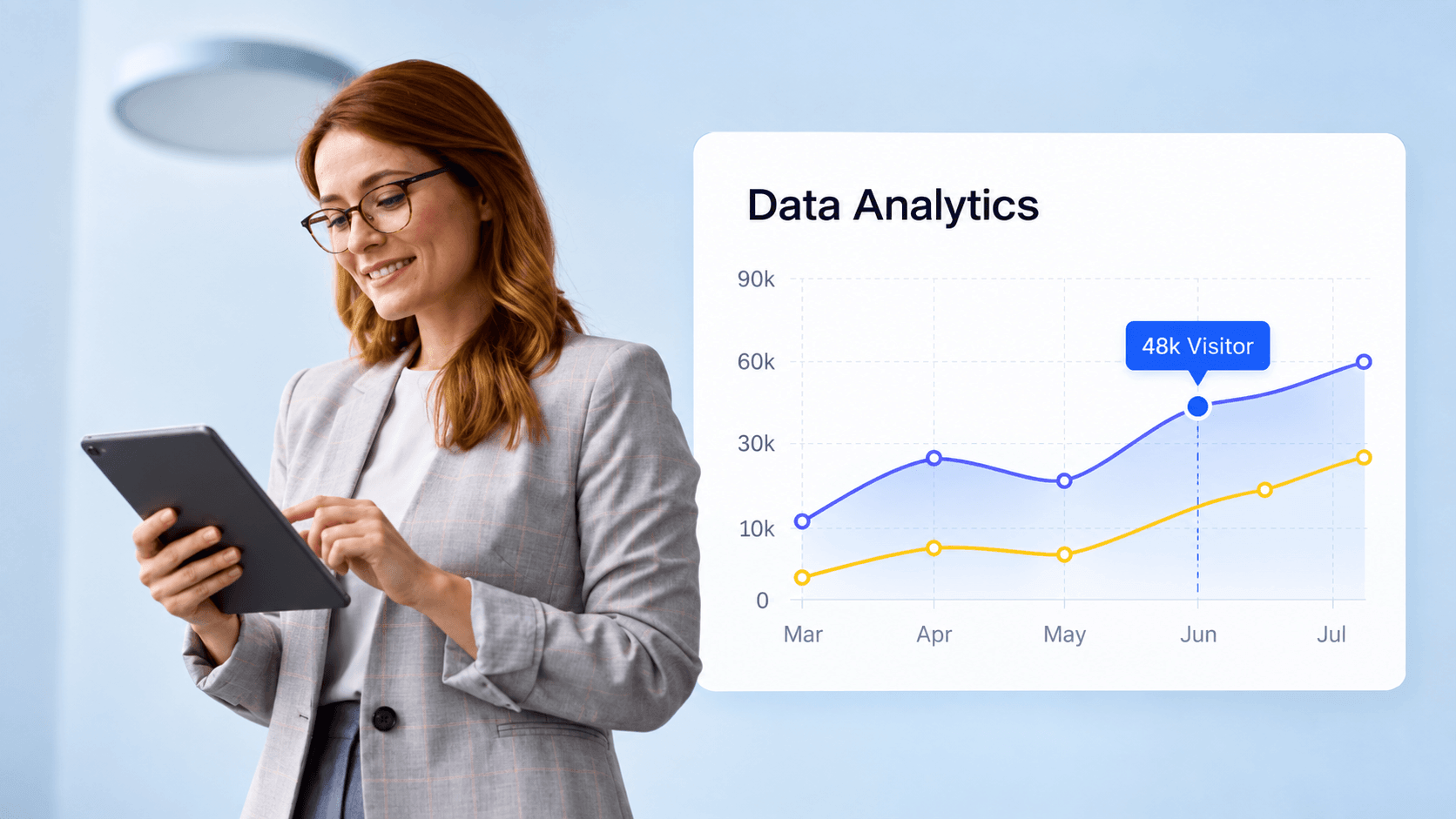
Useful segments may reflect behavior, source, technology, or customer status. Behavioral groups can show frequent visitors, first time buyers, or people who leave during checkout. Source groups compare organic search, paid campaigns, referrals, email, and direct visits. Meanwhile, technology groups can reveal differences among device types, browsers, and screen sizes.
These comparisons can guide web design choices with real evidence. If visitors often miss an important action on small screens, the team can examine placement, clarity, and page flow. Likewise, if a certain content group leads to more inquiries, related topics may deserve greater visibility. The data identifies where to investigate, while research and testing help explain why the pattern exists.
Segmentation can also strengthen the user experience by showing how different audiences complete the same task. Still, personalization should serve a clear purpose and remain transparent. Too many narrow variations can create maintenance problems and make results harder to evaluate.
A responsive design review becomes more useful when teams compare results by device and viewport size. Mobile traffic alone does not prove that a mobile page works well. Instead, teams should examine task completion, error rates, engagement, and speed for each relevant group. These measures provide a fuller view of how the site performs across screens.
Search analysis offers another practical use. Through SEO reporting, a business can compare landing pages, search themes, locations, and visitor intent. However, rankings and traffic should not stand alone. Connecting search groups with helpful actions, such as reading key content or sending an inquiry, shows whether visibility supports genuine business value.
Accurate results depend on clean and consistent information. Duplicate events, missing campaign labels, internal staff traffic, and bot activity can distort reports. Therefore, teams should test tracking before launch and review it after major site changes. Regular checks help confirm that each segment still represents what its label claims.
Several principles support useful analysis:
- Begin with one clear question and a measurable outcome.
- Choose categories with enough data for a fair comparison.
- Compare similar time periods and traffic conditions.
- Check data quality before drawing any conclusion.
- Test important findings before making broad changes.
Data segmentation shows relationships, but it does not always prove cause. For instance, mobile users may convert less often because of page problems, different intent, or outside conditions. Thus, teams should combine reports with usability research, feedback, and controlled tests. This balanced method turns patterns into informed action instead of quick guesses.
Clear Digital Direction and Measurable Business Results

A strong online presence depends on more than publishing attractive pages. Consequently, each team can use relevant findings without relying on one broad report.
Website development can support this work through clear event names, dependable form tracking, accessible navigation, and suitable analytics connections. It can also reduce gaps between a site’s technical setup and its reporting goals. When these parts align, teams spend less time correcting records and more time improving real visitor outcomes.
The process should remain manageable. A small business may begin with segments for device, source, new and returning visitors, and completed goals. Later, it can add categories when a clear question requires them. Starting with a focused set makes reports easier to maintain and helps stakeholders learn what each comparison means.
Teams should review segments as goals and site features change. A category that once supported a campaign may no longer help current decisions. Likewise, a new form, product area, or customer portal may require updated events and labels. Scheduled reviews keep reporting relevant while reducing outdated or unused data.
Clear presentation matters as much as correct collection. Reports should explain the question, the period covered, the group definition, and the result being measured. In addition, they should separate facts from interpretations and recommended actions. Readers can then understand what the data shows, what remains uncertain, and what the team plans to test next.
Webdev200 connects thoughtful data planning with websites built around clear business aims. Rather than treating analytics as an afterthought, the team can consider measurement needs during planning, design, testing, and ongoing improvement. This connection helps businesses gather useful information and apply it with better context. It also supports decisions grounded in observable site activity.
Data grouping makes web information easier to explore, but its value comes from the decisions that follow. Clear questions, consistent tracking, responsible collection, and careful testing turn separate records into practical insight. As a result, businesses can find friction, recognize useful content, and direct effort toward changes that serve visitors and business goals.
For a website supported by clearer measurement and purposeful digital planning, contact us today. We can help connect your website goals with organized data that supports informed improvement. With a sensible data segmentation plan, your team can move beyond broad totals and understand the audiences, actions, and pages that matter most.