

First Impressions That Shape Every Digital Interaction
The first click often decides everything. When someone lands on a website, they form an opinion within seconds. If the experience feels smooth and clear, they stay. If not, they leave without a second thought. Because of this, a website must feel right from the very beginning.
A good digital presence is not only about appearance. It also involves how quickly pages load, how easy it is to move around, and how naturally content flows. When all of these elements work together, users feel comfortable. As a result, they are more likely to continue exploring.
This is where Webdev200 comes in. The goal is not just to build websites, but to create experiences that feel effortless. Every detail is designed to support how people interact online.
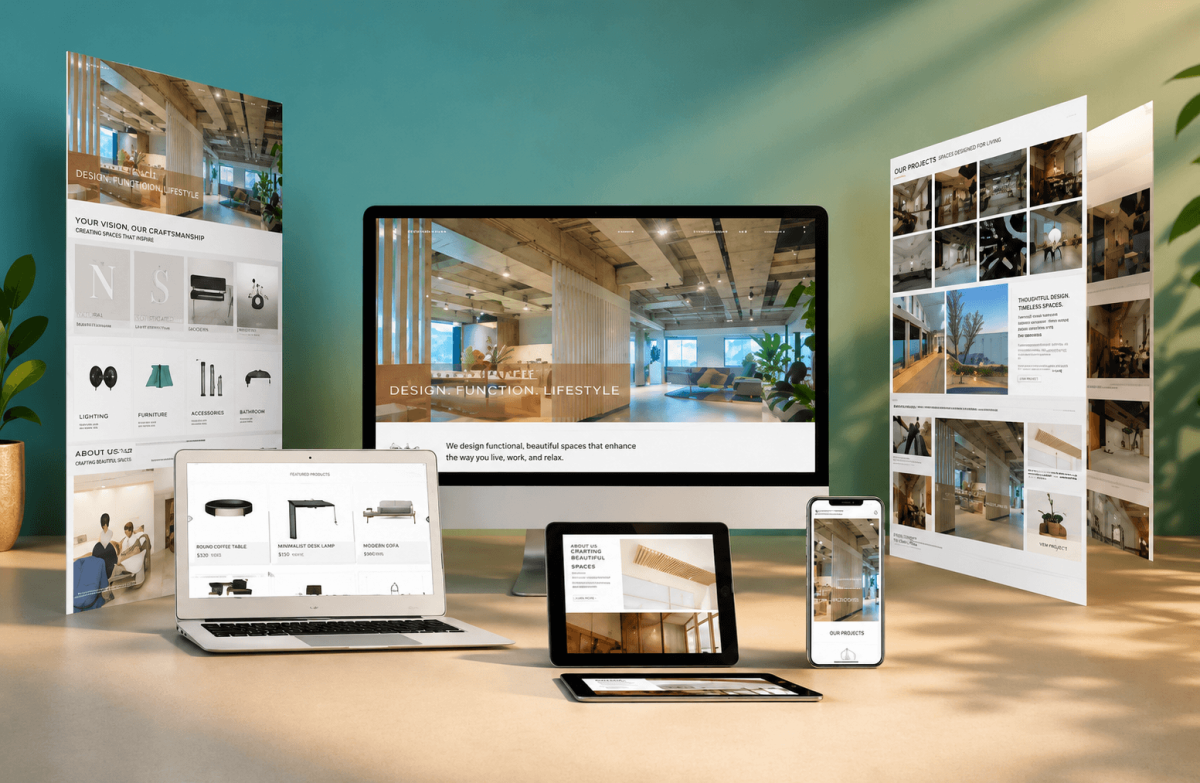
At the same time, users expect consistency. Whether they visit from a phone or a desktop, the experience should feel the same. This ensures that no matter how they access the site, everything remains clear and easy to use.
Moreover, trust begins with design. A clean and organized layout shows professionalism. This encourages users to stay longer and engage more.
In addition, clarity plays a major role. When users understand what they see, they feel confident navigating through it. This reduces confusion and improves overall interaction.
Overall, the first impression sets the tone. When it feels right, everything else becomes easier to build from there.
Smooth Navigation And Seamless User Experience Across Devices

After the first impression, the experience must remain consistent. Users expect to move through a website without friction. If navigation feels confusing, they quickly lose interest. Because of this, simplicity becomes essential.
A strong user experience ensures that each step feels natural. Buttons should be easy to find. Information should be clear. Each page should guide users without making them think too much. When this happens, engagement improves.
At the same time, responsive design allows websites to adapt to different screens. Whether viewed on a mobile device or a larger display, everything should adjust properly. This creates a seamless transition between devices.
Moreover, accessibility improves usability. When content is easy to read and interact with, users stay longer. This builds a stronger connection with the website.
Another important factor involves speed. Slow pages often lead to frustration. However, optimized performance keeps users engaged. This supports better outcomes.
In addition, consistency across pages strengthens trust. When each section feels connected, users feel more comfortable navigating.
Furthermore, clear structure helps guide attention. Instead of overwhelming users, the layout directs them toward important information.
Overall, smooth navigation creates a better journey. When users move easily from one section to another, the experience becomes more enjoyable and effective.
Strong Digital Foundations That Support Long Term Growth
A website is more than just a visual platform. It acts as a foundation for growth. When built properly, it supports both current needs and future expansion.
This is where web development becomes essential. Behind every smooth interface is a system that ensures stability. Without it, performance can suffer. Therefore, strong technical groundwork matters.
At the same time, website performance influences user behavior. Faster loading times and stable functionality improve engagement. This encourages users to explore more.
Moreover, scalable systems allow websites to grow. As businesses expand, their digital presence must adapt. A flexible structure supports these changes without disruption.
Another factor involves security. Protecting user data builds trust. When systems remain secure, users feel more confident interacting with the platform.
In addition, integration supports functionality. Websites often connect with other tools and systems. When these connections work smoothly, operations improve.
Furthermore, ongoing updates ensure relevance. Technology changes quickly, and websites must keep up. Regular improvements help maintain performance.
Overall, a strong foundation supports long-term success. It ensures that the website continues to perform well as needs evolve.
Mobile Development And Branding That Strengthen Engagement
Modern users rely heavily on mobile devices. Because of this, websites must function smoothly on smaller screens. This is where mobile development becomes important.

A mobile-friendly experience ensures that users can access information easily. When navigation feels simple on mobile, engagement increases. This supports better interaction.
At the same time, branding shapes how users perceive a business. Through marketing and branding, websites communicate identity and purpose. This creates a stronger connection with users.
Moreover, consistent design reinforces recognition. When visuals align with messaging, users remember the brand more easily.
Another factor involves clarity. When branding elements are simple and direct, users understand them quickly. This improves overall experience.
In addition, mobile optimization improves accessibility. Users can interact with the website anytime and anywhere. This expands reach.
Furthermore, combining mobile functionality with branding creates a balanced experience. Users not only navigate easily but also connect with the message.
Overall, mobile development and branding work together. They ensure that users engage with both the functionality and the identity of the website.
A Better Digital Presence That Continues To Evolve Over Time
A website should never remain static. As user needs change, the experience must adapt. This ensures that it remains relevant and effective.
At the same time, continuous improvement supports growth. Small updates can create noticeable changes. Over time, these improvements strengthen the overall platform.
Moreover, a strong digital presence influences how users perceive a business. When everything works smoothly, trust increases. This encourages long-term engagement.
Another factor involves adaptability. As trends evolve, websites must adjust. This keeps them aligned with current expectations.
In addition, consistent performance supports reliability. When users know what to expect, they feel more comfortable returning.
Furthermore, growth depends on how well the website supports users. When experiences remain positive, engagement continues.
If you are looking to improve how your website performs and feels, taking the next step matters. You can always reach out to explore how the right approach can create better results.
In the end, a website that feels right from the first click continues to deliver value long after that first interaction.