


The Rising Importance of Safety in Digital Experiences Today
Online activity continues to grow every day. People shop, communicate, and manage tasks through digital platforms. Because of this, risks have also increased. Scams, data breaches, and unsafe websites now affect users more often. Therefore, businesses must take digital safety seriously.
Users expect secure experiences. When they visit a website, they want to feel confident that their data is protected. If a platform looks unsafe, they leave quickly. This means safety is not only a technical issue. It also affects trust and reputation.
Webdev200 recognizes this shift and focuses on building safer environments. By combining modern practices with strong security awareness, digital platforms become more reliable. This helps businesses protect both their operations and their users.
In addition, online risks continue to evolve. New threats appear as technology advances. Because of this, businesses must stay updated. Static systems no longer work. Instead, ongoing improvements are required to maintain safety.
Moreover, user awareness plays a role. Many people now recognize warning signs of unsafe websites. They look for secure connections and clear design. Therefore, businesses must meet these expectations to remain credible.
At the same time, performance and safety must work together. A secure website should still load quickly and function smoothly. This balance ensures a positive experience.
As digital use continues to expand, safety becomes a key priority. Businesses that invest in secure systems can protect users while building stronger trust. This creates long-term value in a competitive digital space.
Strong Web Development Practices for Secure Platforms
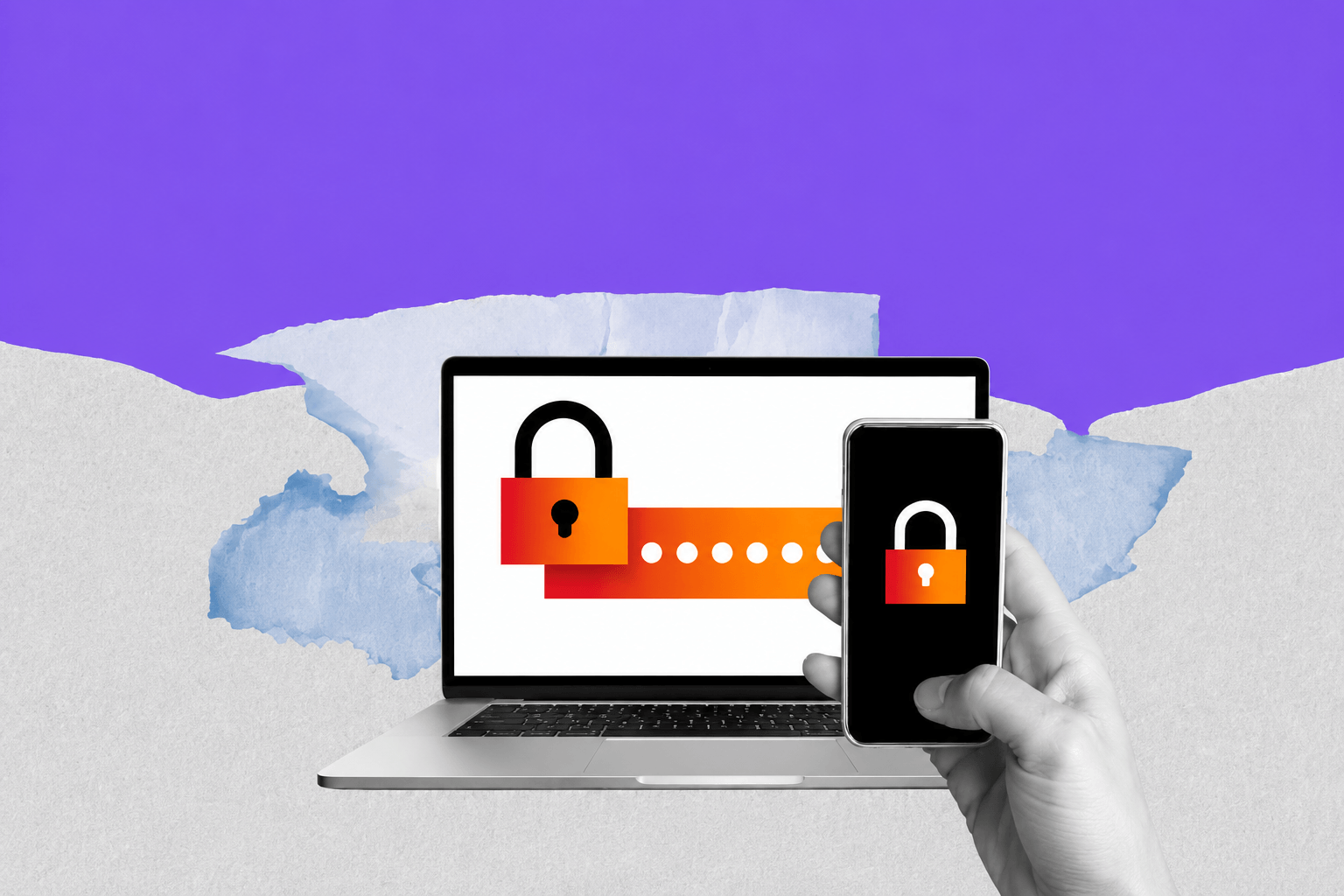
Secure platforms begin with strong web development. Every element of a website must be designed with safety in mind. This includes how data is handled, how systems communicate, and how users interact with the platform.
One of the first steps is secure coding. Developers must follow best practices to prevent vulnerabilities. This reduces the risk of attacks and protects sensitive information. Small errors in code can lead to major issues, so attention to detail is critical.
In addition, encryption plays a key role. Secure connections ensure that data is protected during transmission. This prevents unauthorized access and keeps user information safe. Websites that use secure protocols also build trust with visitors.
Another important factor is regular updates. Systems must stay current to defend against new threats. Outdated software often becomes a target for attacks. Therefore, continuous maintenance is essential.
Moreover, testing improves security. Developers must identify potential weaknesses before they become problems. By testing systems regularly, businesses can fix issues early and maintain strong protection.
User authentication also strengthens security. Proper login systems prevent unauthorized access. This is especially important for platforms that handle personal or financial data.
Furthermore, design plays a role in safety. Clear layouts help users navigate easily and avoid confusion. This reduces the risk of mistakes that could lead to security issues.
Strong web development creates a foundation for secure digital spaces. By focusing on safety from the start, businesses can build platforms that protect users effectively.
Mobile Development and Safety in Everyday Digital Use
Mobile devices are now a primary way people access digital platforms. Because of this, mobile development must also focus on safety. Users expect secure experiences whether they are using a phone or a computer.
One key aspect is secure app design. Mobile applications must protect user data at all times. This includes storing information safely and preventing unauthorized access. Strong security measures help reduce risks.
In addition, app permissions must be clear. Users should understand what data is being collected and why. Transparent permissions build trust and improve user confidence.
Another important factor is performance. Secure apps must still run smoothly. Slow or unstable apps can frustrate users and reduce engagement. Therefore, developers must balance safety with usability.
Moreover, mobile threats continue to grow. Phishing attempts and malicious apps are common risks. Developers must design systems that protect users from these threats. This includes verifying sources and monitoring activity.
Regular updates also improve mobile security. As new threats emerge, systems must adapt. Keeping apps updated ensures that they remain protected against evolving risks.
Furthermore, integration with secure systems enhances protection. Mobile platforms often connect with other services. Ensuring that these connections are secure is essential for maintaining overall safety.
As mobile usage increases, secure development becomes more important. By focusing on protection and usability, businesses can create safer experiences for everyday users.
Preventing Online Risks Through Smarter Digital Design

Preventing online risks requires more than technical solutions. It also involves thoughtful design. Websites and apps must guide users safely while protecting their data.
One important approach is clear navigation. When users understand how to move through a platform, they are less likely to make mistakes. This reduces the risk of falling for scams or entering incorrect information.
In addition, visual cues help improve safety. Secure websites often display trust indicators, such as lock icons or verification badges. These signals reassure users and build confidence.
Another factor is education. Platforms can provide simple tips to help users stay safe. For example, reminding users to create strong passwords can reduce risks. Small steps like this make a difference.
Moreover, monitoring systems help detect unusual activity. By tracking behavior, platforms can identify potential threats early. This allows businesses to respond quickly and prevent damage.
Data protection also remains critical. Systems must store information securely and limit access. This reduces the risk of breaches and protects user privacy.
Furthermore, collaboration improves security. Businesses often work with experts to strengthen their systems. This ensures that platforms meet modern safety standards.
Smarter design creates safer digital spaces. By combining usability with protection, businesses can reduce risks and improve user experience.
A Smarter Approach to Protecting Users and Digital Growth
Digital safety will continue to shape the future of online experiences. As risks evolve, businesses must stay prepared. This requires a proactive approach to security and development.
Webdev200 supports this approach by delivering solutions that focus on both safety and performance. Their expertise helps businesses create platforms that protect users while maintaining strong functionality.
In addition, continuous improvement is essential. Systems must be updated regularly to address new threats. This ensures that platforms remain secure over time.
Moreover, investing in the right tools makes a difference. Advanced technologies support better monitoring and faster responses. When combined with skilled teams, they create a strong defense against risks.
Another important factor is trust. Users are more likely to engage with platforms that feel safe. By prioritizing security, businesses can build stronger relationships with their audience.
Furthermore, scalability supports growth. As businesses expand, their systems must handle more users without compromising safety. Flexible solutions make this possible.
If your organization is ready to improve digital safety and protect users more effectively, now is the time to act. Building secure platforms today can support long-term success. Contact us to explore how smarter development solutions can help you create safer digital spaces.