


The Expanding Mobile App Ecosystem and Development Choices
Mobile technology has reshaped how people interact with digital services. From shopping to communication, most activities now happen on smartphones. Because of this shift, companies increasingly invest in mobile applications to reach their audiences. However, one key decision appears early in the process. Should a company build native apps or cross platform apps?
This choice directly affects performance, cost, maintenance, and user experience. Therefore, businesses must understand how each approach works before starting development.
Native apps are designed specifically for a single operating system such as iOS or Android. Developers create them using tools and languages built for that platform. Because of this, native applications often deliver smooth performance and deep integration with device features.
On the other hand, cross platform apps rely on frameworks that allow one codebase to work across multiple operating systems. This method reduces development time because teams do not need separate projects for each platform.
Yet the decision involves more than efficiency. Companies must also consider the long term impact on digital growth. Strong mobile development supports customer engagement, product functionality, and brand perception. When an application performs well, users return frequently and trust the service.
Another factor involves digital expansion. Many organizations connect apps to broader platforms built through web development. When websites and apps operate together smoothly, businesses provide consistent experiences across channels.
Ultimately, choosing a development approach requires careful evaluation of goals, resources, and user expectations. Each strategy offers advantages. However, the right decision depends on the needs of the business and the experiences they hope to deliver.
Understanding these differences early helps organizations build apps that remain valuable and reliable for years.
Performance Expectations and Device Integration Considerations
Performance often becomes the first factor companies evaluate when comparing development approaches. Mobile users expect apps to open instantly, respond quickly, and run smoothly. Any delay or glitch may lead users to uninstall the application.

Native apps typically perform well because they communicate directly with the device operating system. Developers can access hardware features such as cameras, sensors, and notifications without limitations. As a result, native applications often deliver fast and stable experiences.
For companies building feature rich products, this direct connection offers clear advantages. Apps that rely on graphics processing, advanced gestures, or offline capabilities benefit greatly from native performance.
However, cross platform frameworks have improved significantly in recent years. Modern tools now allow developers to create responsive apps that perform well across many devices. While performance differences still exist in complex scenarios, many standard business applications function effectively with cross platform solutions.
Beyond performance, interface consistency plays an important role. Mobile users quickly notice design differences between apps and operating systems. Platforms that prioritize strong user experience ensure that navigation feels natural within each environment.
Design details also contribute to perception. Visual consistency across devices helps users trust and understand the product. For example, thoughtful web design principles can guide mobile layouts, ensuring that typography, spacing, and navigation remain clear.
Additionally, mobile platforms increasingly interact with broader digital ecosystems. Interactive elements within apps often mirror features found on websites or digital platforms. This connection strengthens engagement and supports cohesive experiences across services.
Therefore, performance and integration should guide development decisions. Businesses must consider how their apps will function in everyday use, not just during development.
When these factors align with product goals, mobile applications become reliable tools that users depend on regularly.
Development Efficiency and Resource Allocation Across Teams
While performance matters, development resources also shape the decision between native and cross platform approaches. Many organizations must balance innovation with realistic budgets and timelines.
Native development usually requires separate teams for different operating systems. One team may focus on Android while another builds the iOS version. Although this approach allows deep platform optimization, it can also increase costs and extend development schedules.
Cross platform development offers a different advantage. With one shared codebase, developers can create applications that run on multiple systems simultaneously. This efficiency reduces development time and allows teams to launch products faster.
For startups or small teams, this flexibility can be extremely valuable. Instead of managing two parallel projects, developers focus on a single environment. Updates and new features often require less effort because the same code works across platforms.
However, efficiency should not overshadow strategic planning. Businesses must evaluate how their applications will evolve. If an app requires complex device integration or highly specialized features, native development may still provide better long term results.
Team collaboration also influences success. Modern digital products often combine mobile apps with websites and internal tools. For instance, some organizations connect mobile apps to platforms created through website development. These systems support user accounts, content management, or customer interactions.
Furthermore, mobile applications often contribute to broader marketing goals. An engaging app strengthens brand identity and encourages consistent engagement. When digital products align with branding & marketing strategies, companies build stronger relationships with users.
Ultimately, resource allocation requires balance. Development efficiency, product complexity, and long term scalability all play important roles.
When teams carefully evaluate these factors, they can choose a development path that supports innovation while remaining practical.
Consistency Across Devices and Digital Experience Expectations
Users rarely rely on a single device today. Many people switch between phones, tablets, laptops, and desktops throughout the day. Because of this behavior, digital experiences must remain consistent across platforms.
Mobile applications often connect with websites, cloud services, and online accounts. Therefore, consistency between these systems improves usability and trust. When users move between platforms, they expect familiar layouts and predictable functionality.
This expectation highlights the importance of responsive design. Although responsive design primarily applies to websites, its principles influence mobile development as well. Designers aim to create flexible layouts and navigation systems that adapt to different screens and contexts.
For example, a customer may begin browsing a product catalog on a website and later continue through a mobile application. If the design language remains consistent, the transition feels natural. However, if navigation changes dramatically, users may become confused.
Consistency also supports digital visibility. Many companies build mobile apps to complement their broader online presence. When apps reflect the same visual identity and functionality as websites, audiences recognize and trust the brand more easily.
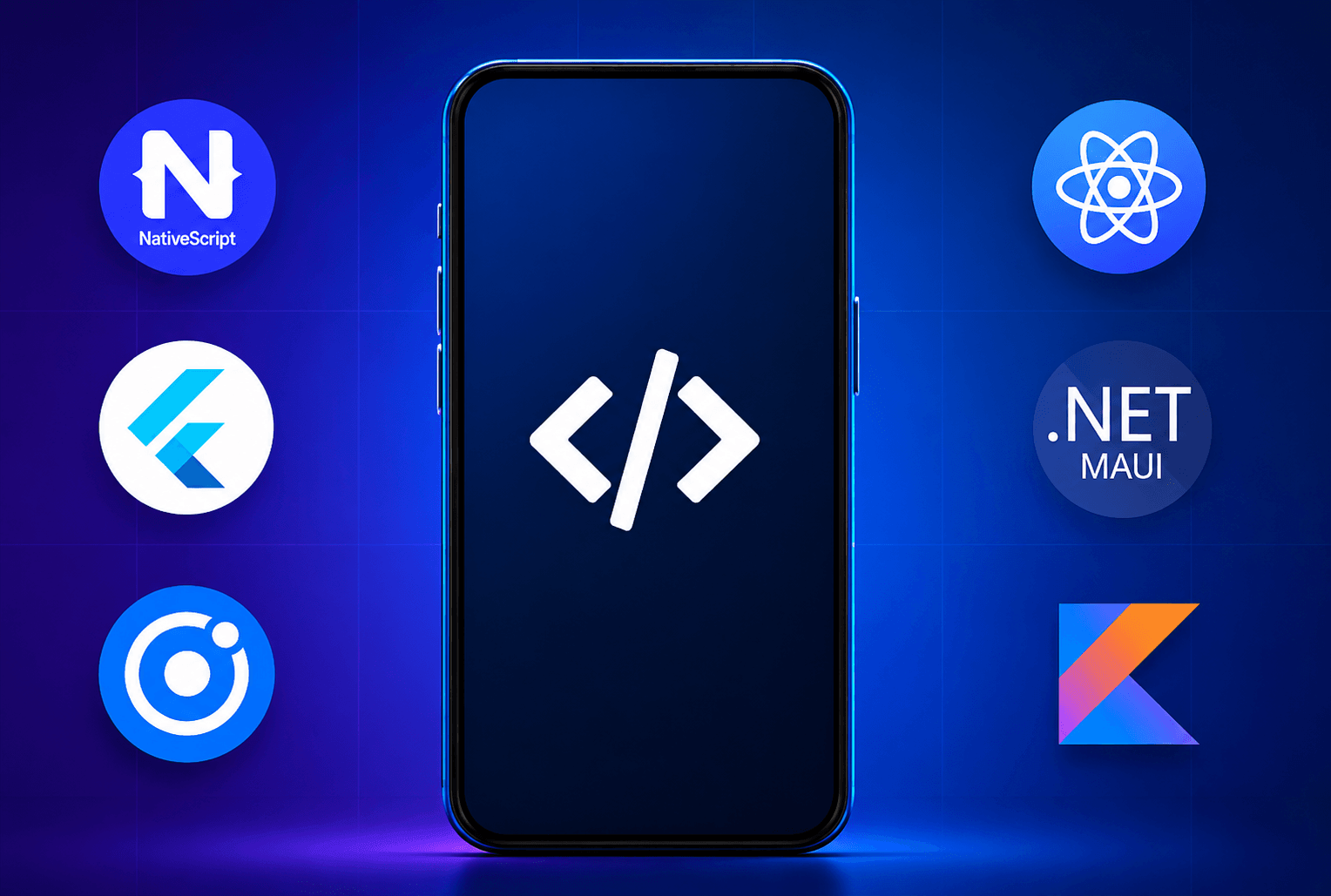
Cross platform frameworks sometimes simplify this alignment. Shared components allow designers to maintain consistent visual elements across platforms. Meanwhile, native development may require separate adjustments for each operating system.
Nevertheless, consistency does not mean uniformity. Designers should respect the unique interaction patterns of each platform. Mobile gestures, navigation styles, and interface conventions differ between devices.
By respecting these differences while maintaining visual coherence, digital creators can build experiences that feel both familiar and comfortable.
Ultimately, consistency strengthens user confidence and encourages long term engagement with digital platforms.
Strategic App Decisions and Long Term Digital Product Success
Choosing a development strategy represents more than a technical decision. It shapes how a digital product grows, evolves, and serves its audience over time.
Native development offers powerful performance and strong integration with device features. For applications that rely heavily on graphics, sensors, or advanced capabilities, this approach provides clear advantages. Users benefit from speed, responsiveness, and polished interaction.
Cross platform development, however, offers remarkable efficiency. Businesses can reach multiple audiences faster and maintain a unified codebase. For many companies launching their first app, this flexibility supports rapid growth and experimentation.
Therefore, the right approach depends on the product vision. Organizations should evaluate user expectations, technical complexity, and available resources before committing to a development strategy.
Guidance from experienced technology partners often helps clarify these choices. Companies working with Webdev200 gain insight into how development methods affect usability, scalability, and long term digital success.
Equally important, development decisions should align with broader digital strategies. Mobile apps frequently support websites, services, and customer engagement initiatives. When mobile platforms connect seamlessly with other digital tools, the entire ecosystem becomes stronger.
Additionally, businesses should plan for continuous improvement. User feedback, performance analytics, and evolving technology trends all influence future updates. A flexible development strategy ensures that products remain competitive as digital expectations change.
In the end, successful mobile products share a common trait. They deliver reliable experiences that users trust and enjoy. Whether built through native or cross platform development, the goal remains the same.
Create applications that provide value, solve problems, and strengthen relationships with users in a rapidly evolving digital world.