

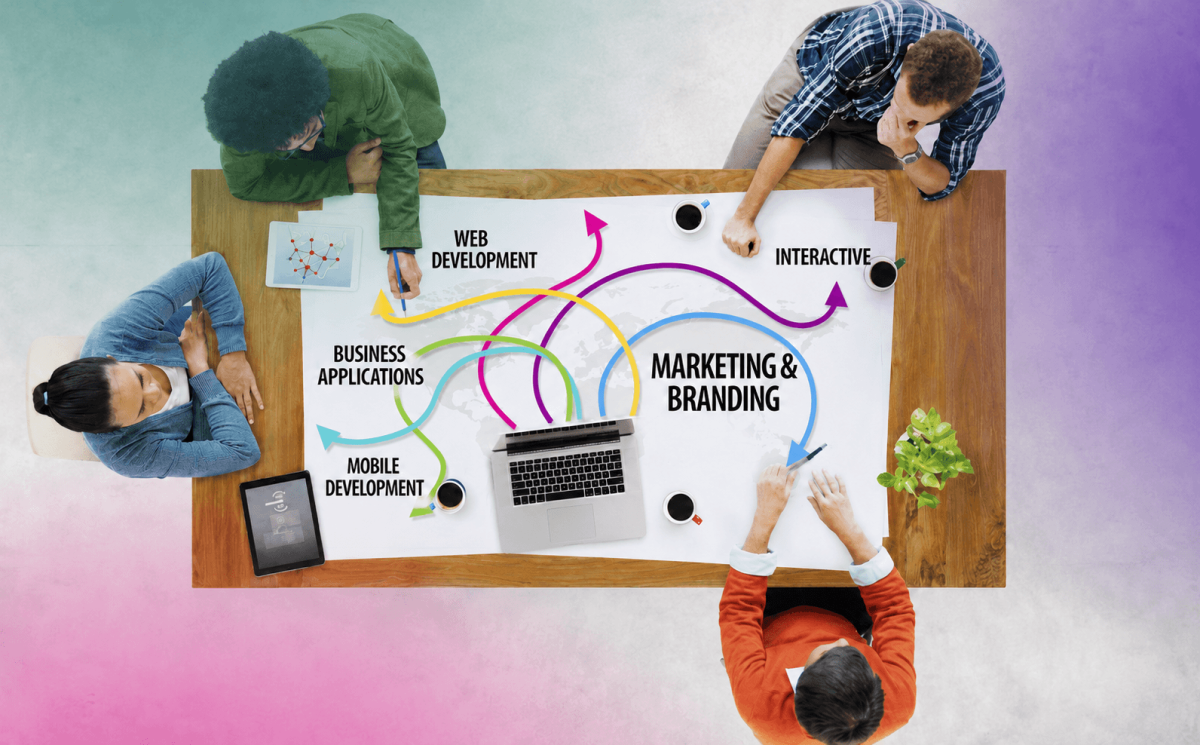
Clear Direction and Creative Insight for Meaningful Progress
Digital growth often begins with a question. A company may wonder why visitors leave a page, why a campaign gains little interest, or why its message feels unclear. Webdev200 helps turn those questions into practical next steps. Its support connects technical skill with creative thought, so each recommendation serves a real goal.
First, good digital work needs context. A team must understand the audience, offer, current challenges, and desired results. Otherwise, even a polished product may miss what people need. Careful discovery gives every choice a reason. It also helps the project stay focused as ideas develop.
Clear web design can guide attention and make information easier to follow. However, visual appeal is only one part of the answer. Pages must also support useful actions, such as learning about an offer, asking a question, or making contact. Therefore, content, layout, and function should work together from the start.
A thoughtful user experience adds another level of value. It considers what visitors expect, where they may feel unsure, and which steps require less effort. As a result, a business can remove avoidable friction before it harms engagement. Small improvements to labels, menus, forms, or feedback messages can create a noticeable difference.
Custom support matters because no two companies share the same goals. One may need a fresh public site, while another may need help with an existing digital product. Meanwhile, a growing team may want stronger campaign support and clearer brand rules. The right answer depends on the problem, available resources, and future plans.
By bringing questions, evidence, and skilled guidance together, a support partner makes progress easier to manage for everyone. Leaders can compare options with confidence. Teams can also understand why each choice matters. Consequently, digital work becomes a practical business effort rather than a collection of disconnected tasks.
Fresh Ideas and Engaging Moments for Stronger User Interests

People respond to digital products that feel clear, useful, and alive. They want to know where to look and what to do next. Yet engagement should never depend on noise or needless effects. Strong interactive experiences invite participation because each action supports the visitor’s purpose.
Interactive work can take many forms. A product may include a helpful calculator, a guided form, a product viewer, a simple quiz, or clear motion that confirms an action. However, each element needs a reason. If an effect slows the page or hides key details, it creates frustration instead of interest.
Good interaction begins with the audience. First, the team studies common goals and likely questions. Then, it maps the shortest sensible route to an answer. It also gives developers clear behavior to build and test.
Because people use many devices, responsive design plays a central role. Buttons need enough space on small screens. Text must remain easy to read. Likewise, menus and forms should work without awkward zooming or side scrolling.
Technical quality matters as well. An experienced web developer can keep motion smooth, protect performance, and ensure that controls respond as expected. In addition, testing can reveal keyboard issues, unclear messages, broken links, or slow media. Fixing those concerns supports access and keeps attention on the task. These checks help each feature work well for people.
Modern website development should also prepare for updates. Teams may change content, add an offer, or adjust a campaign after launch. Therefore, flexible parts and clear documentation can save time later.
Ultimately, meaningful interaction respects the visitor. It gives useful feedback, reduces uncertainty, and adds interest without getting in the way. When creative choices support simple actions, a digital product feels more inviting. More importantly, it helps users move from curiosity to informed action with greater ease.
Distinct Business Identity and Meaningful Market Recognition

A strong brand gives people a clear reason to remember a business. It explains what the company offers, who it serves, and why its approach matters. Therefore, marketing and branding should begin with honest answers rather than catchy lines alone. Clear positioning creates a base for campaigns that feel consistent and relevant.
The process starts with the audience and the business promise. Teams need to know which needs they address and which proof supports their claims. Next, they can shape key messages, visual choices, and content themes.
Thoughtful Website design can bring that identity into view. Color, type, imagery, spacing, and page order all influence how visitors understand a company. Still, design must support the message. A striking page cannot replace clear facts, useful content, or an offer that fits the audience.
Campaigns also need a clear purpose. One effort may introduce the brand, while another may invite inquiries or support a launch. As a result, the channel, message, and next action should match that aim. Consistent measurement can then show which ideas attract attention and which ones need revision.
Search visibility can support the same work. Ethical SEO connects useful pages with terms that reflect genuine interest. It also encourages clear topics, accurate titles, helpful descriptions, and sound technical basics. However, search tactics should not lead to weak claims or repeated text. People remain the main audience.
Over time, these choices strengthen a company’s online presence. Visitors encounter a recognizable message across the site, search results, and campaign content. This unity helps the business respond faster without losing its identity.
Brand authority grows through proof and steady delivery. Customer insight, honest messaging, creative direction, and review must support one another. When those parts align, campaigns feel more focused. The business also earns recognition through relevance, clarity, and consistent value.
Purposeful Digital Progress with Clear and Reliable Guidance
Digital growth becomes more realistic when every choice connects to a clear need. Engaging features can support attention, while strong positioning can make a business easier to understand. However, neither area works well in isolation. The product, message, and campaign must lead people toward the same useful outcome.
This alignment starts with clear questions. Who needs the offer? What information helps them decide? Which action should follow? In addition, teams should ask what evidence will show progress today.
Reliable technical planning supports that shared direction through stable functions and practical updates. Yet technology should remain easy for the business to manage. Clear tools, sound testing, and sensible documentation help teams maintain quality after launch. Regular review can then reveal new needs before they become larger problems.
The same care applies to page design decisions across important pages. Visitors should recognize the brand, find useful details, and understand the next step. Meanwhile, campaign messages should match the promises on the site. When those parts agree, people face less confusion and can judge the offer on clear facts.
Expert guidance also helps companies choose where to invest first. Some need better engagement on a key page. Others need a sharper message or a campaign with a clearer goal. Therefore, custom recommendations can protect time and budget by placing urgent work ahead of optional additions.
Webdev200 brings creative problem solving and technical support into one focused relationship. Whether a company needs stronger interaction, firmer positioning, or a custom digital solution, the work begins with its goals. From there, practical choices can support steady improvement and meaningful results.
Your next digital move should have a clear reason and a realistic plan. Share the question, challenge, or growth goal that matters now. For expert answers and custom support shaped around your business, contact us today.