

Customer Expectations Behind Each Creative Business Decision
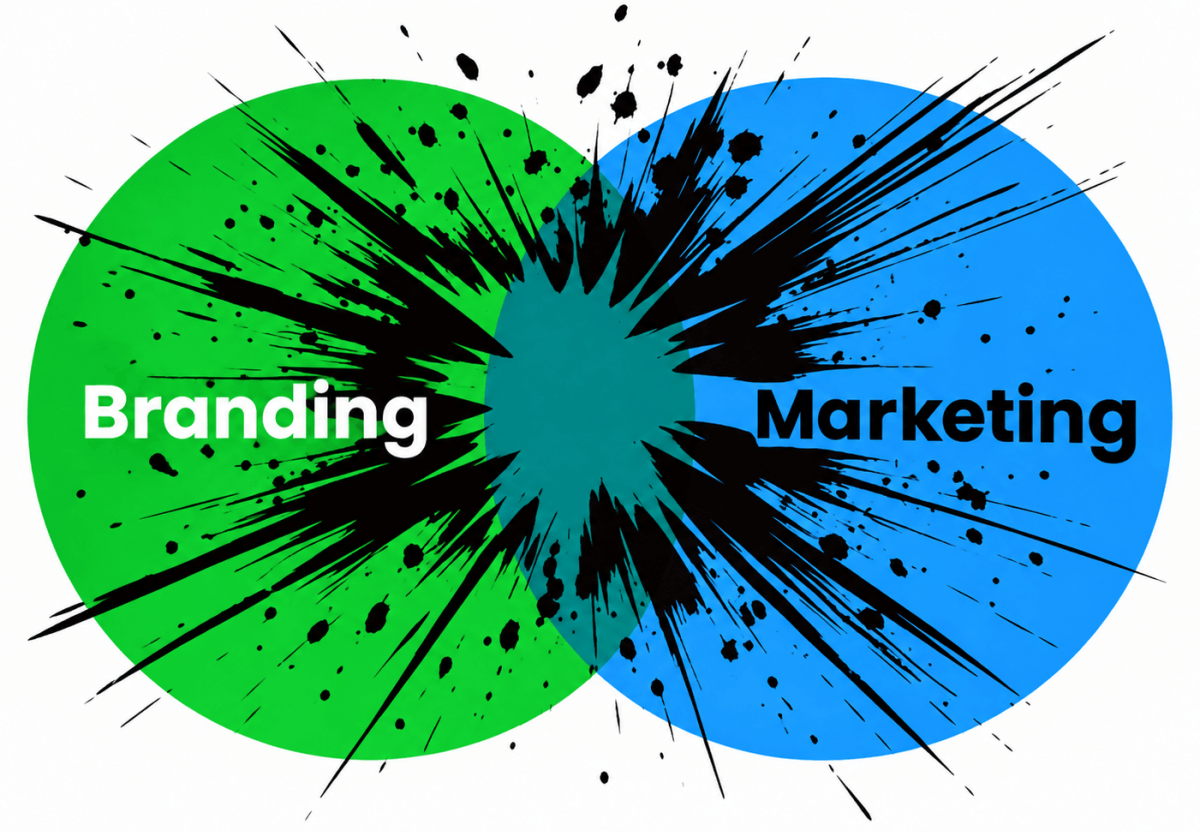
Marketing and branding meet whenever a customer notices a message and decides whether to believe it. An advertisement may win attention, but the business behind it must give that attention a reason to last. Therefore, a useful campaign needs a clear promise and an experience that supports it. Creative work has greater purpose when both point toward a customer need.
What happens when promotion attracts people but the brand leaves them unsure? A visitor might click an appealing offer, then find vague claims or an unrelated message on the next page. Consequently, the business can lose interest that it paid to create. The answer is to connect what the campaign says with what the customer sees and receives.
Professional services can help businesses examine those connections before producing more content. First, identify the audience, the problem, and the benefit the company can deliver. Then decide which message deserves the most attention. This gives creative decisions a reason beyond choosing colors or following a popular format.
The art of mixing these disciplines comes from judgment rather than a fixed formula. Some businesses need clearer recognition, while others need a stronger offer or a better explanation. Moreover, the same audience may need different information at different stages. Effective work reflects those differences while keeping the company’s central promise familiar.
Recognizable Promises Across Campaigns and Buyer Experiences
Branding shapes the identity and expectations people connect with a business. Marketing introduces offers, shares useful information, and invites a response. Although their tasks differ, they depend on each other during a buying decision. A recognizable identity helps people place a message, while relevant promotion gives them a reason to consider it.
Consider a fictional repair company that promises clear communication. Its campaign might explain how customers receive updates during a job. However, the booking page should also explain what happens after an inquiry and when someone will respond. Otherwise, the promise sounds appealing while the experience leaves the customer guessing.
That example shows why a logo cannot carry the whole brand. Copy, images, offers, and everyday interactions all help shape expectations. Likewise, a campaign cannot fix confusion about what a company does. Before increasing promotion, the team should agree on the value customers can reasonably expect.
Careful web design can make that value easier to see. For example, a page can place the main benefit beside an explanation of how the business delivers it. Then supporting details can answer questions about scope, fit, or next steps. Visual choices should guide attention toward useful information rather than compete with every sentence.

The strongest connection within Marketing & Branding is the agreement between a promise and its proof. A company that claims careful craftsmanship could show work samples and explain its review process. However, broad praise without evidence gives customers little to assess. Specific details help people judge whether the offer suits their needs.
A consistent online presence also requires flexibility. A short social post may introduce an idea, while a website page explains the details. Nevertheless, both should describe the same offer without changing its meaning. Repeating identical copy everywhere can miss the purpose of each channel, even when the colors and logo match.
Good user experience carries the promise into action. If a campaign promotes an easy consultation, the inquiry form should ask for relevant details and explain the next step. Conversely, a confusing form can weaken that claim. The task itself becomes part of how customers judge the business.
Meanwhile, responsive design helps content adapt to different screen sizes. A clear desktop page still needs readable text, usable controls, and sensible spacing on a phone. Therefore, teams should review campaign pages across devices before directing visitors to them. The same offer should remain understandable on any device.
Maximum impact should describe a goal, not a guaranteed outcome. Businesses still face competition, budget limits, demand, and customer preferences. However, they can reduce avoidable confusion by making promotion and identity work together. This creates a more useful basis for testing what attracts attention and what earns a response.
Practical Project Choices for Credible Business Presentation
Webdev200‘s published offering connects brand strategy with consistent messaging across platforms. Its service page also lists marketing strategy, brand identity, logo work, and search optimization. These capabilities fit businesses that need their public message and digital presentation to work together. The right project scope depends on the company’s goals and the gaps it needs to address.
A useful project conversation starts with evidence from the business. Bring examples of campaign copy, website pages, customer questions, and work. In addition, explain which audience matters most and what action you want people to take. This helps the team assess the problem instead of designing around an unclear request.

For website development, the business should define what the page needs to support. That might involve an inquiry, a booking request, or access to product information. Next, connect each required function with the promise made in the campaign. A feature has more value when it helps visitors complete the task that brought them there.
An experienced web developer can discuss how technical choices affect that task. For instance, a form may need to send information to the right team or display a confirmation. However, the business must also decide who follows up and what response to promise. Development and customer handling need agreement so the message stays accurate after submission.
Thoughtful SEO belongs in this discussion because search visitors also arrive with expectations. Page titles and descriptions should match the information people find after clicking. Furthermore, content should answer the relevant question rather than repeat phrases without adding value. Search visibility supports the brand best when the page delivers a useful, honest answer.
Before approving creative work, compare the campaign, destination page, and follow up message together. Check whether they describe the same offer and use claims the company can support. Also, confirm who owns future updates when prices, availability, or processes change. Those practical decisions help the business maintain consistency after the launch.
Measurable Progress and Lasting Value Beyond Early Attention
Better results begin with a definition of success that goes beyond attention. A business might want more suitable inquiries, better understanding of an offer, or fewer questions caused by unclear information. Therefore, choose measures that reflect those aims. A high click count matters less when visitors misunderstand what the company provides.
Next, review recognition and response as related but different goals. People may remember a business without needing its offer today, while a timely promotion may prompt action. Accordingly, assess campaigns over a period that suits the buying decision. Avoid treating every short term change as proof that the brand needs a new direction.
When testing a message, change an element and record what you expect to learn. For example, compare two explanations of the same benefit while keeping the offer consistent. Then review the quality of responses alongside their number. This approach can reveal useful improvements without making the business unrecognizable between campaigns.
The art lies in giving each creative choice a real business purpose and each business promises a credible expression. Clear identity, relevant promotion, and useful digital tasks can support that goal together. If your message feels disconnected from the experience customers receive, contact us to discuss your priorities. Start with the audience and the problem, then shape work around what matters most.