

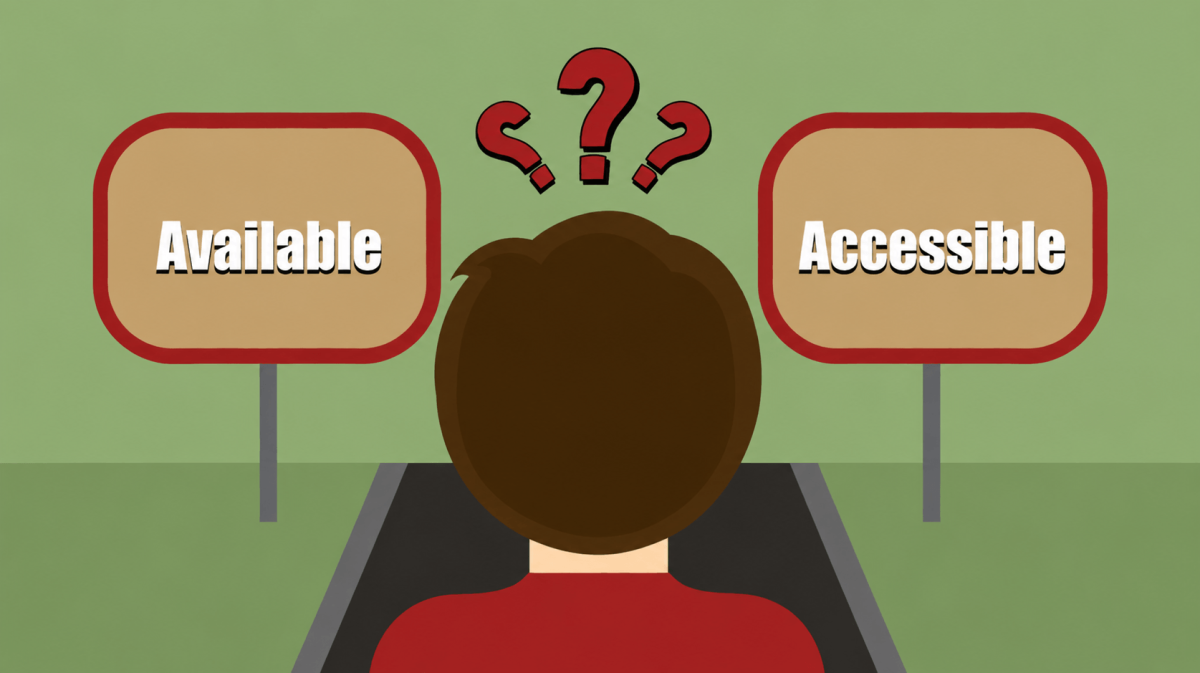
Digital Presence Without Meaningful Access
Many businesses believe they have solved their digital challenges once they launch a website, create social media profiles, or establish an online presence. While these actions certainly improve visibility, they do not automatically create accessibility. There is a significant difference between being available and being accessible, and understanding that difference often determines how effectively a business connects with its audience.
Availability simply means a customer can find you. Accessibility means a customer can easily interact with you, communicate with you, and accomplish what they need without frustration. Although these concepts may sound similar, they produce very different outcomes.
Consumers today expect convenience. They want information immediately. They want simple navigation. They want fast responses. Moreover, they expect digital experiences to work consistently regardless of the device they use. Therefore, businesses must move beyond simply existing online.
Webdev200 helps organizations bridge this gap by focusing on experiences that support real user needs. Modern customers no longer evaluate businesses solely by products or pricing. Instead, they often judge organizations based on how easily they can access information and complete actions online.
Consider a customer searching for answers late in the evening. If a website loads slowly, presents confusing navigation, or requires unnecessary steps, that customer may leave before completing a purchase or inquiry. Even though the business remains technically available, it is not truly accessible.
Accessibility also affects trust. Users naturally feel more confident when they can quickly locate information and navigate digital platforms without difficulty. Consequently, businesses that prioritize accessibility often experience stronger engagement and higher satisfaction.
Technology continues advancing rapidly. However, success rarely comes from adding more features alone. Instead, success comes from creating experiences that feel simple, intuitive, and useful. The organizations that understand this distinction often develop stronger relationships with their customers.
Being available is only the starting point. Accessibility is where meaningful connections begin. As digital expectations continue evolving, businesses that focus on accessibility position themselves to create more valuable and lasting customer experiences.
Interactive Experiences and the Value of Meaningful Engagement
Accessibility often depends on how users interact with a digital environment. A website may contain excellent information, yet visitors can still struggle if the experience feels difficult or disconnected. Therefore, engagement plays a critical role in creating accessibility.

This is where modern interactive solutions create significant value. Interactive experiences encourage participation rather than passive observation. Instead of simply presenting information, businesses provide opportunities for users to engage, explore, and complete actions more efficiently.
Consumers increasingly expect these experiences. They want immediate answers. They want clear navigation. They want tools that simplify decision-making. As a result, businesses that prioritize interaction often create stronger user relationships.
The importance of customer engagement continues growing because users now have countless alternatives available. If one experience feels difficult, they can quickly move to another option. Therefore, creating intuitive interactions becomes a competitive advantage.
Interactive experiences support accessibility by reducing friction. Visitors spend less time searching and more time accomplishing their goals. This improvement benefits both businesses and customers.
Many organizations also rely on services designed to improve user interactions across multiple channels. These solutions help create consistency while making digital experiences easier to navigate. Consequently, businesses can better meet evolving customer expectations.
A strong emphasis on user experience also contributes directly to accessibility. When visitors understand where to click, how to find information, and how to complete actions, they feel more confident using the platform. This confidence often translates into stronger engagement and improved outcomes.
Additionally, businesses increasingly use business applications to streamline interactions and support customer needs. These tools can simplify communication, improve information access, and create more efficient workflows. Therefore, they contribute to a broader accessibility strategy.
Interactive experiences do more than capture attention. They help remove obstacles that prevent meaningful engagement. When businesses focus on creating useful interactions, they move beyond simple availability and begin delivering genuine accessibility.
Ultimately, customers remember how an experience feels. If interactions are smooth, intuitive, and helpful, they are more likely to return. This is why interactive design continues playing such an important role in modern digital strategies.
Mobile Accessibility and Everyday Digital Expectations
Modern accessibility cannot exist without considering mobile users. Consumer behavior has changed dramatically over the last decade. People no longer wait until they reach a desktop computer to browse, communicate, or make decisions. Instead, they expect immediate access from wherever they happen to be.
This shift has made mobile development one of the most important components of digital accessibility. Businesses must ensure their platforms function effectively across different devices, screen sizes, and user environments. Otherwise, they risk creating barriers that limit engagement.
Mobile accessibility goes beyond responsive design. It involves creating experiences that feel natural on smartphones and tablets. Navigation should remain simple. Information should remain easy to locate. Actions should remain easy to complete. Therefore, successful mobile experiences focus on convenience as much as functionality.
The growth of mobile apps reflects this broader trend. Consumers increasingly prefer tools that provide quick access, personalized experiences, and streamlined interactions. Consequently, businesses continue investing in mobile solutions that support customer expectations.
Accessibility also influences business outcomes. Customers who encounter fewer obstacles often spend more time engaging with content, products, and services. As a result, businesses gain additional opportunities to build relationships and support growth.

Strong digital accessibility benefits organizations of every size. It helps remove limitations that might otherwise prevent users from engaging fully with a platform. Therefore, accessibility becomes both a user-focused objective and a business advantage.
Furthermore, mobile accessibility supports broader goals related to digital growth. As customer behavior evolves, businesses need flexible solutions capable of adapting to changing expectations. Mobile experiences help create that flexibility by extending access beyond traditional environments.
Webdev200 understands that accessibility requires more than visibility. Businesses must create experiences that support users wherever they are and however they choose to interact. This commitment helps organizations move beyond basic availability and toward meaningful engagement.
The difference between being available and being accessible often comes down to experience. Interactive tools help users engage. Mobile development helps users connect anywhere. Together, they create digital environments that feel approachable, useful, and effective.
As expectations continue changing, businesses that prioritize accessibility will remain better positioned to serve their audiences. Accessibility is no longer an optional feature. Instead, it has become an essential part of creating lasting digital success.