


The Rising Expectations of Digital Intelligence Today
Digital expectations continue to grow, and the demand for smarter platforms keeps increasing. Businesses now require systems that do more than function. They must adapt, respond, and improve over time. Because of this shift, the focus has moved toward stronger integration, faster response, and seamless performance.
At the same time, users expect simplicity. They want platforms that feel natural, fast, and easy to use. Therefore, developers and businesses must balance power with usability. This is where modern services begin to shape the direction of innovation.
As platforms evolve, they become more connected. Systems now communicate across multiple environments, allowing businesses to operate more efficiently. In addition, data plays a major role. It helps guide decisions, improve performance, and enhance user engagement.
Because of these changes, intelligent platforms are no longer optional. They are now essential for staying competitive. Businesses that adapt quickly gain a strong advantage. Meanwhile, those that delay risk falling behind.
This shift also changes how solutions are built. Instead of isolated tools, companies now rely on connected systems that support long term growth. As a result, scalability and flexibility become key priorities.
Looking ahead, the next phase will not only focus on capability. It will focus on experience. Platforms must deliver results while remaining simple and intuitive. That balance defines the future of digital systems.
Modern Digital Solutions Through Web Development Innovation
As expectations grow, technology must evolve to meet them. One of the most important drivers behind this change is web development. It forms the backbone of many modern platforms, allowing systems to operate smoothly across devices and environments.
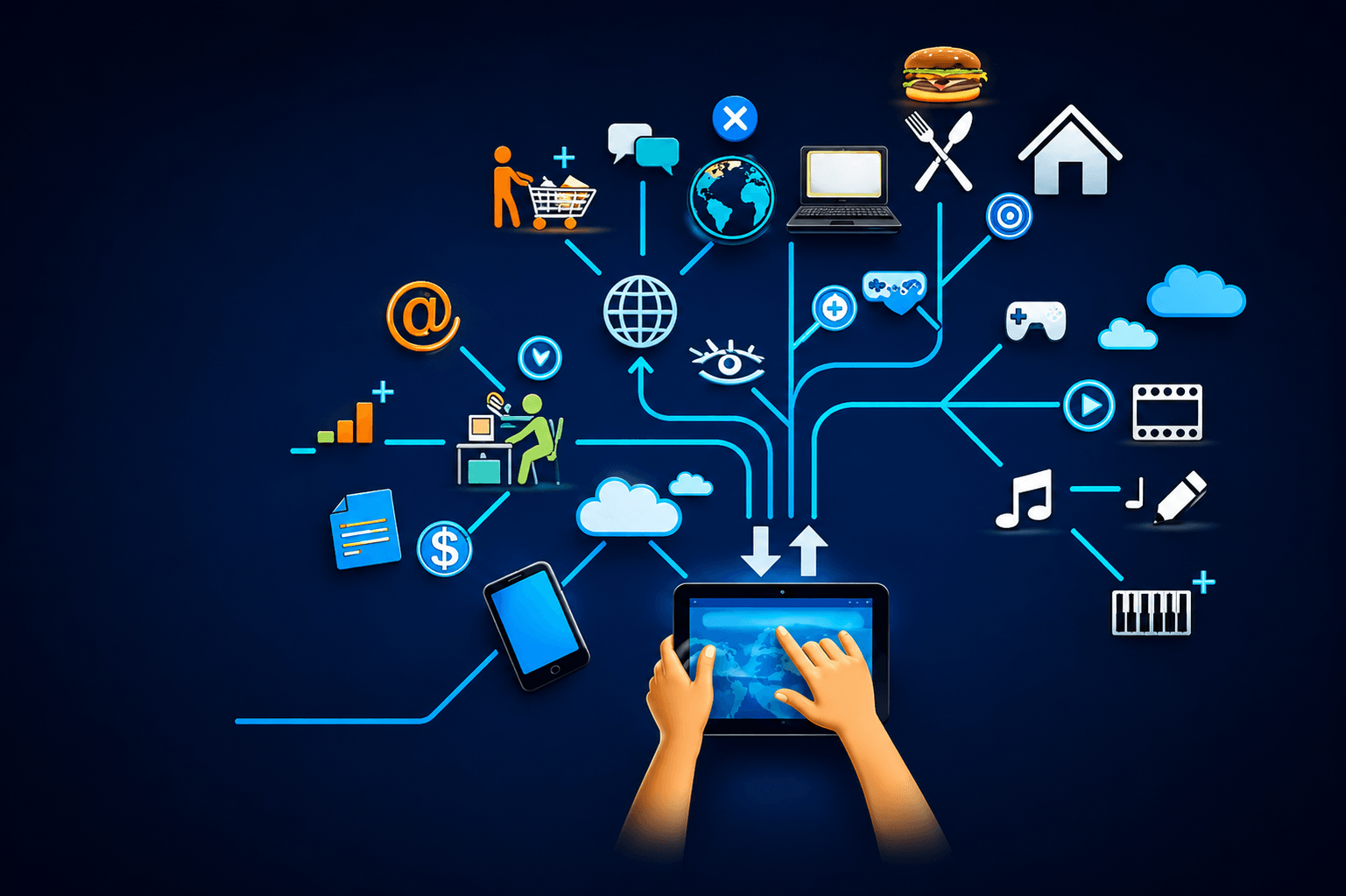
Today, development is no longer just about building a website. It focuses on creating connected ecosystems. These ecosystems allow businesses to manage operations, engage users, and scale efficiently. Because of this, developers must think beyond basic functionality.
At the same time, the importance of user experience continues to rise. Platforms must not only work well but also feel effortless. Users expect fast loading times, clear navigation, and smooth interactions. Therefore, design and development must work together.
In addition, responsive design plays a key role. Users access platforms from different devices, so systems must adjust without losing performance. This ensures consistency, which builds trust and keeps users engaged.
Another critical element is web design. Visual structure influences how users interact with a platform. Clean layouts, clear messaging, and intuitive flow all contribute to a better experience.
Meanwhile, SEO supports visibility. Even the most advanced platform needs to be discoverable. Optimized content and structure help businesses reach their audience more effectively.
Together, these elements create a strong digital foundation. They allow platforms to grow, adapt, and deliver value consistently. As a result, businesses can focus on innovation while maintaining a reliable system.
Intelligent Systems Expansion Through Business Applications
As platforms become more advanced, businesses rely on deeper functionality. This is where business applications play a central role. They allow organizations to manage workflows, track performance, and automate processes.
These systems reduce manual effort and improve accuracy. As a result, teams can focus on higher level tasks instead of repetitive work. In addition, automation helps maintain consistency across operations.
At the same time, integration becomes essential. Systems must connect with existing tools and platforms. This ensures that data flows smoothly and supports better decision making. Without integration, even the most advanced tools lose effectiveness.
Another important factor is scalability. Businesses grow, and their systems must grow with them. Therefore, applications need to handle increased demand without losing performance. This flexibility ensures long term usability.
In addition, mobile development supports accessibility. Teams and users expect access from anywhere. Mobile solutions provide flexibility, allowing systems to remain active beyond traditional environments.
As digital environments expand, maintaining a strong online presence becomes more important. Businesses must ensure that their platforms remain visible and accessible. This supports growth and strengthens engagement.
Through these advancements, intelligent systems continue to evolve. They become more efficient, more connected, and more adaptable. As a result, businesses gain the ability to respond quickly and operate with confidence.
Strategic Direction and Future Growth With WebDev200
As technology continues to evolve, businesses need reliable partners to guide them forward. This is where WebDev200 plays a key role. By focusing on scalable and adaptable solutions, it supports businesses in navigating the next phase of digital transformation.
Modern platforms require a balance between performance and simplicity. Therefore, solutions must be designed with both in mind. By aligning technology with business goals, systems become more effective and easier to manage.
At the same time, future growth depends on flexibility. Systems must adapt to changing demands without requiring constant rebuilding. This allows businesses to remain competitive while reducing long term costs.
Another important aspect is innovation. As new technologies emerge, platforms must integrate them smoothly. This ensures that businesses stay current without disrupting existing operations.

In addition, collaboration plays a major role. Teams must work together to create systems that meet real needs. This includes developers, designers, and business leaders. When aligned, they produce stronger outcomes.
As we move forward, intelligent platforms will continue to expand. They will become more responsive, more connected, and more efficient. Businesses that embrace this shift will gain a clear advantage.
Through strategic planning and execution, the next phase becomes an opportunity rather than a challenge. With the right approach, growth becomes sustainable and scalable.
Sustained Digital Advantage and Future Ready Connections Ahead
Looking ahead, the focus remains on building systems that support long term success. Businesses must think beyond immediate needs and consider how their platforms will evolve over time.
Consistency plays a major role in this process. Systems must perform reliably across different environments and conditions. This ensures that users can depend on them at all times. In addition, reliability builds trust, which strengthens engagement.
At the same time, adaptability remains essential. Markets change, technologies evolve, and user expectations continue to grow. Therefore, platforms must remain flexible enough to adjust without losing performance.
Another key factor is efficiency. Businesses need systems that streamline operations and reduce unnecessary complexity. This allows teams to focus on growth instead of maintenance.
As digital environments expand, the need for strong connections becomes more important. Platforms must integrate smoothly with other tools and systems. This creates a unified experience that supports both users and businesses.
The next phase is not just about technology. It is about creating meaningful digital experiences that support growth and innovation. Businesses that invest in this approach position themselves for long term success.
Connect with WebDev200 today to explore how intelligent platforms can support your next phase of growth