

Connected Digital Spaces Built with Webdev200
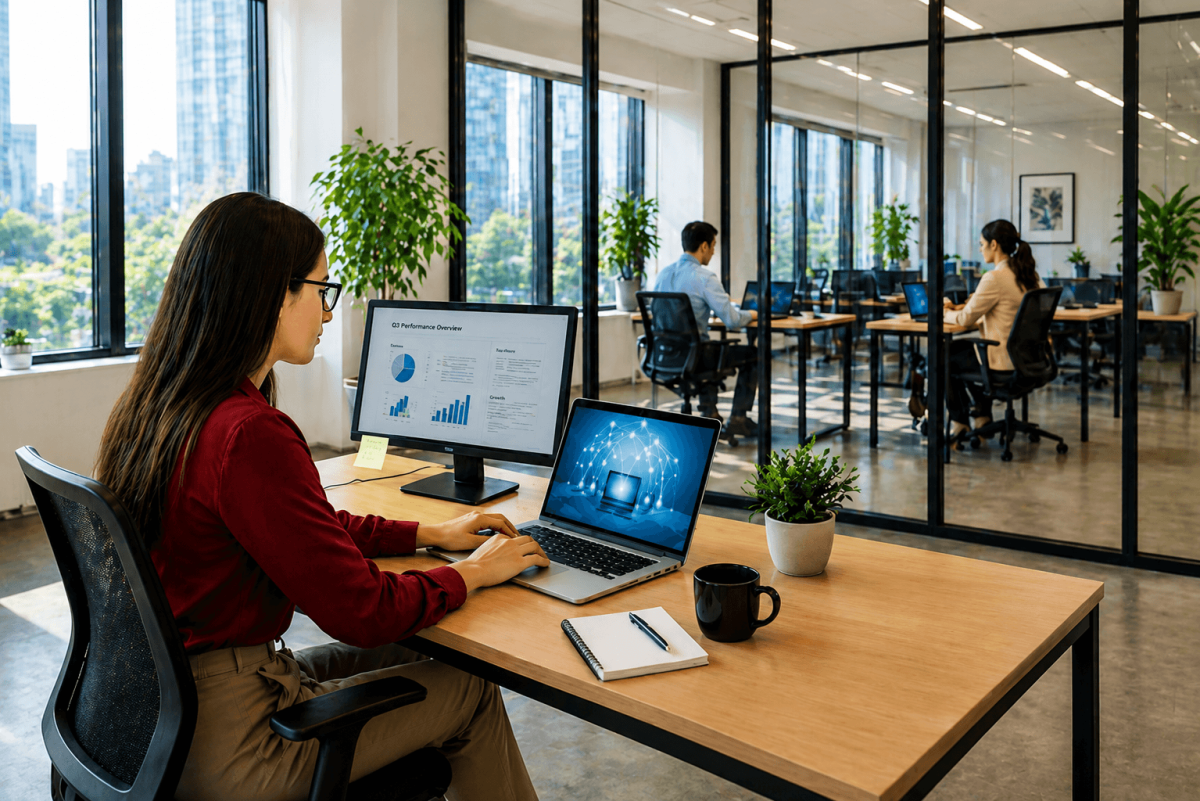
The way people interact with digital platforms has changed. Instead of navigating multiple websites or tools separately, users now expect everything to be accessible in one place. This shift has led to the rise of more connected and streamlined digital environments.
With Webdev200, the focus is on creating these unified spaces where different functions come together naturally. Rather than building isolated systems, the approach centers on developing platforms that feel cohesive and easy to use. This creates a smoother experience for users who rely on multiple tools throughout the day.
At the center of this approach are modern services designed to simplify access. Whether it involves organizing data, managing accounts, or connecting systems, the goal is to reduce complexity. When everything is structured properly, users can move through a platform without unnecessary steps.
Another important element is consistency. A well-built system ensures that features behave predictably across different sections. This helps users feel more comfortable navigating the platform, especially when dealing with complex tasks or large amounts of information.
Today’s centralized platforms are also designed with flexibility in mind. They adapt to different devices and environments, ensuring that users can access the same tools whether they are on a desktop or mobile device. This level of accessibility is essential in modern digital use.
By bringing everything into one space, these systems create a more efficient and organized experience. Instead of switching between tools, users interact with a single environment that supports their needs from start to finish.
Understanding What a Web Portal Does in Real Use
A web portal is a platform that acts as a central access point for different tools, data, and services. Instead of functioning like a traditional website, it provides a structured environment where users can log in and interact with multiple features in one place.
In real-world use, web portals are often seen in dashboards, account systems, and service platforms. For example, a user might log into a portal to manage information, track activity, or access specific resources. These systems are designed to make complex tasks more manageable.
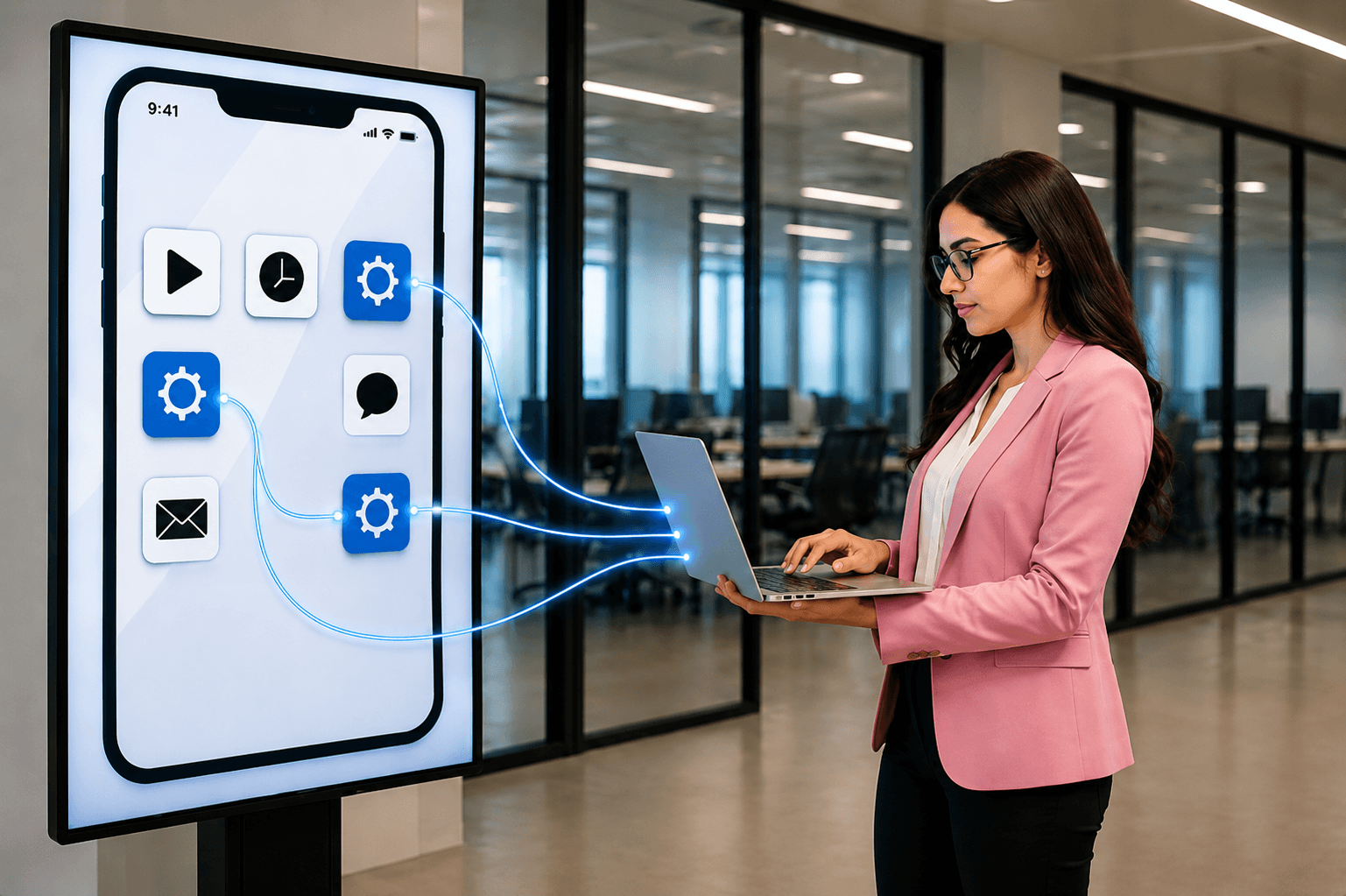
This is where mobile development becomes especially important. As more users rely on mobile devices, web portals must be optimized for smaller screens without losing functionality. A well-designed portal ensures that users can access everything they need regardless of the device they are using.
Another defining feature is personalization. Web portals often display content based on user roles or preferences. This creates a tailored experience that feels relevant and efficient. Instead of searching through unrelated information, users are presented with what they need immediately.
Integration also plays a key role. A portal may connect to multiple systems, allowing users to access different tools without leaving the platform. This reduces friction and improves workflow, especially in environments that require constant interaction with data.
In addition, portals support real-time updates. Information can change instantly, ensuring that users always have access to current data. This is essential for maintaining accuracy and reliability.
Understanding how web portals function reveals their value. They are not just websites. They are structured environments designed to simplify access and improve efficiency.
How Interactive Systems Improve Portal Experiences
The effectiveness of a web portal depends on how users interact with it. A platform may have all the necessary features, but without smooth interaction, it becomes difficult to use. This is where interactive design plays a critical role.

Interactive systems focus on how users engage with a platform. This includes navigation, feedback, and responsiveness. Every action, from clicking a button to loading a page, should feel immediate and intuitive. When these interactions are well-designed, the portal becomes easier to use.
For example, user dashboards often rely on interactive elements to display information clearly. Instead of presenting static data, they allow users to explore, filter, and adjust what they see. This creates a more dynamic experience that adapts to individual needs.
Another important factor is flow. A well-designed portal guides users from one step to another without confusion. Clear navigation and logical structure help users complete tasks efficiently. This reduces frustration and improves overall satisfaction.
Performance also contributes to interaction. Fast response times and smooth transitions make the experience feel reliable. Delays or errors can disrupt the flow and reduce confidence in the system.
In addition, interactive systems support engagement. When users can actively participate in the platform, they are more likely to return. This is especially important for portals that are used regularly.
By focusing on interaction, web portals become more than just access points. They become environments that support meaningful and efficient digital experiences.
What Web Portals Make Possible Moving Forward
Web portals have reshaped how digital systems are used in everyday life. By bringing multiple tools into one place, they simplify access and create more organized workflows. This makes them valuable for both individuals and businesses.
For organizations, portals improve efficiency. Employees can access resources, manage tasks, and communicate within a single platform. This reduces time spent switching between systems and allows for better focus.
For users, portals create convenience. Everything is accessible from one location, making it easier to complete tasks and manage information. This streamlined approach improves the overall experience.
There is also room for growth. Web portals can expand to include new features and integrations as needs change. This makes them adaptable to evolving digital environments.
At the same time, they create consistency. A unified platform ensures that users have a familiar experience across different functions. This reduces confusion and improves usability.
Ultimately, web portals represent a shift toward more connected digital systems. They bring structure to complex processes and make everyday interactions more efficient.
If you are ready to create a platform that brings everything together, contact us today and connect with Webdev200 to explore how tailored services can support your digital goals through smarter, more connected systems.