

Early Software Adoption And Growing Operational Demands
Businesses often begin with simple software tools. These tools help manage daily tasks, communication, and data organization. At the early stage of a company, standard software usually performs well because the workflow remains straightforward and predictable.
However, growth introduces complexity. Teams expand, data volume increases, and processes become more specialized. As a result, companies begin noticing limitations within the tools they originally adopted.
Many organizations initially rely on standard applications such as accounting platforms, project trackers, or simple customer management tools. While these programs support early operations, they rarely adapt well to expanding requirements. For instance, a small team may manage customer records easily in a basic system. Yet once the company scales, that same system may slow operations or restrict customization.
At this stage, companies start exploring alternatives such as web development solutions designed specifically for their workflow. Custom platforms allow businesses to automate tasks, organize information more effectively, and integrate different tools into one environment.
Because growth brings new challenges, companies must evaluate whether their current systems still support long term progress. Some tools may lack advanced reporting. Others may struggle with large data volumes. Meanwhile, certain platforms may fail to integrate with newer technologies.
These limitations create operational friction. Employees often spend additional time transferring information between systems or correcting manual errors. Consequently, productivity declines even as the business continues expanding.
Therefore, organizations increasingly turn to specialized providers such as WebDev200 to design digital tools that match real operational needs.
When standard software stops supporting business growth, the issue rarely lies with the business itself. Instead, the tools simply no longer match the scale or complexity of the organization.
System Limitations And Workflow Friction Across Expanding Teams
As companies grow, operational workflows change dramatically. What once worked for a small team often becomes inefficient when dozens of employees interact with the same systems.
One of the most common challenges involves workflow fragmentation. Standard software typically separates tasks into isolated modules. While this design may work for simple environments, it becomes problematic when departments require constant information exchange.
For example, sales teams may record customer information in one application. Meanwhile, marketing departments track campaign data in another. At the same time, support teams rely on a different platform entirely. When systems fail to communicate effectively, employees spend hours transferring information manually.

Businesses often attempt to compensate for these limitations by creating spreadsheets or additional documentation. Although this approach temporarily resolves issues, it eventually increases administrative workload.
This situation frequently signals the need for business applications designed specifically for the organization. Custom applications connect departments through shared databases and integrated workflows. Consequently, information moves automatically between teams without requiring manual updates.
In addition, customized systems allow organizations to reflect their unique operations. Instead of adapting business processes to match rigid software rules, companies build systems that support their existing workflows.
Another challenge arises when companies expand customer services. Businesses aiming to strengthen their online presence often discover that generic platforms cannot support advanced customer interactions. For instance, integrated dashboards, automated notifications, and customer portals may require functionality beyond the limits of standard software.
As digital operations become central to business performance, companies must ensure that their internal tools evolve accordingly. Otherwise, operational inefficiencies accumulate and slow organizational progress.
Therefore, recognizing these limitations early allows businesses to implement smarter digital solutions before workflow friction disrupts productivity.
Custom Digital Systems And Scalable Technology Foundations
Standard software platforms usually target broad markets. Developers design them to serve thousands of businesses with similar needs. While this approach allows quick deployment, it rarely accounts for specialized operational requirements.
As companies grow, the need for flexible digital systems becomes more apparent. Businesses often require features that standard platforms cannot provide. For instance, a company may need automated data routing between departments or custom dashboards tailored to internal performance metrics.
At this stage, organizations begin considering scalable technology solutions. Instead of forcing teams to adapt to rigid software, businesses develop digital environments that evolve alongside their operations.
ces must remain intuitive and efficient. Well designed systems reduce training time and allow staff to complete tasks more quickly.
Custom digital systems also support advanced automation. For example, automated notifications can alert managers when new orders arrive. Similarly, integrated analytics tools help organizations monitor performance in real time.
Moreover, scalable technology supports long term business expansion. When a company introduces new products or services, adaptable systems allow developers to add functionality without replacing the entire platform.
Consequently, custom systems do not simply replace standard software. Instead, they provide a flexible technological foundation capable of supporting future growth.
Adaptive Interfaces And Modern Digital Interaction Standards
As businesses expand their digital operations, expectations for technology performance continue rising. Employees require faster systems, customers expect smoother interactions, and organizations demand accurate data insights.
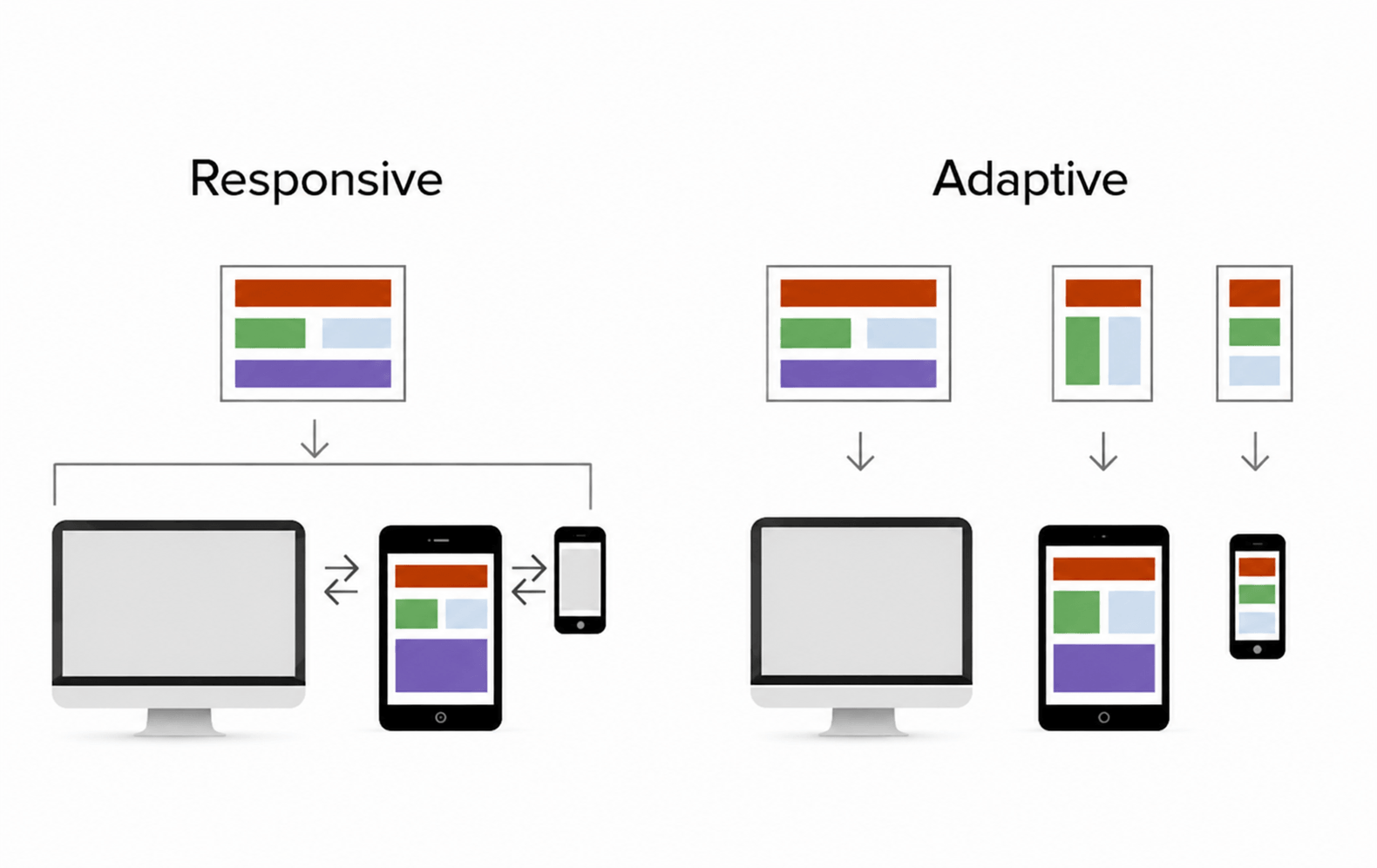
Standard software often struggles to meet these expectations because it cannot adapt to evolving digital standards. For example, many older platforms lack compatibility with modern devices or fail to adjust automatically across different screen sizes.
To address these challenges, organizations increasingly prioritize responsive design within their digital systems. Responsive platforms ensure that applications function smoothly across desktops, tablets, and mobile devices. Consequently, employees can access operational tools from any location without encountering usability problems.
At the same time, companies recognize the importance of discoverability and digital visibility. Many organizations expand their digital infrastructure to support stronger search performance and broader customer engagement. This goal often involves integrating SEO capabilities directly into digital platforms.
In addition, businesses frequently collaborate with experienced professionals such as a web developer who understands how to connect operational systems with public digital interfaces. These specialists design platforms that support both internal management and customer interaction.
Modern digital environments also prioritize performance monitoring. Companies analyze user behavior, system activity, and operational data to improve efficiency continually.
Therefore, technology must evolve alongside organizational needs. Systems that once handled basic tasks must now support advanced digital interactions and scalable performance.
Businesses that invest in adaptable technology gain a strong competitive advantage because their tools continue supporting growth rather than restricting it.
Strategic Technology Evolution And Digital Transformation Plans
When companies reach a stage where standard software no longer supports operations, they face a critical decision. They can continue working around system limitations, or they can invest in technology that aligns with future goals.
Organizations that choose modernization often pursue digital transformation strategies. These strategies focus on replacing fragmented tools with integrated digital environments that support efficiency and innovation.
For many businesses, this transformation begins with improving web design and expanding internal digital capabilities. Modern systems combine external customer interfaces with internal management platforms, allowing organizations to manage operations more effectively.
At the same time, companies strengthen their website development strategies to ensure that public facing platforms integrate seamlessly with internal databases. This integration helps organizations gather customer insights while improving operational responsiveness.
Digital transformation also encourages collaboration between departments. When systems share information automatically, teams can make faster decisions and respond more effectively to market changes.
Additionally, modern digital infrastructure reduces operational risk. Automated systems reduce human error while improving data accuracy. As a result, businesses gain clearer insights into performance metrics and operational trends.
Companies working with technology partners such as WebDev200 often discover that tailored digital systems dramatically improve efficiency. Instead of forcing employees to work around limitations, the technology supports the way the organization actually operates.
Ultimately, the moment when standard software stops supporting business growth becomes an opportunity rather than a setback. With the right technology strategy, businesses can transform their operations and build digital environments designed for long term success.